📍Destinations — Bodrum
Pick a destination for full details
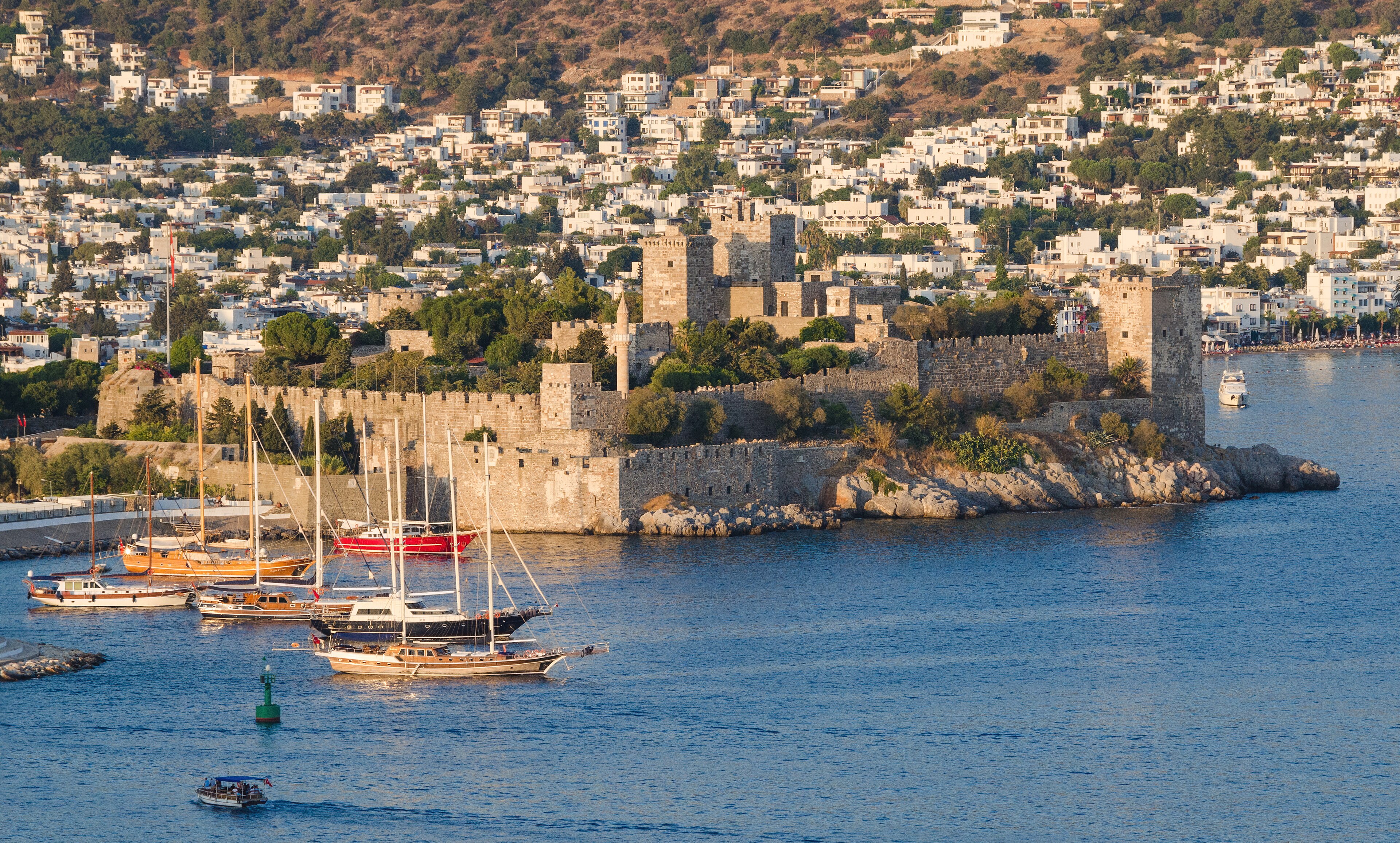
Bodrum Castle
HistoryThe Castle of St Peter is Bodrum's defining landmark, a superbly preserved fortress begun by the Knights Hospitaller of Rhodes in 1402 on a rocky promontory that separates the town's two harbors. As you climb through its gates and towers, each named for a different nation of knights (English, French, German, Italian), you pass coats of arms, cannon, a chapel and terraced gardens planted with Mediterranean species, and the views back over the marina and white town are superb. The knights partly built it from cut stone salvaged from the ruined Mausoleum, so the castle is literally made from a Wonder of the World. Inside it houses the celebrated Museum of Underwater Archaeology, so one visit combines fortress, gardens and world-class exhibits. Allow at least a couple of hours, as the route is steep and cobbled with plenty of steps. It anchors the whole waterfront and is floodlit beautifully after dark.
Museum of Underwater Archaeology
HistoryHoused inside Bodrum Castle, this is one of the most important museums of underwater archaeology in the world, displaying treasures recovered from ancient shipwrecks along the Turkish coast. The star exhibit is the Uluburun wreck, a Bronze Age trading ship that sank around the 14th century BC carrying copper and tin ingots, glass, ivory and gold, painstakingly reconstructed here to show how Mediterranean trade worked more than 3,000 years ago. Other halls include the Glass Wreck, a superb collection of ancient amphorae, and, in a separate tower, the poignant tomb and reconstructed face of the Carian Princess. The exhibits are spread across the castle's towers and courtyards, so you tour the fortress and the museum as one. Some halls keep their own opening hours and may rotate, so check what is open when you arrive. For anyone drawn to ancient history, this collection alone justifies the trip to Bodrum.
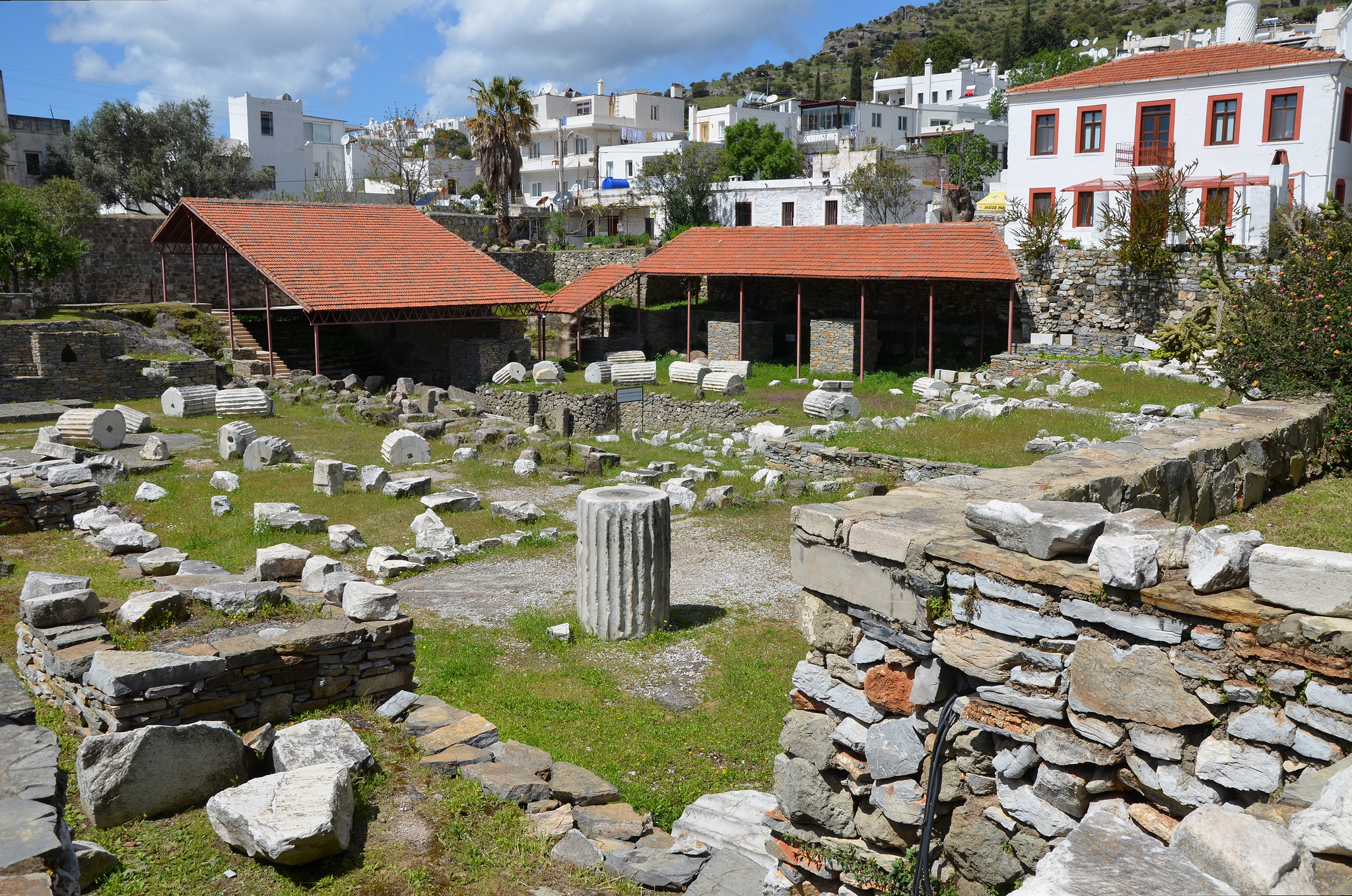
Mausoleum at Halicarnassus
HistoryThis quiet archaeological site marks one of the Seven Wonders of the Ancient World: the monumental tomb built around 350 BC for Mausolus, the Persian-era ruler of Caria, and his wife Artemisia. So admired was its scale and sculpture that his name gave us the very word mausoleum. Earthquakes toppled it over the centuries and the Knights of Rhodes carted much of the marble away to build Bodrum Castle, so what survives today is the foundations, some column fragments, drainage channels and scattered carved stone, alongside an informative display with drawings and models that help you picture the original 45-meter structure crowned by a stepped pyramid and a four-horse chariot. It is a modest ruin that rewards imagination and context rather than grandeur, tucked into a residential street a short walk uphill from the harbor. History enthusiasts will find it essential; casual visitors should read the panels first.
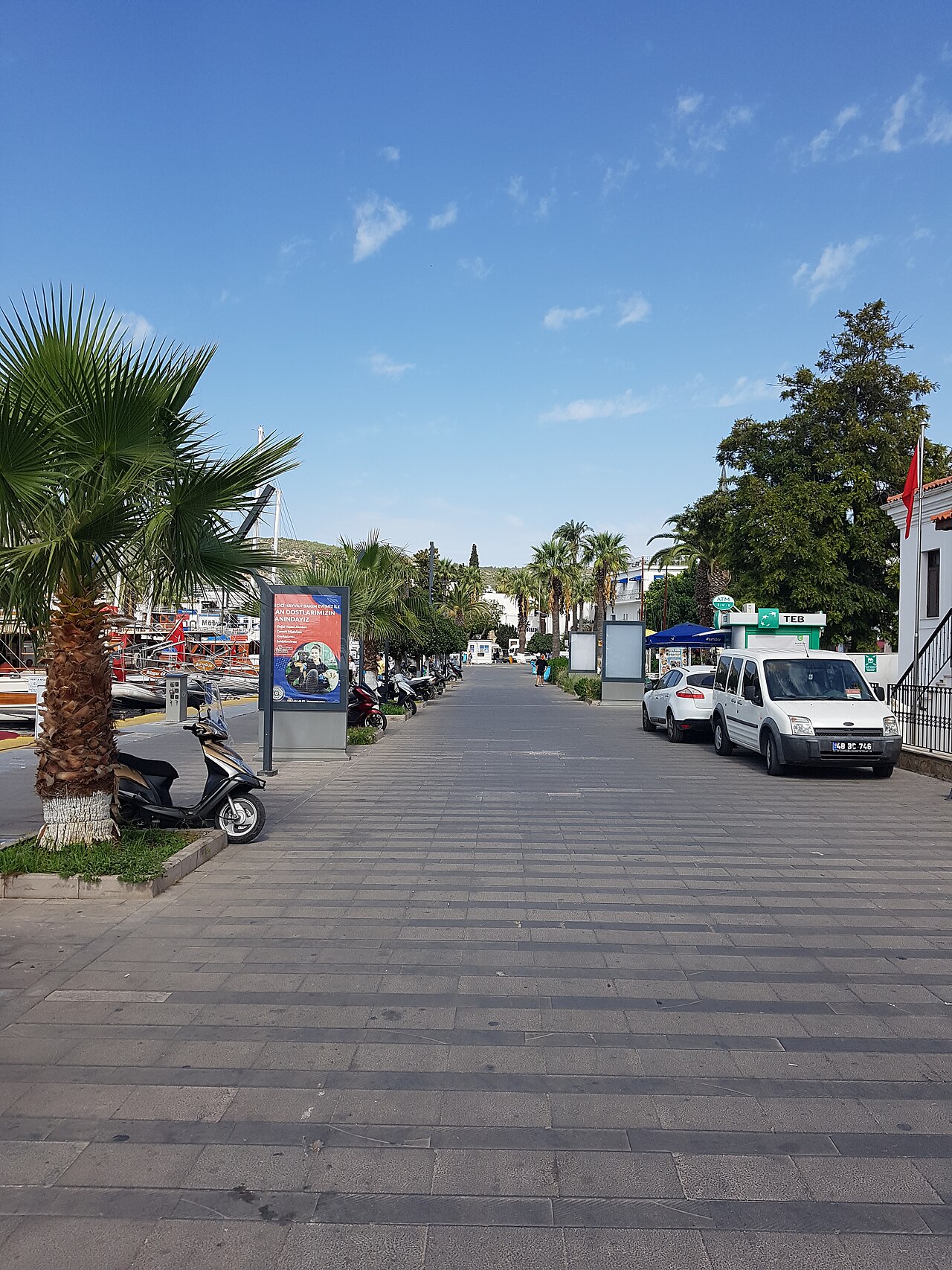
Bodrum Marina and old town
LandmarkThe marina and the lanes behind it are the social heart of Bodrum, where the day winds down along a palm-lined waterfront of moored yachts and gulets, backed by white houses draped in magenta bougainvillea. By evening the promenade fills with strolling families, and the narrow old-town streets, especially the bazaar and the Bar Street area, come alive with boutiques, ice-cream shops, meze restaurants and, later, music. This is the departure point for the classic Bodrum boat trips that potter around the bays and coves, and a fine place simply to sit with a tea or a fish dinner and watch the harbor lights. The pedestrian bazaar between the two bays is good for leather, textiles, sandals and souvenirs, with the expected friendly haggling. It is walkable, lively and safe, though the nightlife end gets loud in peak season, so pick your street to match your mood.
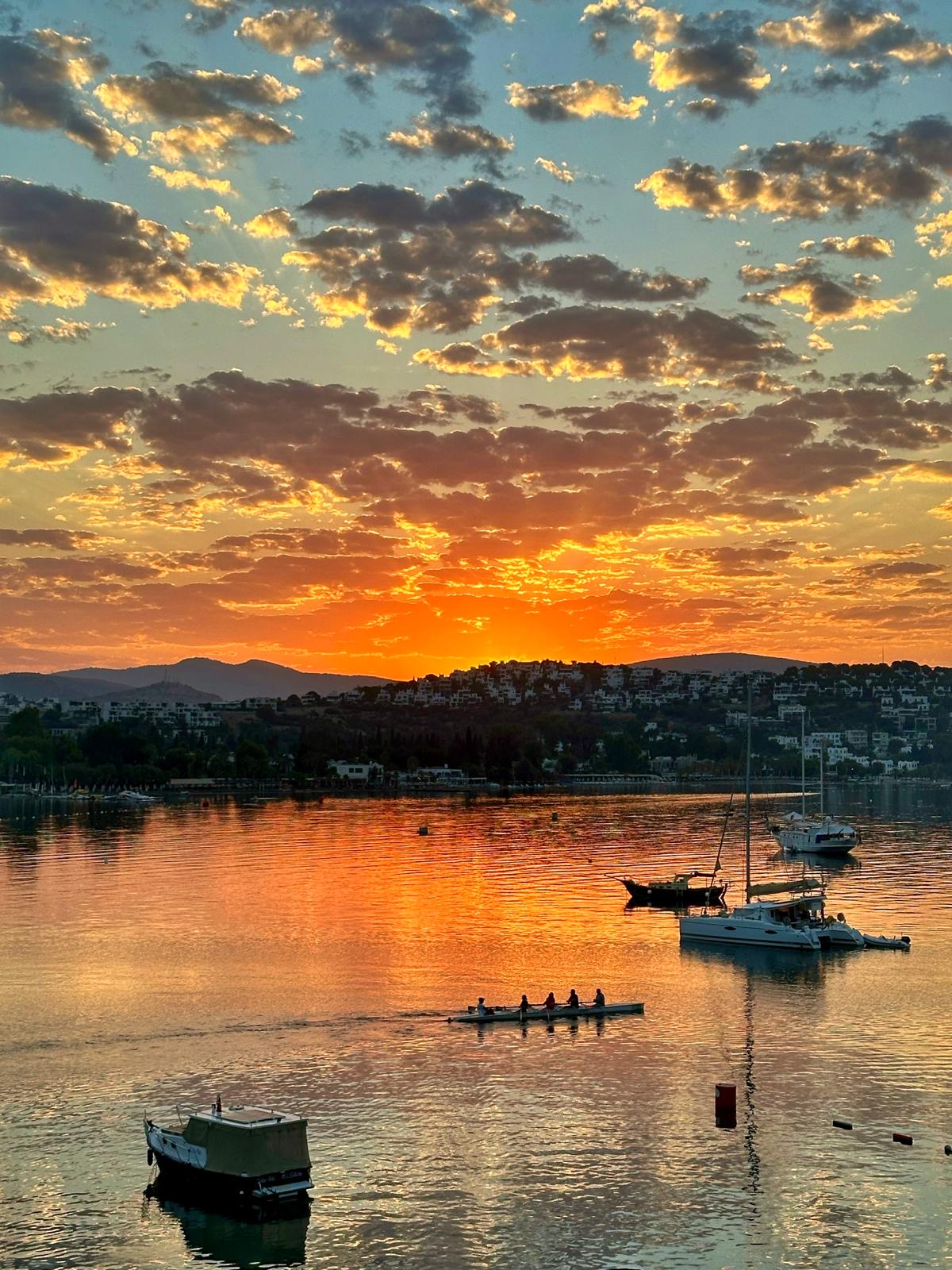
Bitez and Gumbet beaches
BeachThese two bays a short hop from Bodrum town are the easiest swimming options and show the peninsula's two moods. Gumbet, just over the hill west of the marina, is the lively one: a sheltered sandy-pebble bay packed with beach clubs, watersports and loungers and a young party crowd, buzzing day and night in season. Bitez, a little further round, is the calmer, greener alternative, backed by tangerine groves with a long shallow shoreline, a laid-back seafront of cafes and famously reliable afternoon winds that make it a favorite for windsurfing and sailing. Both offer plenty of sunbeds, water toys and places to eat, and both are reachable by dolmus minibus, taxi or the seasonal water taxis that hop around the bays. For quieter, prettier swimming the peninsula rewards going further, to Gumusluk or the coves near Yalikavak, but for sheer convenience these two are hard to beat.
🎯Things to do & experiences — Bodrum
🎈Sail a full-day gulet boat trip around the bays and islands
🎈Tour Bodrum Castle and its Museum of Underwater Archaeology
🎈Windsurf or sail off Bitez in the reliable afternoon breeze
🎈Watch the sunset from Gumusluk over Rabbit Island, feet in the water
🎈Browse the pedestrian bazaar and Bar Street in the old town
🎈Beach-club hop along Gumbet and the western peninsula
🎈Take the fast ferry across to the Greek island of Kos for the day
🍴Where & what to eat — Bodrum
Bodrum's food runs from simple harbor fish shacks to some of Turkey's most fashionable restaurants, all built on Aegean staples: olive oil, wild herbs, seafood and garden vegetables. The peninsula is known for its meze culture and its cold-pressed olive oil, and the villages each have a signature, from Gumusluk's seafront seafood to the glossy marina dining at Yalikavak. Eat where the locals do, in the old-town backstreets, for the best value.
🍽️Aegean meze: sea beans, wild greens and vegetables braised in olive oil
🍽️Fresh grilled fish and octopus at Gumusluk's waterfront tables
🍽️Sunset dining among the yachts at Yalikavak marina
🍽️Lokma, the sweet fried dough traditionally shared in Bodrum
🍽️Local Bodrum tangerines turned into juice, jam and desserts
🍽️Long meze-and-raki dinners in the old-town backstreets
Plan your trip with Seen