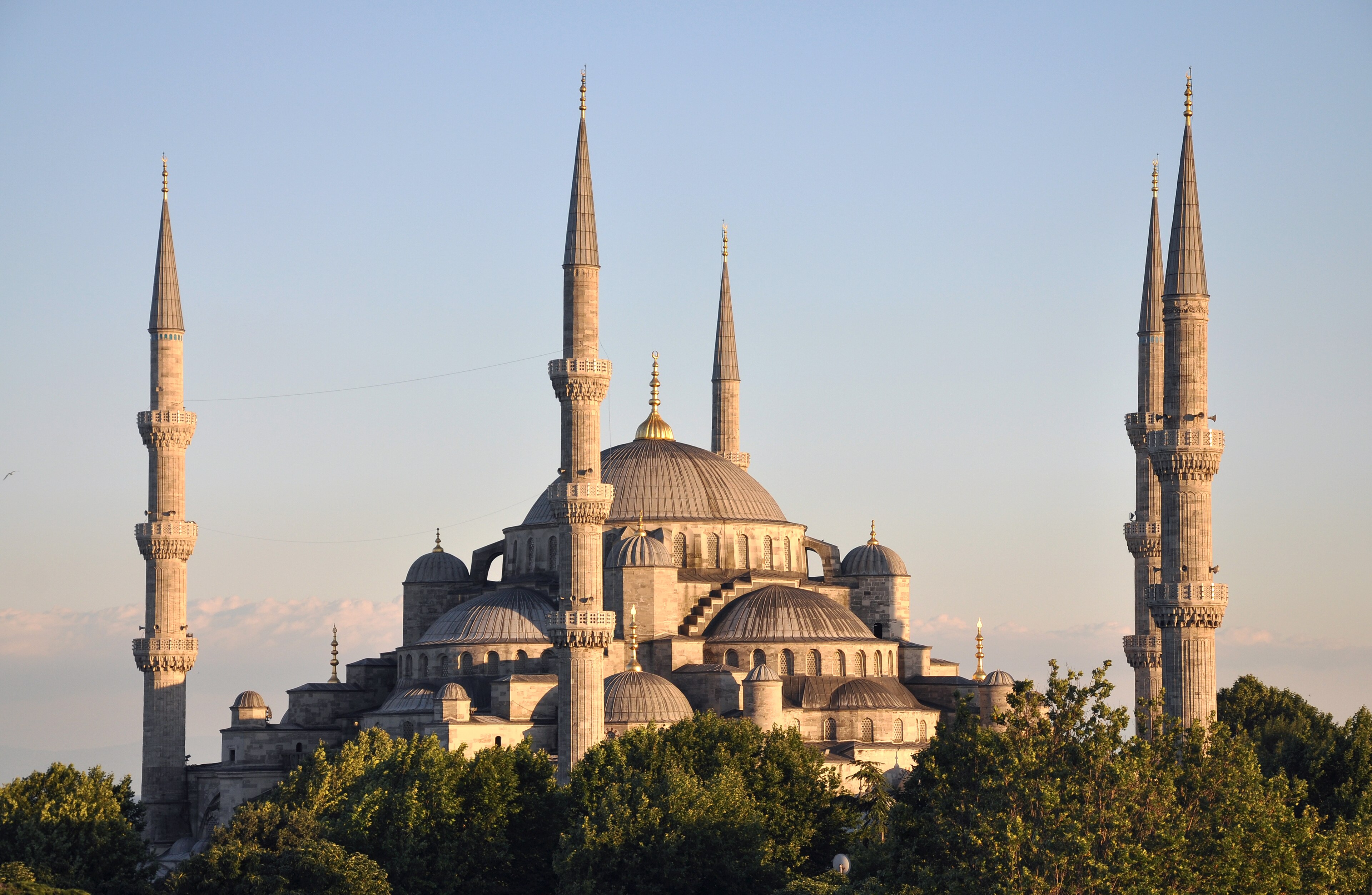
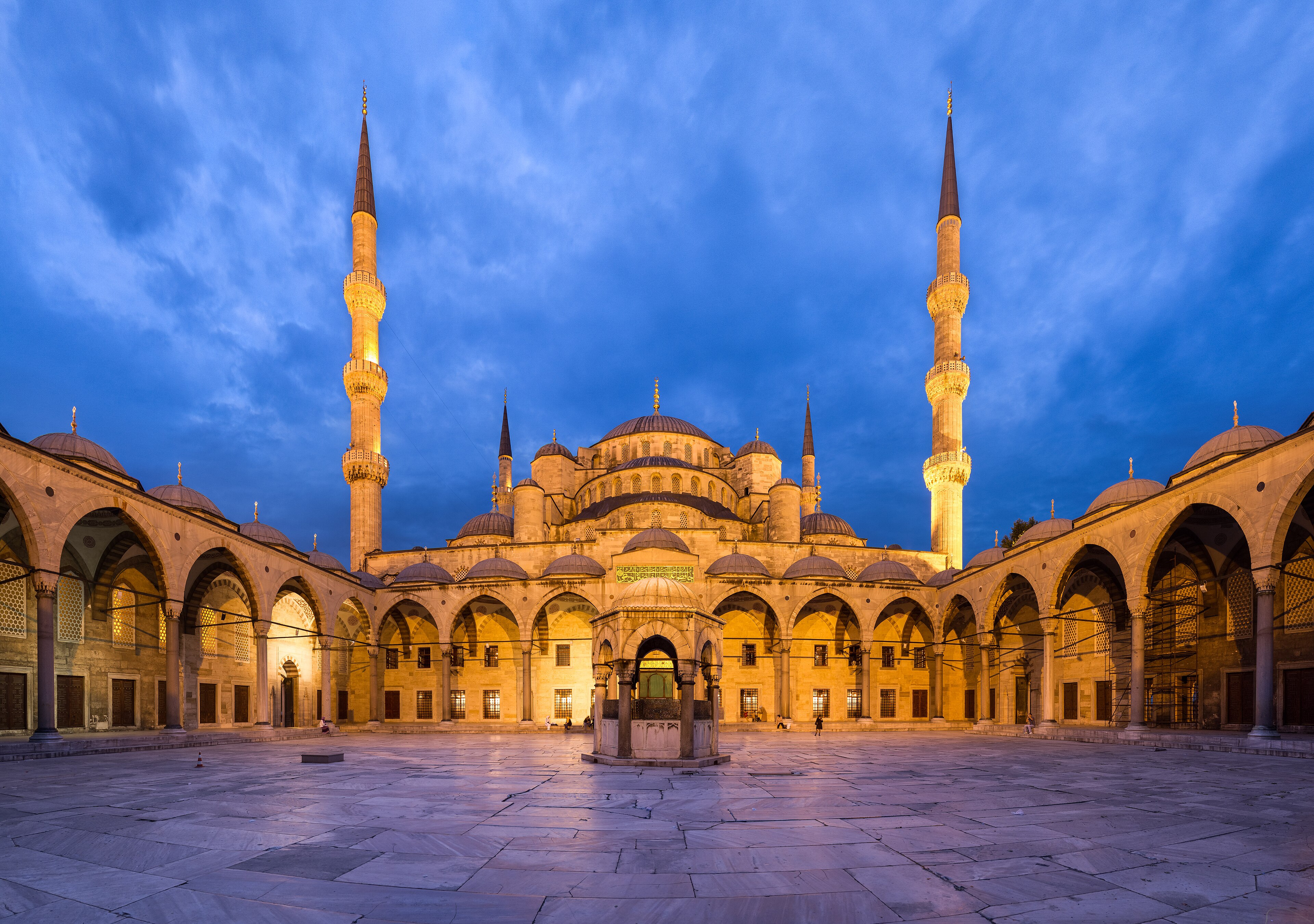
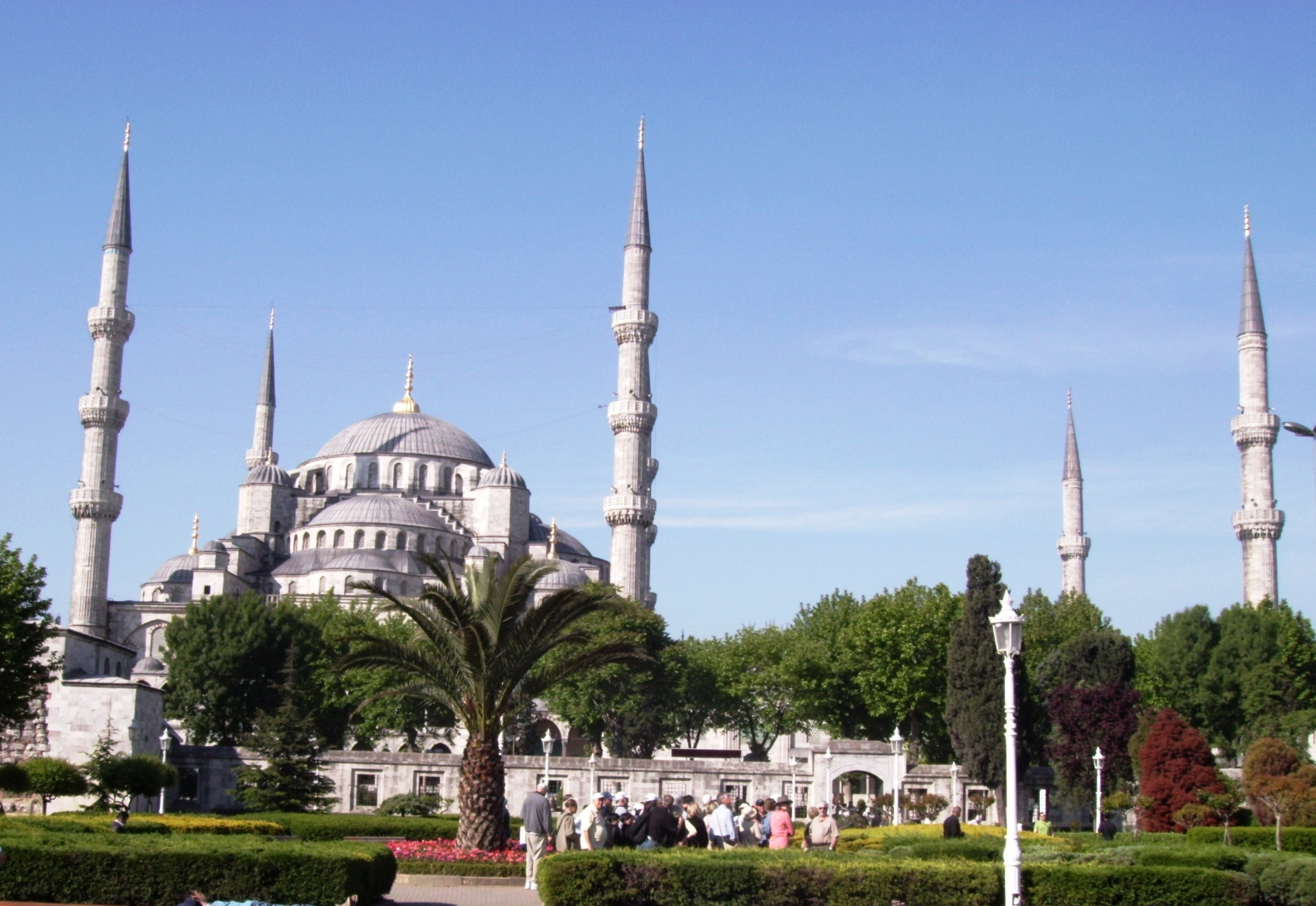
Facing Hagia Sophia across a garden of fountains and rose beds, Sultan Ahmed I's early-seventeenth-century mosque is the more graceful of the pair, and it is still very much a living place of worship with free entry. Its popular name comes from the more than twenty thousand hand-painted Iznik tiles, tulips, carnations and cypresses in blues and greens, that line the upper walls and catch the light from around two hundred and sixty windows. Six slender minarets set it apart; the story goes that the sultan asked for gold (altın) minarets and his architect heard six (altı). A recent multi-year restoration has left the vast prayer hall looking its best in generations. Enter through the courtyard, remove your shoes, dress modestly, and time your visit between the five daily prayers. The interior is free, unhurried and genuinely moving, one of the city's few unmissable sights that costs nothing.
Plan your trip with Seen