📍Destinations — Pamukkale
Pick a destination for full details
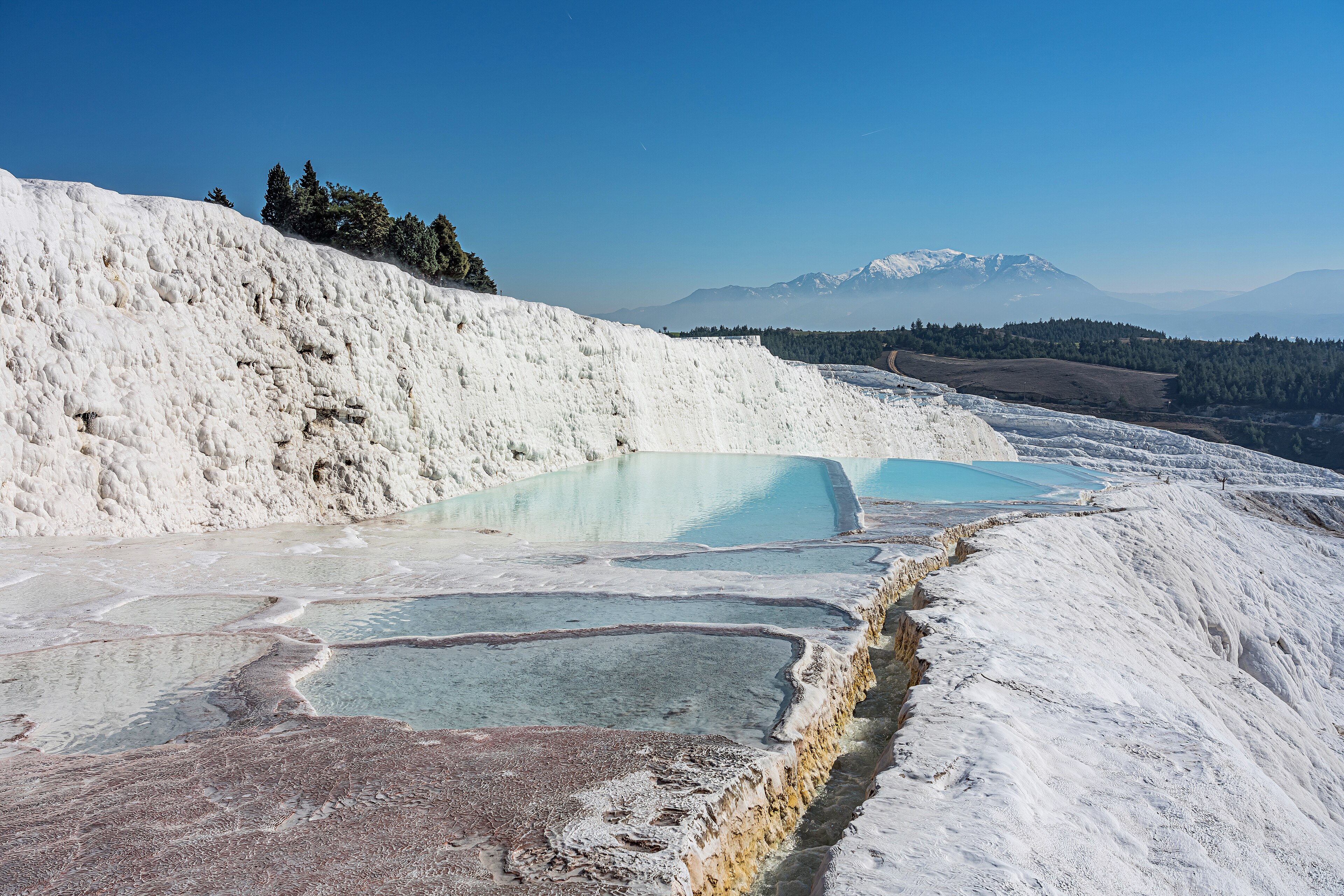
Travertine terraces
NatureThe travertines are why Pamukkale is world-famous: a cascade of brilliant white terraced basins stepping down the hillside, each holding a shallow film of warm turquoise mineral water. They built up over thousands of years as thermal water, saturated with calcium carbonate, emerges from the ground, cools and deposits chalky travertine, the same process that grows a stalactite, only on a hillside scale. To protect the fragile surface, everyone walks barefoot along a single designated route, and only certain pools are open for paddling on any given day, rotated so the formations can recover and refill. The stone is knobbly and can be slippery, so carry your shoes and expect the climb to take longer than it looks. Seen from the plain below or from the ruins above, the whole slope glows almost supernaturally white, and at sunset it turns soft gold and pink. It is the most photographed sight in inland Turkey for good reason.
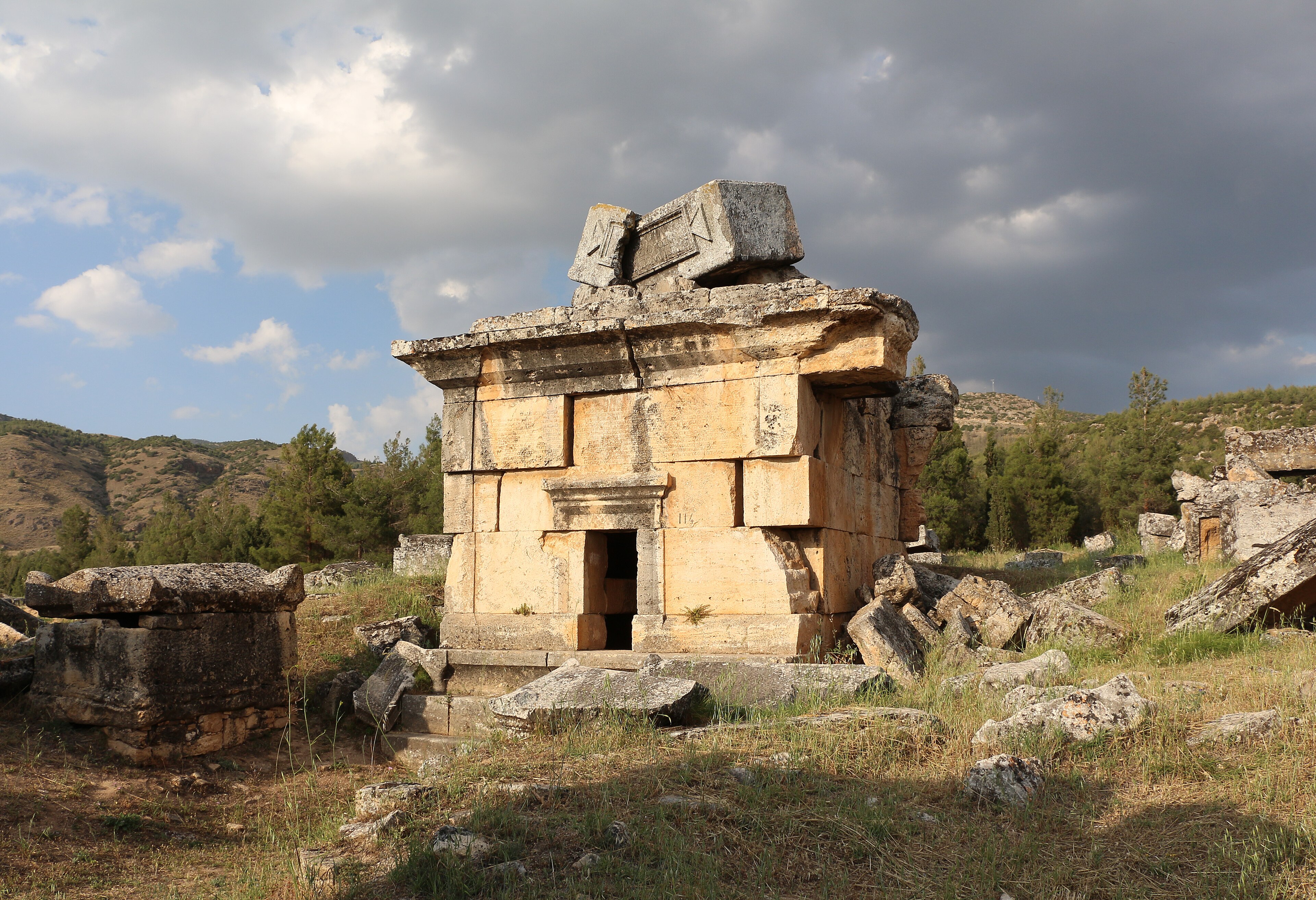
Hierapolis ancient city
HistorySpread across the plateau above the white terraces, Hierapolis was a Greco-Roman spa city founded in the 2nd century BC, drawing pilgrims and the sick to its thermal waters in search of cures. Covered by the same ticket as the travertines, the ruins are extensive and easy to underestimate: colonnaded streets, monumental gates, Roman baths (one now the site museum), a Byzantine basilica and the Martyrium of St Philip, the apostle believed to have been martyred here, all spread across a wide, sun-exposed field. This is a genuine ancient city rather than a single monument, so give it real time and expect a lot of walking with little shade. The layering of a working spa resort, a healing sanctuary and an early Christian pilgrimage site gives Hierapolis unusual depth. Wear a hat and carry water, because the plateau bakes in summer and the distances between the highlights are considerable.
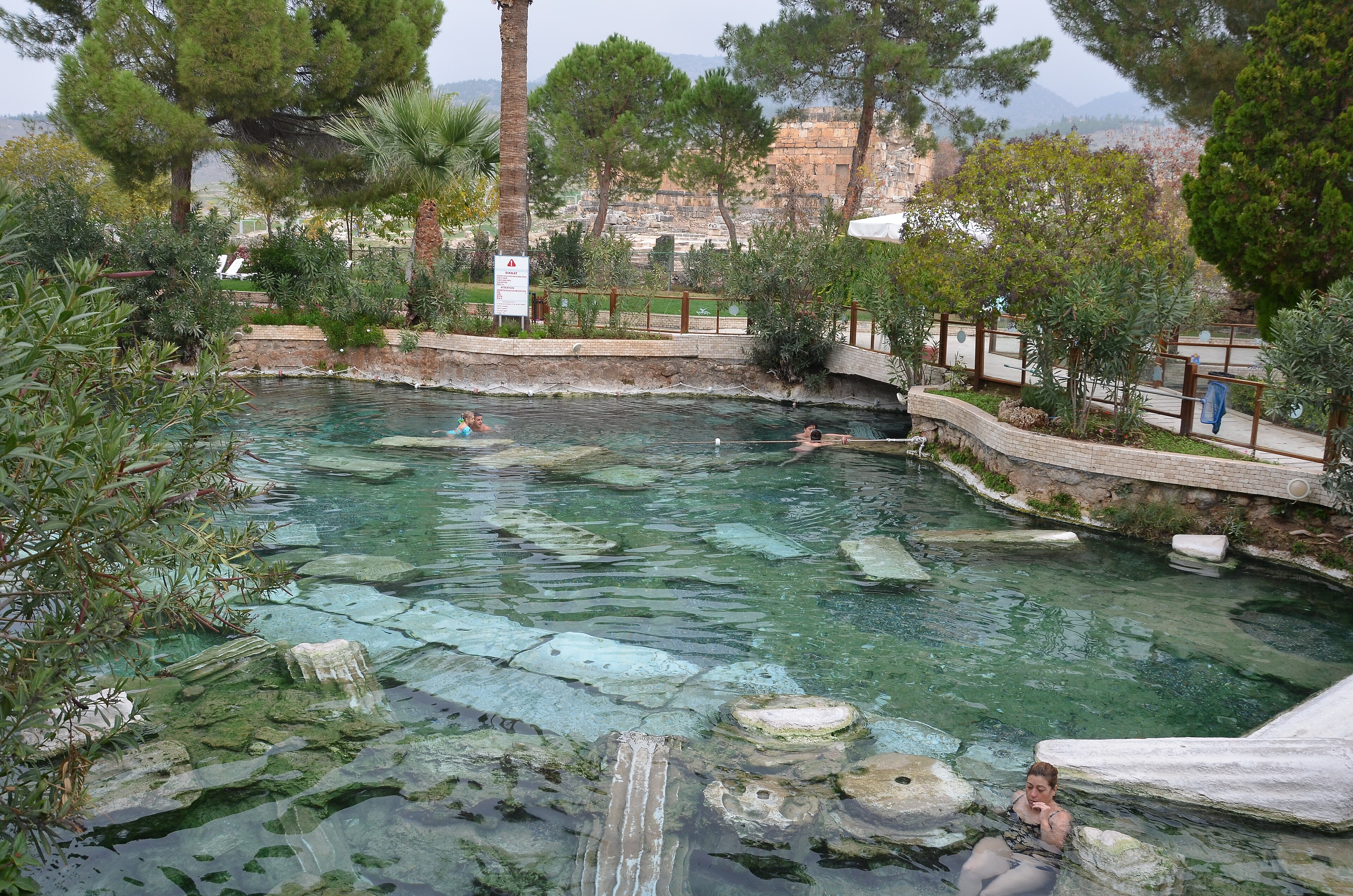
Cleopatra's Antique Pool
ThermalAlso called the Antique Pool or the Sacred Pool, this is a warm natural thermal spring where you can swim among genuine fragments of ancient marble, fluted columns and carved capitals that tumbled into the water when an earthquake felled a Roman portico. The mineral water bubbles up at a pleasantly warm temperature year-round, fizzing gently with dissolved gases, and floating over the submerged columns is a genuinely surreal, only-here experience; legend, unprovable but irresistible, ties the spot to Cleopatra herself. It sits in the heart of the Hierapolis site and charges a separate entry fee on top of the main ticket, with changing rooms, lockers and a cafe on hand. It gets crowded and the water is shallow, so treat it as a magical soak rather than a serious swim. Bring swimwear, a towel and water shoes for the stony bottom, and go at opening or late afternoon for room to move.
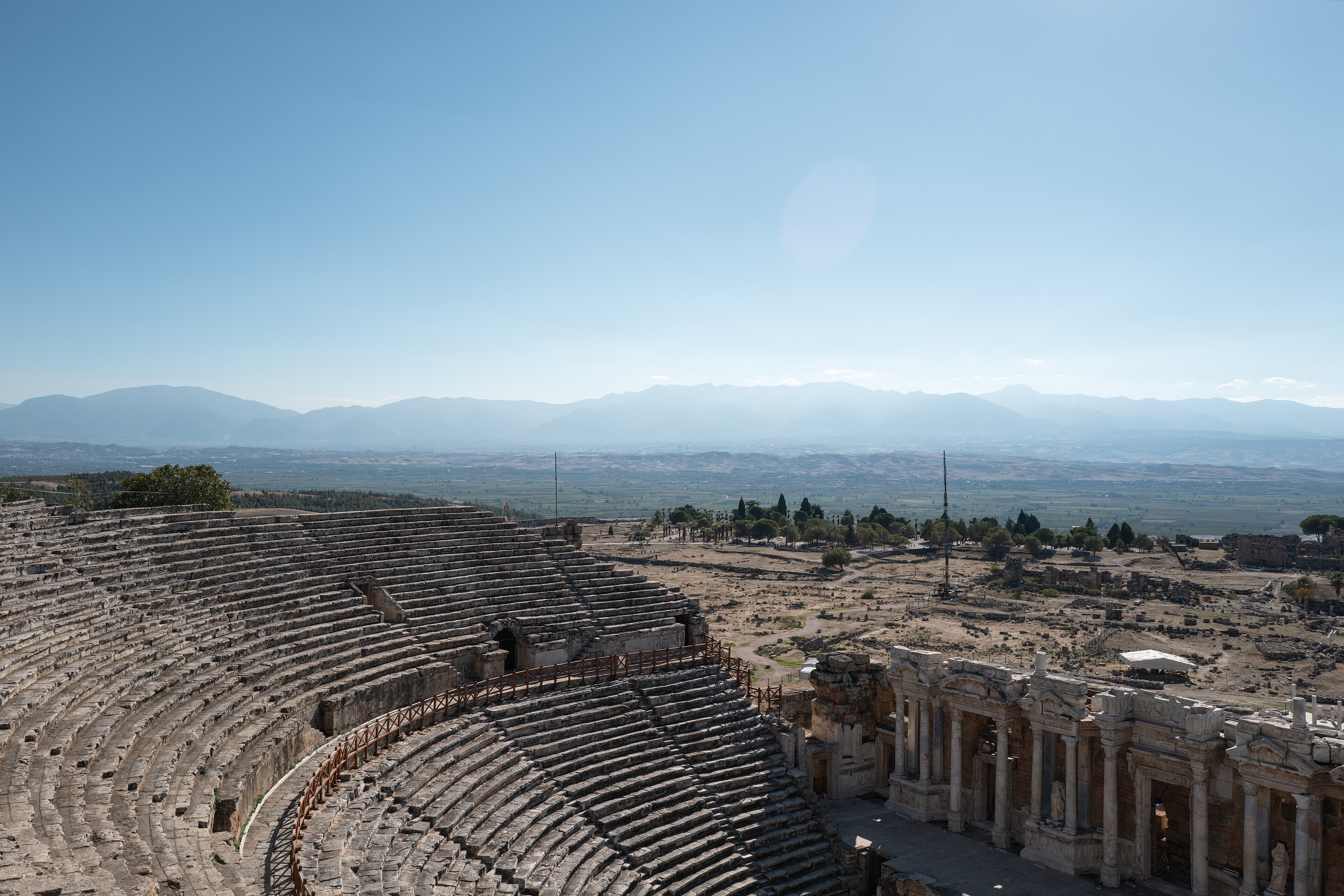
Hierapolis Theatre
HistoryThe Roman theatre is the single most impressive monument at Hierapolis, a steep semicircle of stone seating built into the hillside that once held around 12,000 spectators and survives in remarkable condition after careful restoration. What sets it apart is the elaborately carved stage building, the scaenae frons, decorated with friezes, columns and reliefs of gods and imperial scenes, much of which still stands several storeys high. Climbing to the upper rows rewards you with a commanding view straight down over the ruins, the white travertines and the plain far below, making it the best vantage point on the whole site and a favorite at golden hour. Built largely in the 2nd century AD under the emperors Hadrian and Septimius Severus, it is a short but steady uphill walk from the main street. Sit a while and picture the crowds; the acoustics still carry a voice from the stage to the top rows.
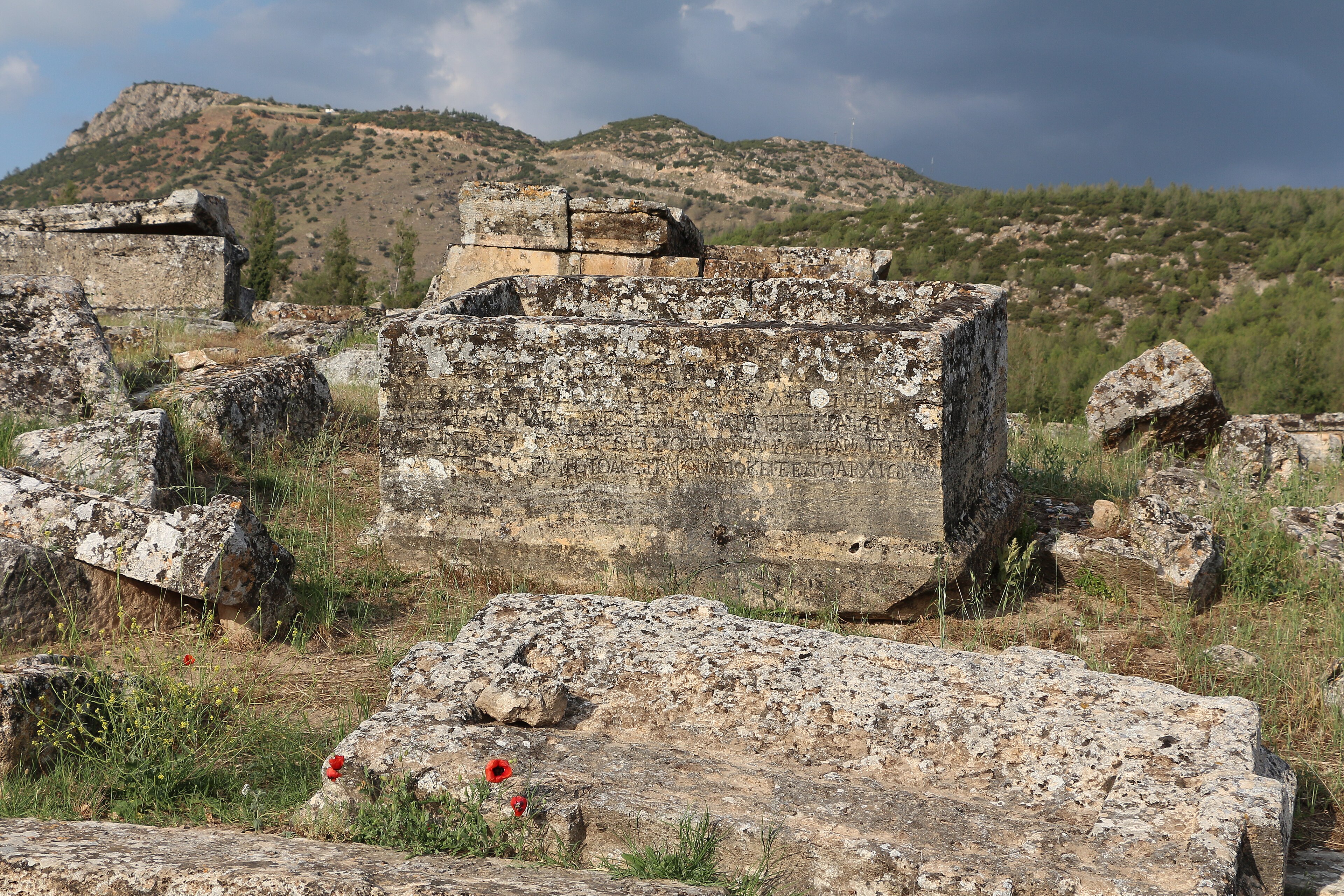
Hierapolis Necropolis
HistoryThe necropolis of Hierapolis is one of the largest and best-preserved ancient cemeteries in Anatolia, stretching for over a kilometer along the roads out of the city, with more than a thousand tombs. Because people came to Hierapolis hoping the thermal waters would heal them, and many died here instead, the city grew an unusually vast burial ground, and its tombs run the full social range: plain stone sarcophagi, house-shaped tomb chambers and grand circular tumulus mounds for the wealthy, many still carrying their carved inscriptions. Wandering among them, largely undisturbed and free of crowds, is quietly atmospheric and gives a vivid sense of the ancient world's attitude to death and the afterlife. It lies at the northern end of the site, beyond the main baths and gate, so it pairs naturally with a walk out to the Martyrium. There is next to no shade, so the cool of early morning suits it best.
🎯Things to do & experiences — Pamukkale
🎈Walk the white travertine terraces barefoot at sunrise or sunset
🎈Swim among sunken Roman columns in Cleopatra's Antique Pool
🎈Explore the ruins, streets and theatre of ancient Hierapolis
🎈Visit the Hierapolis Archaeology Museum inside the old Roman baths
🎈Take a dawn hot-air balloon flight over the white terraces
🎈Paraglide off the ridge for an aerial view of Pamukkale
🎈Day-trip to the nearby ancient cities of Laodicea or Aphrodisias
🍴Where & what to eat — Pamukkale
Pamukkale is a small inland village rather than a food destination, so dining centers on hearty Anatolian home cooking in the village itself and nearby Denizli. Expect gozleme, grilled meats and slow-cooked clay-pot stews rather than coastal seafood, often served on simple terraces with a view of the white cliffs. Many pensions cook their own dinners, and these home kitchens are usually the best eating in town.
🍽️Testi kebabi, meat and vegetables slow-cooked and cracked open from a sealed clay pot
🍽️Homemade gozleme filled with cheese, spinach or potato
🍽️Denizli-style grilled lamb skewers and kofte
🍽️Manti, tiny Turkish dumplings under garlic yoghurt
🍽️Pension breakfasts on terraces facing the travertines
🍽️Fresh pomegranate and orange juice from roadside stalls
Plan your trip with Seen