📍Destinations — Aswan
Pick a destination for full details
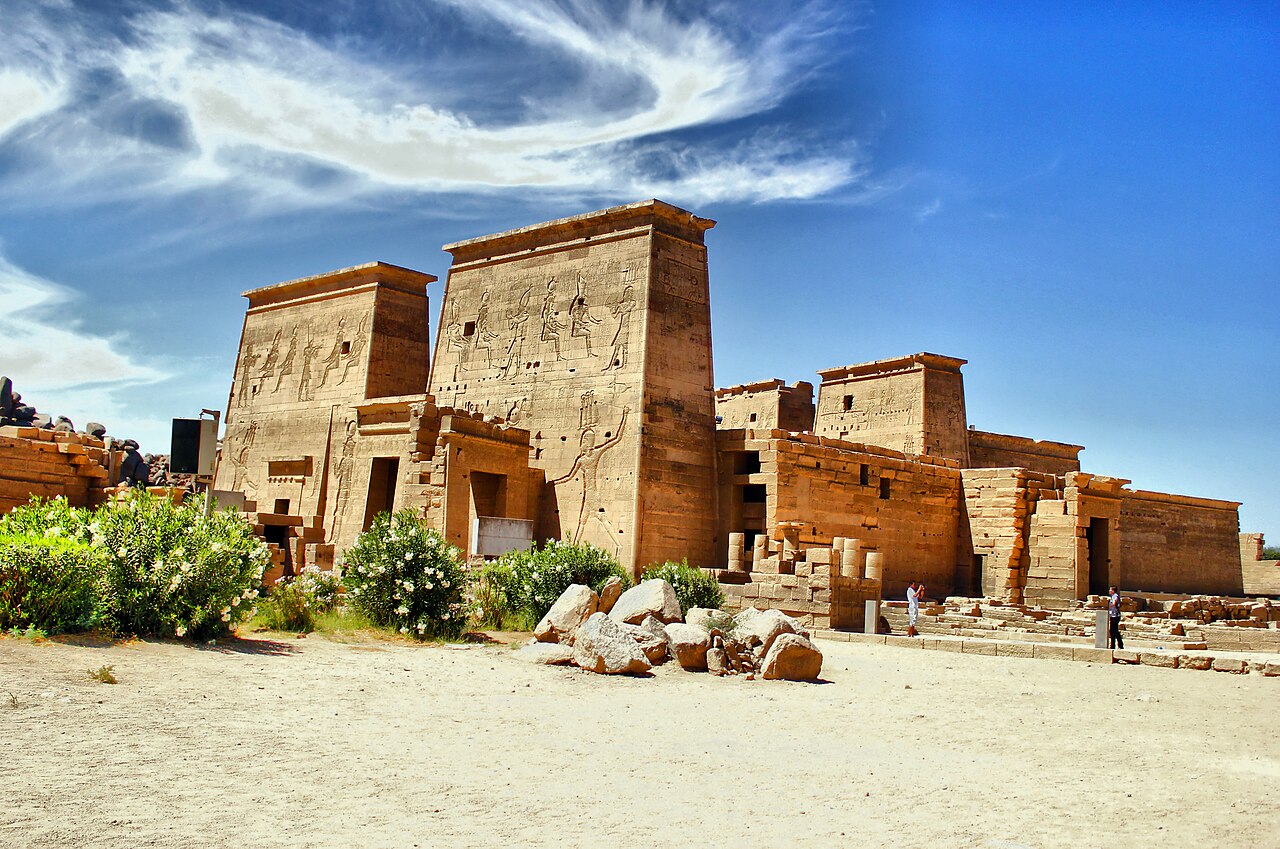
Philae Temple (Temple of Isis)
Island templeReaching Philae is half the pleasure: you take a little motorboat from the Shellal dock across a stretch of the Nile to Agilkia Island, and the temple reveals itself rising straight from the water. Dedicated to Isis, the great mother goddess, it is a graceful Ptolemaic and Roman complex, and the last place in Egypt where hieroglyphs were carved, as late as the fourth century AD. The whole temple was actually moved here stone by stone in the 1970s, rescued from the island next door which had vanished beneath the reservoir behind the old dam. Wander through the twin pylons and colonnaded courts to the sanctuary, spotting the reliefs early Christians hacked away when they turned it into a church, and do not miss the elegant riverside Kiosk of Trajan, the Pharaoh's Bed, one of Egypt's most photographed structures. Come early for soft light and few boats, or return for the atmospheric evening sound-and-light show.
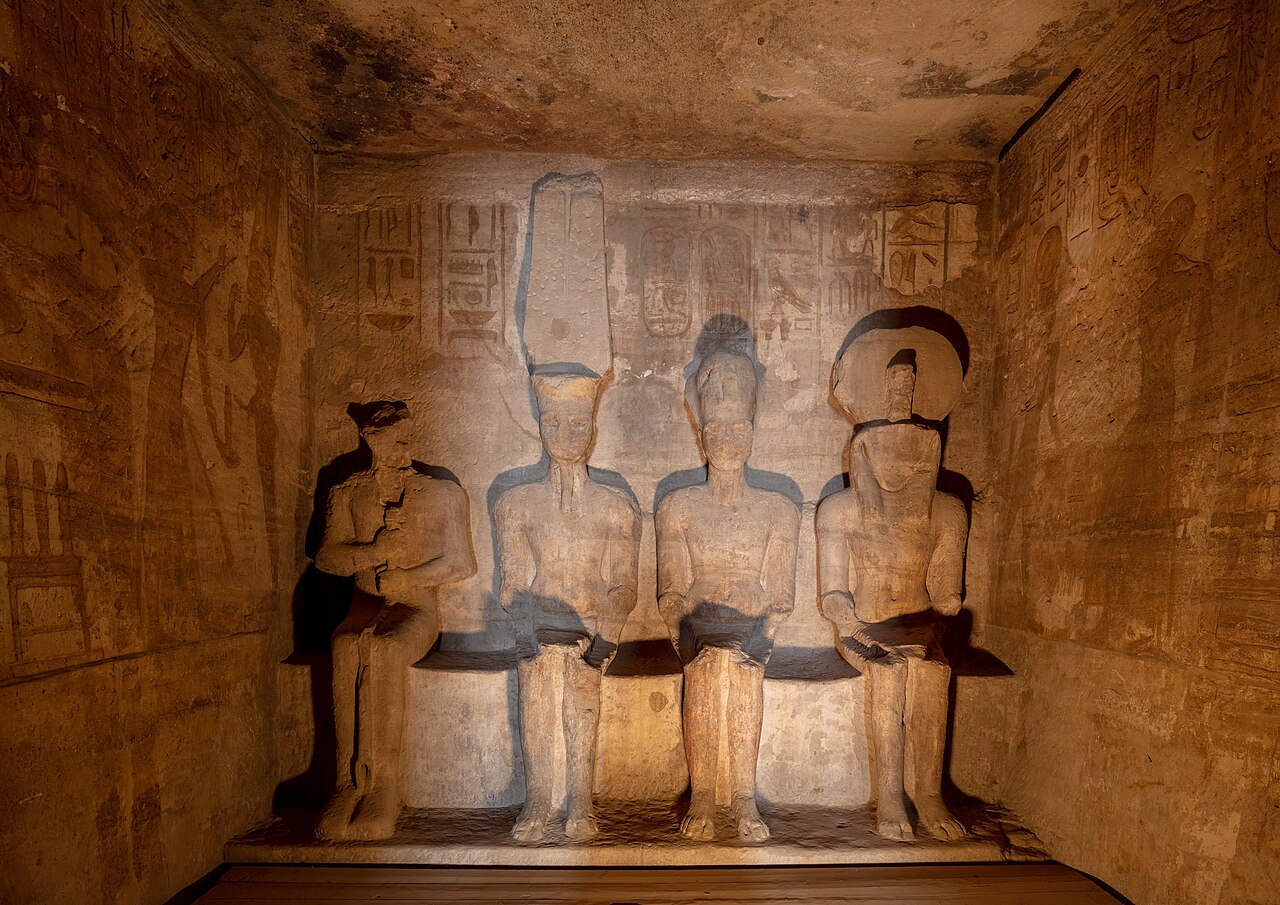
Abu Simbel
Rock templesNothing quite prepares you for the four enormous seated statues of Ramesses II, each some twenty metres high, carved straight out of the cliff at Abu Simbel deep in Nubia near the Sudanese border. Alongside stands the smaller temple he dedicated to his beloved queen Nefertari, its facade lined with standing figures. Inside the Great Temple, halls of Osiris pillars lead past reliefs of the Battle of Kadesh to an inner sanctuary where, twice a year, the rising sun still reaches in to strike the gods at the very back. The astonishing part is that the entire complex was sawn into more than a thousand blocks in the 1960s and reassembled sixty metres higher to save it from the rising waters of Lake Nasser, one of history's great feats of rescue engineering. Reaching it means a very early start: a three-to-four-hour desert drive from Aswan, or a short domestic flight. Long as the day is, almost no one regrets going.
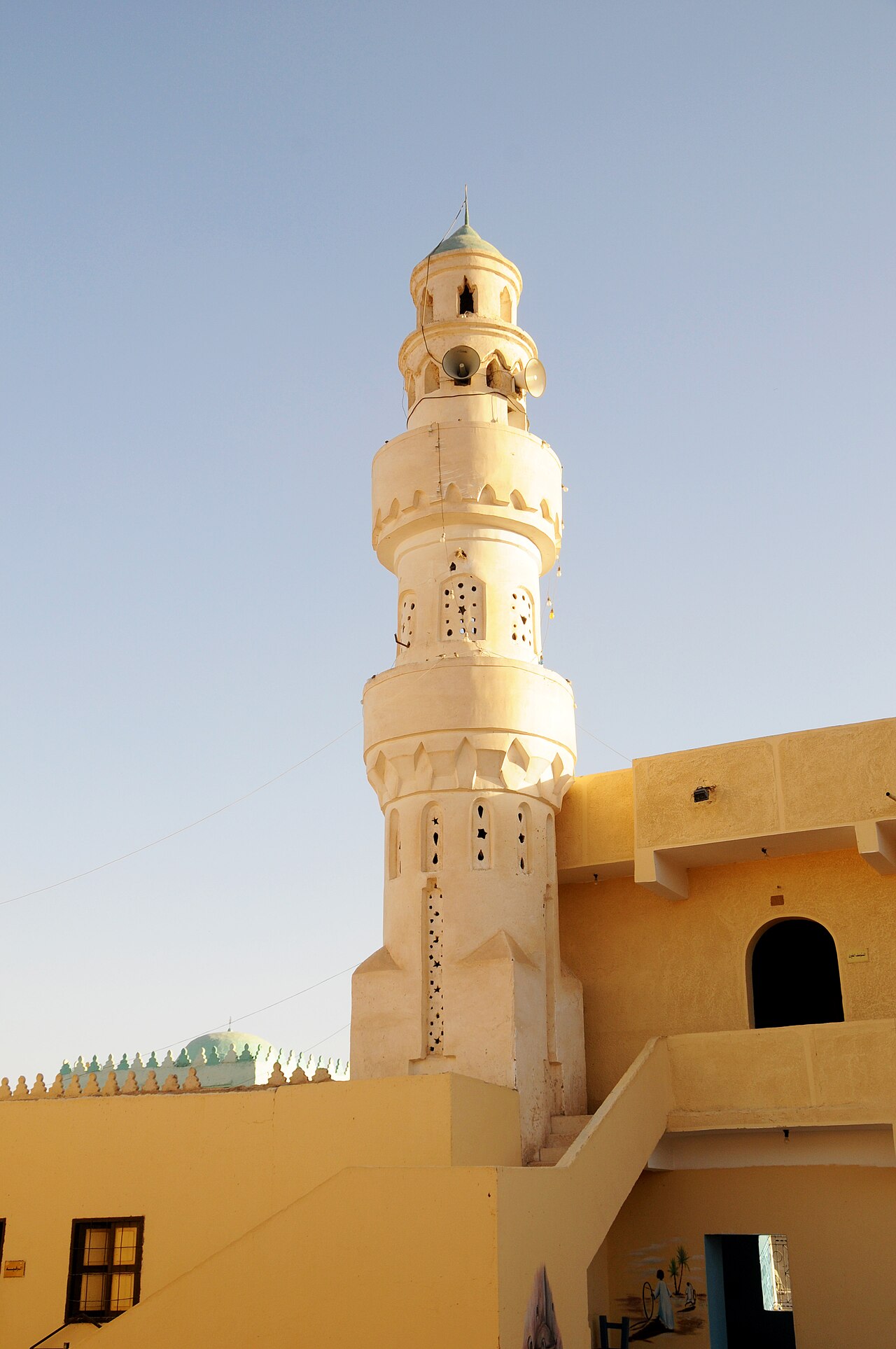
Nubian Village (Gharb Soheil)
Cultural visitA boat ride upriver past Elephantine Island brings you to Gharb Soheil, the most visited of Aswan's Nubian villages, and the approach, sand dunes tumbling to the water and camels on the bank, is lovely in itself. The village is a riot of colour: houses painted cobalt, saffron and pink, their walls decorated with folk motifs, lanes strung with embroidered scarves, beaded jewellery, spices, henna and sacks of deep-red hibiscus. Nubian culture is distinct from the rest of Egypt, with its own language, music and famously warm hospitality, and a visit usually includes sweet mint tea or karkade, a chance to try henna, and Nubian food if you stay for a meal. Some houses keep small Nile crocodiles in tanks as a local tradition, which fascinates children though not everyone loves it. It is unashamedly geared to visitors now, but the welcome is genuine and the setting truly beautiful, best timed so you sail back at sunset.
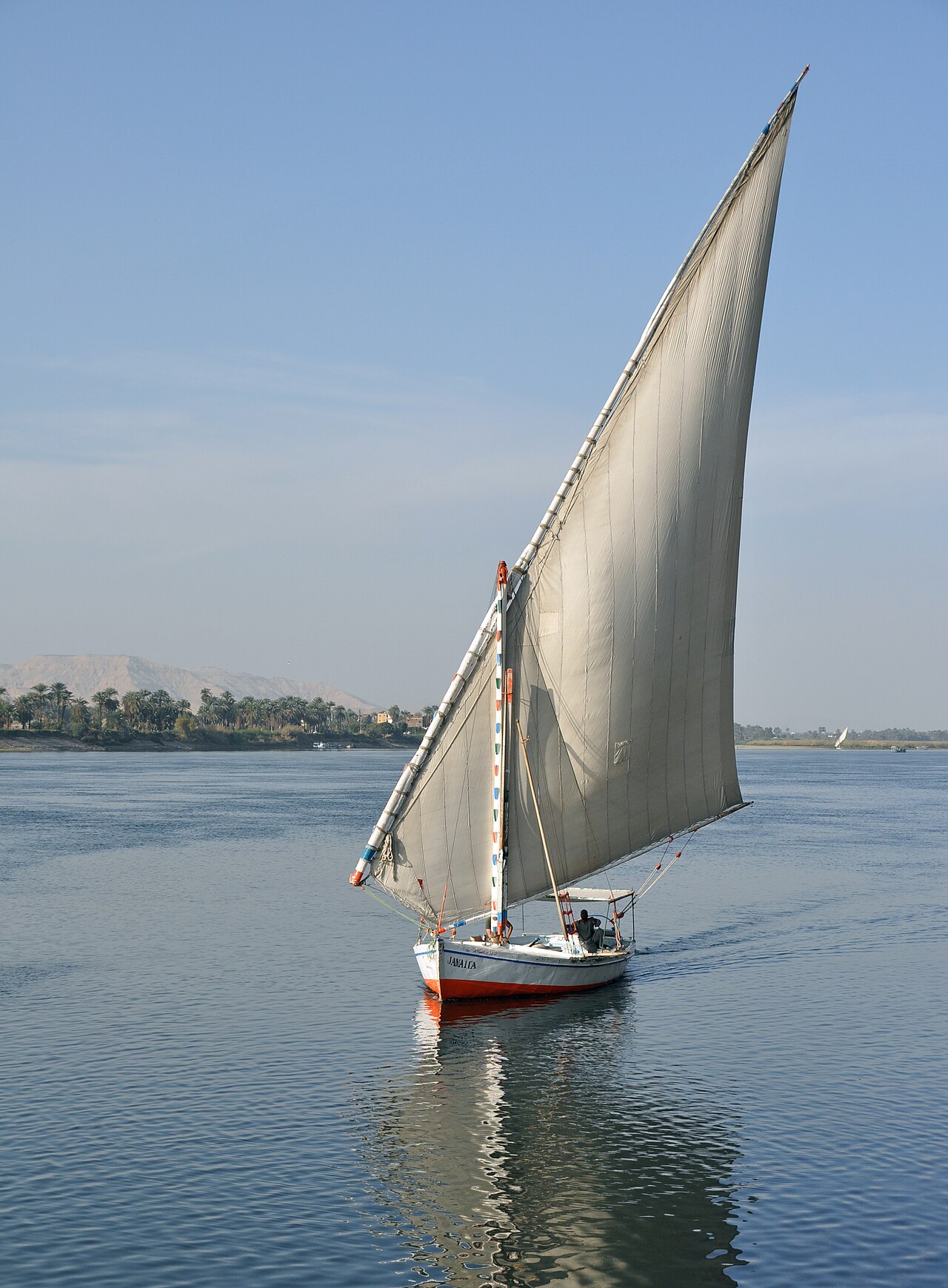
Nile felucca sail
Nile sailAswan is the loveliest stretch of the whole Nile, and the felucca, a traditional wooden boat with a tall triangular sail, is the perfect way to drink it in. There is no engine, just the wind and the water and the creak of the rigging, as the boatman tacks between islands, granite boulders and the golden dunes of the west bank. A typical sail loops around Elephantine Island with its Nubian villages and ancient ruins, past the grand old Cataract hotel and the hilltop domed Mausoleum of the Aga Khan, and out to Kitchener's Island, where you can land and stroll the shady Botanical Garden of palms and exotic trees planted over a century ago. Sunset is the moment, when the light turns the sails amber and the desert pink and the whole scene goes still. Agree the length and price with the captain first, then settle in; this is Aswan doing what it does best, gloriously slowly.
Unfinished Obelisk
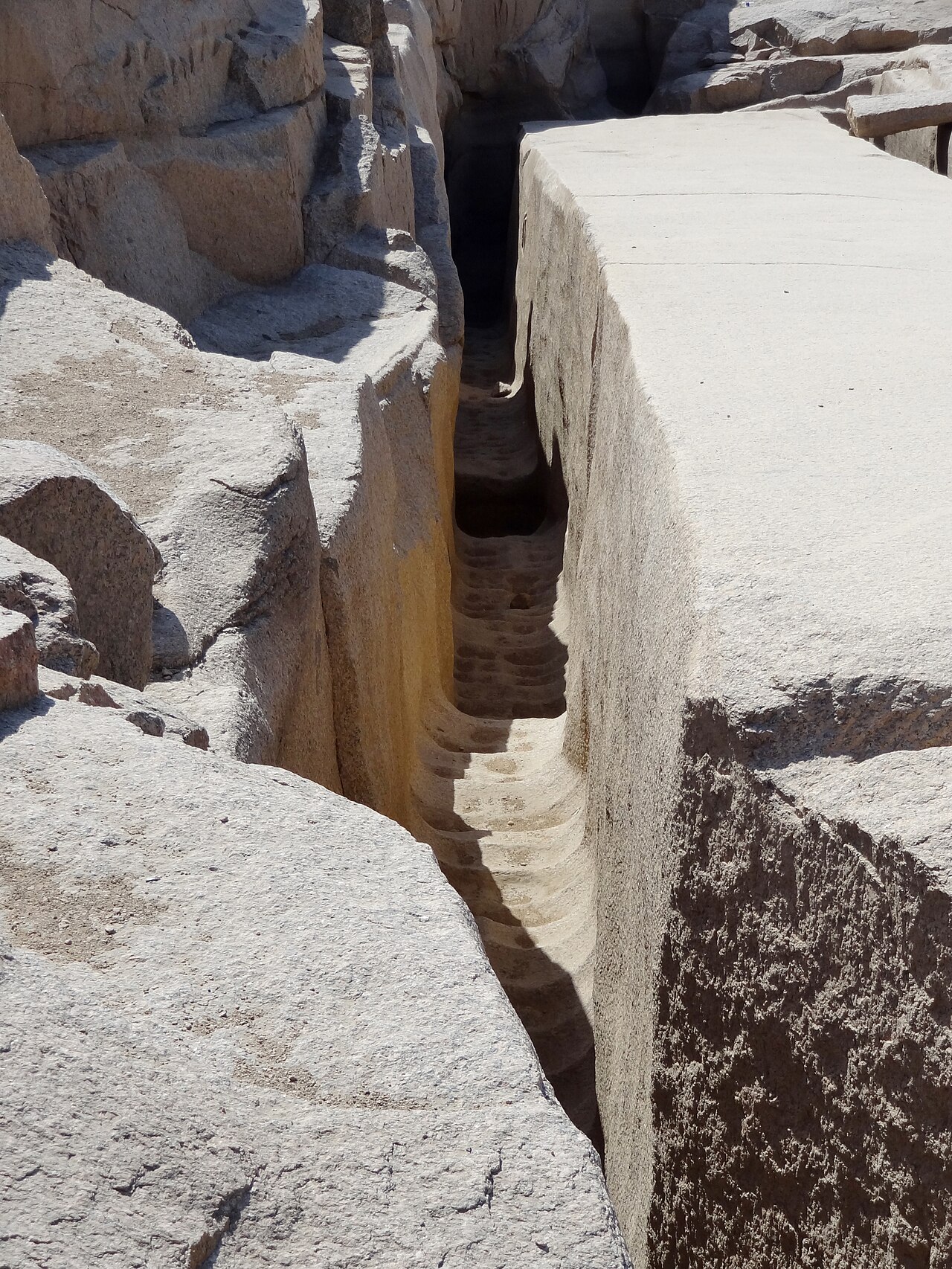
Ancient quarryAswan's pink and red granite built obelisks, colossi and sarcophagi the length of Egypt, and this quarry is where you see how. Lying in a trench, still attached to the bedrock along one side, is a single enormous obelisk that would have stood around 42 metres tall and weighed over a thousand tonnes, far larger than any that was ever raised, had a crack not opened along its length partway through the work and forced the masons to abandon it where it lay. What makes the site fascinating is precisely that it was left unfinished: you can walk alongside it and read the process directly from the stone, the channels pounded out by hand with balls of harder dolerite, the trial grooves, the tool marks, even the scale lines. It turns an abstract question, how did they cut and move these things, into something you can stand right over. It is a compact, exposed, open-air site of half an hour or so.
Aswan High Dam
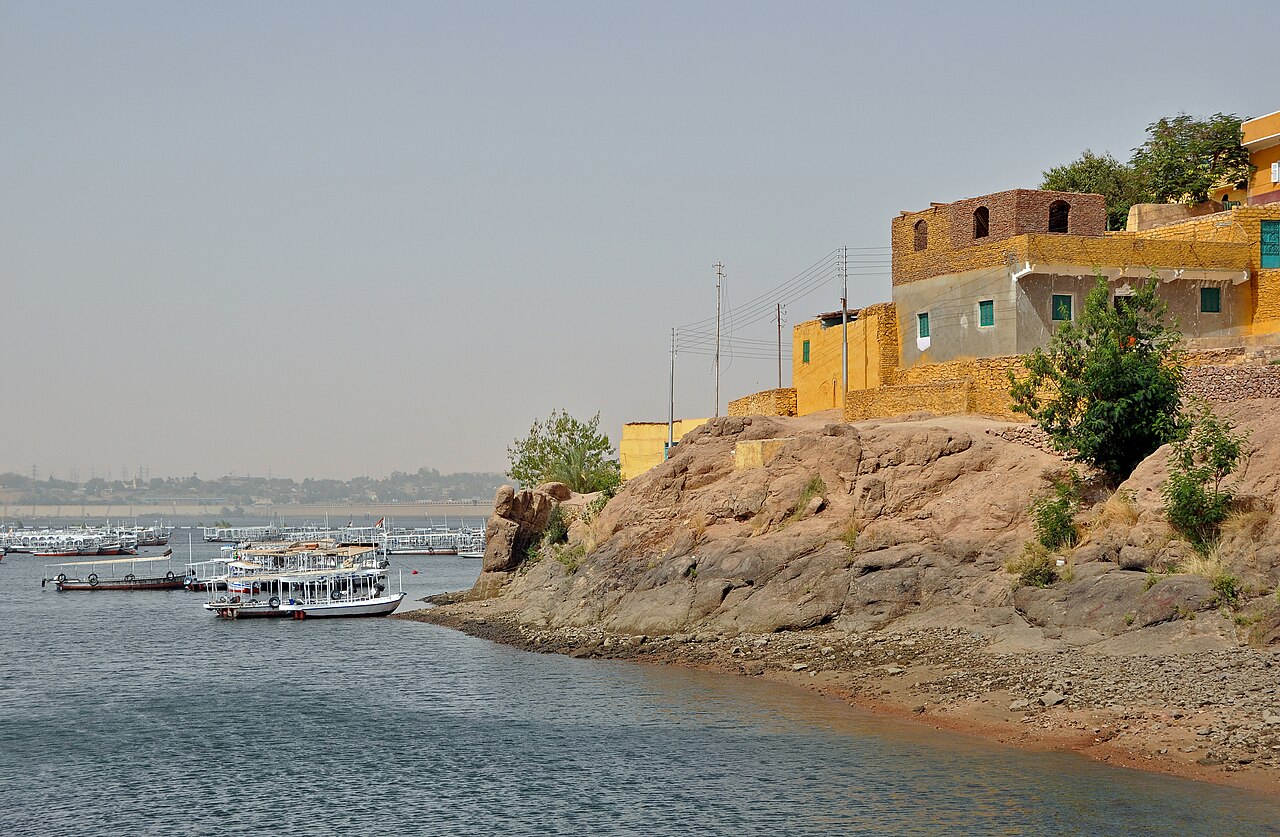
Modern landmarkThe High Dam is not a pretty monument, but it is the reason modern Egypt looks the way it does, and standing on it drives that home. Completed in 1970 with Soviet help, this vast embankment nearly four kilometres long tamed the Nile's annual flood, generates a large share of Egypt's electricity, and created Lake Nasser behind it, one of the largest artificial lakes on earth, stretching south into Sudan. You drive across the top, with the tamed river far below on one side and the sea-like reservoir on the other, and stop at viewpoints and the lotus-shaped Soviet-Egyptian friendship monument. Your guide will explain the trade-offs that shaped everything else you are seeing in Aswan: the reservoir is exactly what drowned old Philae and would have swallowed Abu Simbel, and it forced the Nubian people from their ancestral land. It is more a place to understand the region than to be wowed, a short but worthwhile stop, usually combined with Philae and the obelisk.
🎯Things to do & experiences — Aswan
This excellent modern museum traces Nubian civilization from prehistory through the pharaohs to the wrenching resettlement when the High Dam flooded the old homeland. Beautifully laid out and air-conditioned, it is the best possible primer on the culture you will meet in the villages, and far more substantial than most visitors expect. Allow a good couple of hours to do it justice.
The legendary old riverside hotel, perched above the Nile amid pink granite and gardens, is where Agatha Christie is said to have written, and its terrace commands the finest view in Aswan. Non-guests can usually book afternoon tea or a sunset drink to soak up the setting; dress smartly, reserve ahead, and time it for the golden hour over the river.
Aswan's market street is one of the most colourful in Egypt, a long, partly covered run of stalls piled with hibiscus, spices, henna, nuts, dates and scarves, and far more relaxed than Cairo's Khan el-Khalili. Go in the evening when it is cool and busy with locals, browse and sniff your way along, and expect to bargain gently for whatever you buy.
On the desert west bank stand the substantial ruins of St Simeon, a fortress-like Coptic monastery abandoned in the Middle Ages. The fun is getting there: a short camel trek up from the riverbank across the sand, with big desert and Nile views and almost no crowds. Combine it with a felucca crossing and go earlier in the day before the heat builds.
Land here on your felucca sail to wander a whole small island turned over to a botanical garden, its shady avenues planted with palms and exotic trees gathered from across the tropics more than a century ago. It is peaceful, green and a lovely leg-stretch mid-sail; there is a small entry fee, and late afternoon is both cooler and prettier.
After dark, the island temple of Isis is floodlit and a narrated sound-and-light show plays out among the columns, and the short boat ride across the black water to reach it is memorable in itself. It is one of the better-staged shows in Egypt; check the evening's language schedule when you book, and bring a light layer for the river breeze.
🍴Where & what to eat — Aswan
Aswan's food carries a distinct Nubian accent, a little gentler and more aromatic than the rest of Egypt, and the setting does half the work, riverside terraces and island restaurants strung along the loveliest reach of the Nile. Fresh grilled fish, slow tagines and ice-cold hibiscus are the things to seek out.
Nubian-style clay-pot stews of vegetables, chicken or fish, warmly spiced and slow-cooked, are the local speciality, served at the colourful restaurants on the west bank, on the islands and in the villages. The riverside setting, often with your feet almost in the sand, is as much the reason to go as the food itself.
Aswan sits on a river full of fish, and fresh perch and tilapia grilled simply over charcoal with spices and lemon are a real treat. Look for it in the Nubian villages and at riverside spots; where it is fresh and simply done, it is some of the best eating in town, and good value too.
Aswan is the heart of Egypt's hibiscus growing, and karkade, the deep-red drink brewed from dried hibiscus flowers and served hot or iced, tart and refreshing, is the local signature. It is poured everywhere, and you can buy the dried flowers by the bagful in the souk to brew at home, a classic Aswan souvenir.
The market street is lined with juice stands, ta'meya and koshari counters, and sellers of dates, peanuts, spices and sweets, making it perfect for cheap, tasty grazing as you wander. Pick up a fresh mango or sugar-cane juice, a bag of dates and some spices, and eat as the locals do between meals.
For a splurge, the historic riverside hotel's restaurants and terrace pair Egyptian and French-influenced menus with an unbeatable view over the Nile and the granite islands. It is the grand end of the scale in Aswan, best for a special dinner or the famous sunset tea; reserve ahead and dress the part.
Plan your trip with Seen