🧭Ways to experience — Egypt
The reason most travelers come, and it lives up to it: monuments you walk through rather than merely look at. Stand at the foot of the Great Pyramid of Khufu at Giza, descend into the jewel-bright tombs of the Valley of the Kings, and crane your neck beneath the 134 columns of Karnak's Great Hypostyle Hall. The highlights line the whole Nile, from Giza and the step pyramid at Saqqara down through Luxor, Edfu, Kom Ombo and Philae to the colossal rock-cut temples of Abu Simbel.
Egypt's museum scene has just been transformed. The new Grand Egyptian Museum (GEM) beside the pyramids, fully opened in November 2025, is the largest museum in the world devoted to a single civilization and shows Tutankhamun's complete treasure of more than 5,000 pieces together for the first time. Pair it with the National Museum of Egyptian Civilization in historic Fustat, home to the Royal Mummies Hall, and the atmospheric original Egyptian Museum on Tahrir Square for a full sweep of the country's story.
Egypt is a street-food paradise and a genuine culinary destination in its own right. Work through a bowl of koshari, a ful-and-ta'meya breakfast, a plate of molokhia or stuffed pigeon, and a bowl of warm om ali, then wind down over mint tea, fresh sugarcane juice and shisha in a traditional baladi coffeehouse. Food-focused walking tours through Downtown and Islamic Cairo, and dinner cruises on the Nile, turn eating into one of the trip's real pleasures.
The Egyptian Red Sea is one of the planet's top warm-water diving and snorkeling regions, with coral walls, wrecks and marine parks just minutes offshore. Sharm El-Sheikh's Ras Muhammad and the Straits of Tiran, Hurghada's Giftun Island and Orange Bay, and the reefs off Marsa Alam and Dahab (including the famous Blue Hole) offer clear, warm water almost all year. It suits everyone from first-time snorkelers and families on shallow house reefs to technical divers, all wrapped in resort comfort.
The Nile is Egypt's spine, and the classic way to see the south is from its deck. A three-to-four-night cruise between Luxor and Aswan lets you unpack once and wake beside a different temple each morning, taking in Karnak, Edfu, Kom Ombo and Philae while timeless riverside life drifts past. For something slower and more romantic, sail at sunset on a traditional wooden felucca around Aswan's islands, or book a multi-day dahabiya, the small sailing houseboat that predates the big cruisers.
Deserts cover most of Egypt and they are spectacular. Camp overnight among the surreal white chalk formations of the White Desert near Bahariya, unwind in the palm groves, salt lakes and springs of remote Siwa Oasis near the Libyan border, or take quad-bike and 4x4 safaris to Bedouin camps for stargazing well beyond the resort lights. Over in Sinai, a pre-dawn climb up Mount Sinai to the ancient St Catherine's Monastery is one of the country's great outdoor experiences.
Beyond the pharaohs, Cairo is one of the world's great Islamic cities and a cradle of early Christianity. Wander medieval Islamic Cairo, from the Citadel of Saladin and the alabaster Mosque of Muhammad Ali to Al-Azhar and the lamplit lanes of the Khan el-Khalili bazaar, then cross to the Coptic quarter of Old Cairo for the Hanging Church and the ancient Ben Ezra Synagogue. St Catherine's in Sinai and the desert monasteries carry that same living heritage out into the rest of the country.
✈️Getting there & around
Getting to Egypt is straightforward from the Gulf and the wider Arab world. Cairo International Airport (CAI) is the main hub and busiest airport in Africa, but the beach destinations have their own international gateways: Hurghada (HRG) and Sharm El-Sheikh (SSH) on the Red Sea, plus Marsa Alam (RMF) further south. Luxor (LXR) and Aswan (ASW) handle domestic and some regional flights for the Nile Valley. EgyptAir and the major Gulf carriers fly direct from every GCC capital, with typical flight times of roughly two and a half to four hours, so a long weekend is realistic.
Inside the country, distances are large, so most itineraries mix modes. EgyptAir operates frequent domestic flights linking Cairo with Luxor, Aswan, Hurghada, and Sharm El-Sheikh, which saves a full day compared with driving. The classic way to see the ancient south is a Nile cruise between Luxor and Aswan (usually three to four nights), stopping at Edfu and Kom Ombo temples along the way. Comfortable air-conditioned and sleeper trains run the Nile corridor from Cairo down to Luxor and Aswan, and fast day trains connect Cairo with Alexandria in around two to three hours. Intercity coaches (operators such as GoBus and Blue Bus) cover routes the trains do not, and ride-hailing apps (Uber and Careem) are the easiest and most transparent way to get around Cairo and Alexandria.
Within cities and between sites, private cars with a driver are the norm for visitors and are well worth it in the heat. Seen Travels can arrange airport transfers, private guided programs, Nile cruises, and multi-city itineraries end to end, so the logistics of flights, drivers, and site tickets are handled for you rather than pieced together on the ground.
🌤️Climate & best time
Egypt has a hot desert climate: sunshine almost every day of the year, very little rainfall, and a clear split between a hot summer and a mild, pleasant winter. This is what makes the winter half of the year (roughly October to April) the prime season for touring, when daytime temperatures are comfortable for walking around open-air sites and desert edges.
The regions differ in intensity. Cairo has warm-to-hot summers, with July and August highs often around 35 degrees Celsius and up, and mild winters where daytime highs sit near 18 to 20 degrees and evenings turn genuinely cool. Upper Egypt (Luxor and Aswan) is the hottest part of the country: winter days are lovely at 23 to 25 degrees, but June through August regularly reach 41 to 42 degrees, which is punishing for the exposed temples and tombs. The Red Sea coasts (Hurghada, Sharm El-Sheikh, Marsa Alam) stay warm and sunny nearly year-round, with sea temperatures pleasant even in December (around 22 to 23 degrees) and hot, calm summers. Alexandria and the Mediterranean coast are the mildest and most humid, with sea breezes, cooler summers than the interior, and the country's only real rainfall in winter.
Two seasonal notes matter for planning. In spring (roughly March to May) the khamsin can bring occasional hot, dusty winds off the desert, and in high summer the inland heat is serious, so shift sightseeing to early morning and evening. Winter nights, especially in the desert and Upper Egypt, can be surprisingly chilly, so a warm layer is worth packing even on a beach trip.
🍽️Food & cuisine — Egypt
Egyptian cooking is hearty, generous and built on beans, bread, vegetables and slow-cooked stews, with roots reaching back to the pharaohs and layers added by Ottoman, Levantine and Mediterranean cooks. Meals are social, and bread (aish baladi, literally 'life') is on every table, torn and used as an edible spoon. Eat the local way: a mezze-style spread of small plates, street food on the move, and a long evening over coffee and shisha in a neighborhood ahwa. It is overwhelmingly halal, very affordable and generously portioned, so come hungry.
Egypt's beloved national dish and ultimate comfort food, a hearty all-vegetarian bowl layering rice, brown lentils and macaroni, crowned with spiced tomato sauce, garlicky vinegar (da'a), chickpeas and crispy fried onions. Sold everywhere from street carts to dedicated koshari halls (Abou Tarek in Cairo is legendary); stir it all together, add chili sauce (shatta) to taste, and eat with a spoon. Cheap, filling and meat-free.
The national breakfast: fava beans slow-cooked for hours, then mashed and dressed with olive oil, lemon, cumin and garlic, sometimes with tomato, chili or tahina stirred in. Scooped up with warm baladi bread, usually alongside ta'meya, eggs and pickles. A protein-packed staple eaten from dawn well into the night.
Egypt's take on falafel, and arguably the original, made from dried skinned fava beans rather than chickpeas, blended with herbs, leeks and spices, crusted in sesame seeds and deep-fried to a green center. Stuffed hot into baladi bread with salad, tahina and pickles for the classic breakfast sandwich.
A distinctive deep-green soup-stew of finely chopped jute (mallow) leaves cooked in a garlicky, coriander-scented broth, with a signature silky texture. Typically served with rabbit, chicken or seafood and spooned over rice or eaten with bread. A cherished home-cooked dish and one of the truest tastes of Egypt.
Vegetables and leaves (courgette, eggplant, peppers, tomatoes, plus vine or cabbage leaves) stuffed with a fragrant herbed rice mixture and simmered slowly in tomato until tender. A centerpiece of family gatherings and Ramadan tables, eaten warm as a main or as a generous side.
A prized Egyptian delicacy: whole squab (pigeon) stuffed with seasoned rice or freekeh (green wheat) and roasted or grilled until the skin crisps. A celebration dish at good restaurants and special occasions, eaten with the hands, working the tender meat off the small bones.
Often called Egyptian layered pancake or pie: paper-thin dough folded again and again with ghee, then baked into a golden, flaky, buttery flatbread. Served savory (with cheese, pastrami or minced meat) or sweet (with honey, cream/eshta, nuts or powdered sugar), and torn apart to share.
Egypt's grilled and street meats: kofta (spiced minced-meat skewers) and kebab (chunks of marinated lamb or beef) come straight off the charcoal grill (mashwiyat) with bread, tahina, salads and grilled tomato, while shawarma, thin-shaved spit-roasted meat rolled in bread, is the go-to quick sandwich. Order a mixed grill (mashwiyat) to try several at once.
Two beloved Egyptian milk desserts served warm. Om Ali is a rich bread-and-pastry pudding baked in milk with nuts, raisins and coconut (Egypt's answer to bread pudding); roz meamar is a baked rice pudding topped with a golden layer of clotted cream (eshta). Both are winter and celebration favorites, best eaten hot from the oven.
Egypt's signature drinks. Aseer asab is bright-green fresh sugarcane juice pressed at ubiquitous street stands; karkadeh is a tart, ruby hibiscus tea drunk hot in winter or iced in summer and a Nubian favorite around Aswan. Ahwa, thick cardamom-scented Egyptian-style coffee served in tiny cups (order it mazbout for medium sweetness), is the heart of the traditional baladi coffeehouse, alongside sweet mint tea and shisha.
🚫Customs — what you can't bring
Egypt admits normal personal effects, but several specific items are restricted, need a permit, or are outright banned, and the rules change, so confirm the current position with official Egyptian customs (or your airline and the nearest Egyptian embassy) before you fly. These are the ones that most often catch travelers out.
Bringing a drone into Egypt is effectively prohibited without prior authorization from the aviation and defense authorities. Drones are routinely detected and confiscated at airport customs (sometimes held and returned on departure), and flying one over sites or cities can lead to serious trouble. Leave it at home unless you have arranged an official permit well in advance.
Satellite phones, two-way radios and powerful wireless transmitters are restricted and generally require prior security or telecom clearance. They can be seized on arrival, so do not pack them unless you carry written authorization.
This one runs the other way: it is illegal to take genuine antiquities or artifacts out of Egypt, and it is treated as a serious criminal offense. Buy only clearly marked reproductions from licensed shops and keep the receipts; never accept 'real' ancient pieces offered by touts, as trying to export them can mean arrest and prosecution.
Carry prescription medicines in their original labeled packaging with a copy of the prescription or a doctor's note, and only in quantities for personal use. Some medicines that are routine elsewhere (strong painkillers and opioids, certain psychotropics, and some codeine-based cold remedies) are controlled or banned in Egypt, so check the status of anything unusual before you travel.
Non-Muslim adult travelers may generally bring in a limited quantity of alcohol, commonly around 1 liter, and the simplest option is to buy it at the airport duty-free on arrival. Amounts beyond the personal allowance can be confiscated; alcohol is legal in licensed hotels, resorts and shops but not sold openly everywhere. Treat the exact allowance as approximate and verify it with official customs.
The duty-free tobacco allowance is limited to roughly 200 cigarettes (plus a small amount of cigars or loose tobacco). Larger quantities are taxable or may be seized, so keep within the personal limit and check the current figure before travel.
You may bring foreign currency into Egypt, but amounts of approximately US$10,000 or more (or the equivalent in other currencies) must be declared to customs on arrival. Declaring large sums protects you from problems both entering and, later, leaving the country.
There are limits on how much Egyptian currency you can carry into or out of the country, and the cap has changed over time, so do not rely on an old figure. Declare any large amount and confirm the current local-currency limit with official Egyptian customs before you fly.
ℹ️Practical info
🛂Visa & entry
Most visitors need a visa, and the rules depend on your nationality. Many nationalities can obtain an Egypt e-Visa online in advance or a visa on arrival at the major airports, and some GCC nationals enjoy simplified or visa-free entry. Requirements change, so always confirm the current rules for your specific passport and buy any e-Visa only through the official Egyptian government portal (visa2egypt.gov.eg) rather than third-party sites. Make sure your passport is valid for at least six months beyond your arrival date.
See the latest visa updates in our news →💳Money
The currency is the Egyptian Pound (EGP). Cards are widely accepted in hotels, resorts, larger restaurants, and shops in the cities and tourist areas, and ATMs are common. Carry cash for bazaars, taxis, small cafes, tips, and entry to some sites. It is best to pay in Egyptian Pounds; keep small notes handy for tipping and markets, and expect to bargain in the souks.
📶Connectivity
Local SIM cards from Vodafone, Orange, Etisalat, and WE are cheap and sold at airports and phone shops (bring your passport to register), and eSIMs are a convenient alternative you can set up before you fly. Coverage is strong in cities and along the Nile and Red Sea coast; hotels and resorts offer Wi-Fi, though speeds vary.
🛡️Safety
Egypt's main tourist areas are well set up for visitors and heavily oriented around tourism. Use licensed operators and guides for desert safaris, diving, and archaeological sites, agree prices in advance, and take normal precautions against pickpocketing in crowded markets. Traffic is chaotic, so prefer arranged drivers or ride-hailing apps over hailing cars off the street, drink bottled water, and protect yourself from the sun and heat, especially in Upper Egypt.
🤝Etiquette
Egypt is warm and hospitable, and modest dress is appreciated, particularly at mosques, churches, and religious sites, where shoulders and knees should be covered and women may need a headscarf (carry a light shawl). Tipping, known locally as baksheesh, is a normal part of daily life for small services such as help at sites, restrooms, and hotel staff, so keep small notes on hand. Always ask before photographing people, and during Ramadan be mindful that many locals are fasting, so eat, drink, and smoke discreetly in public during daylight hours.
🗺️Cities & regions — Egypt
Pick a city to explore its destinations
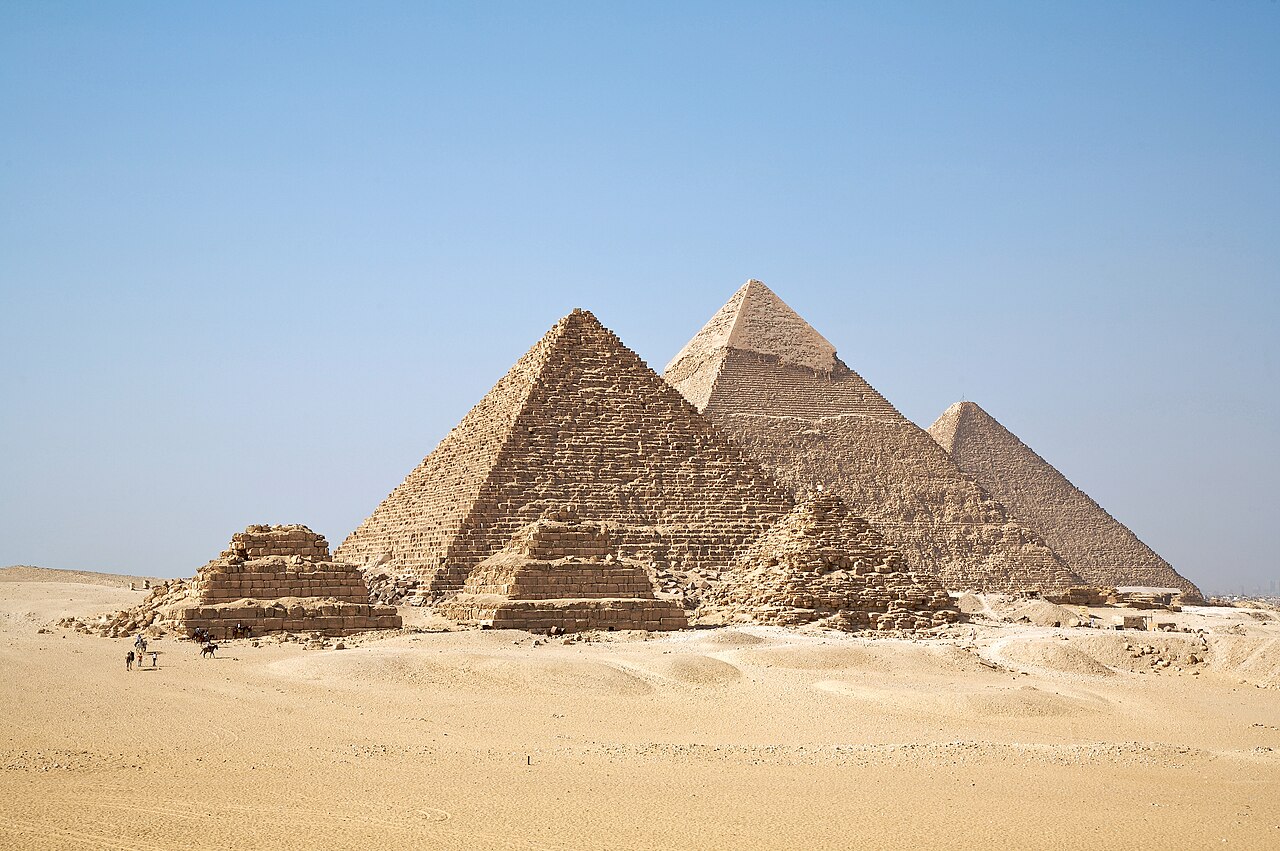
📍 Cairo & Giza
6 DestinationsCairo is one of the world's great, overwhelming cities, a place where five thousand years of history pile up on top of each other and some twenty million people get on with life at full volume. On its western edge, in the suburb of Giza, the Pyramids and Sphinx still stand where the desert meets the sprawl, and beside them the colossal new Grand Egyptian Museum has, since late 2025, given the ancient treasures a home worthy of them. But the city is far more than the pyramids: a medieval Islamic quarter of a thousand minarets, a Coptic Christian enclave inside a Roman fortress, the labyrinth of Khan el-Khalili, and a chaotic, charismatic downtown. Give it at least two to three full days, more if you can, and accept that the traffic, noise and crowds are part of the experience. It suits history lovers, first-time visitors and families alike, and it is where almost every Egypt trip begins before heading south to the Nile Valley or out to the Red Sea.
Explore →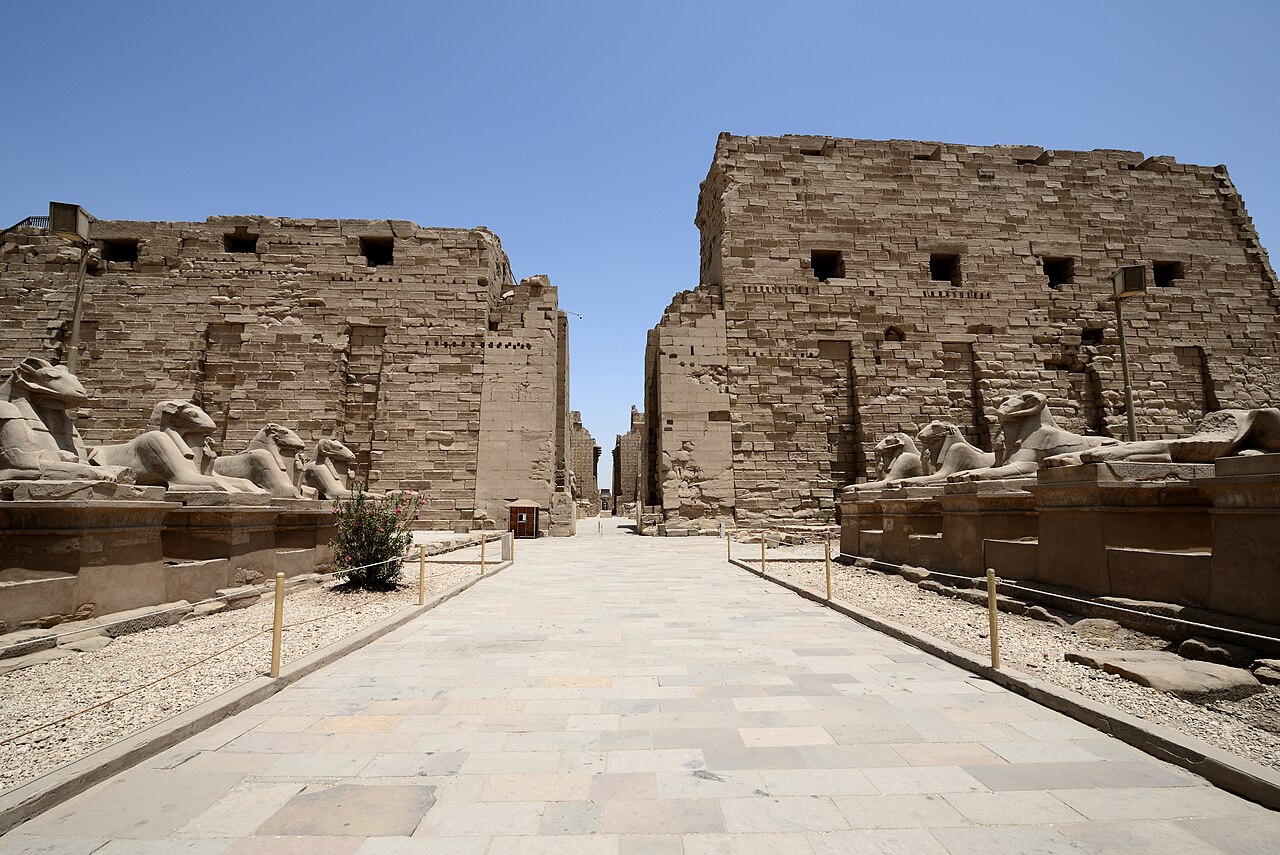
📍 Luxor
6 DestinationsBuilt over the ancient city of Thebes, capital of Egypt at the height of its imperial power, Luxor is often called the world's greatest open-air museum, and for once the cliche is earned. The Nile splits it in two: on the East Bank, the living town and the vast temples of Karnak and Luxor; on the West Bank, the desert realm of the dead, where pharaohs cut their tombs into the Valley of the Kings and raised mortuary temples against the cliffs. You could fill three or four days here and still not see it all, though two focused days cover the essentials. It is the southern gateway of most Nile cruises and an easy hour's flight or a night train from Cairo. The heat is the one caveat, brutal in summer, so aim for winter and start early. For anyone drawn to ancient Egypt, this is the heart of it.
Explore →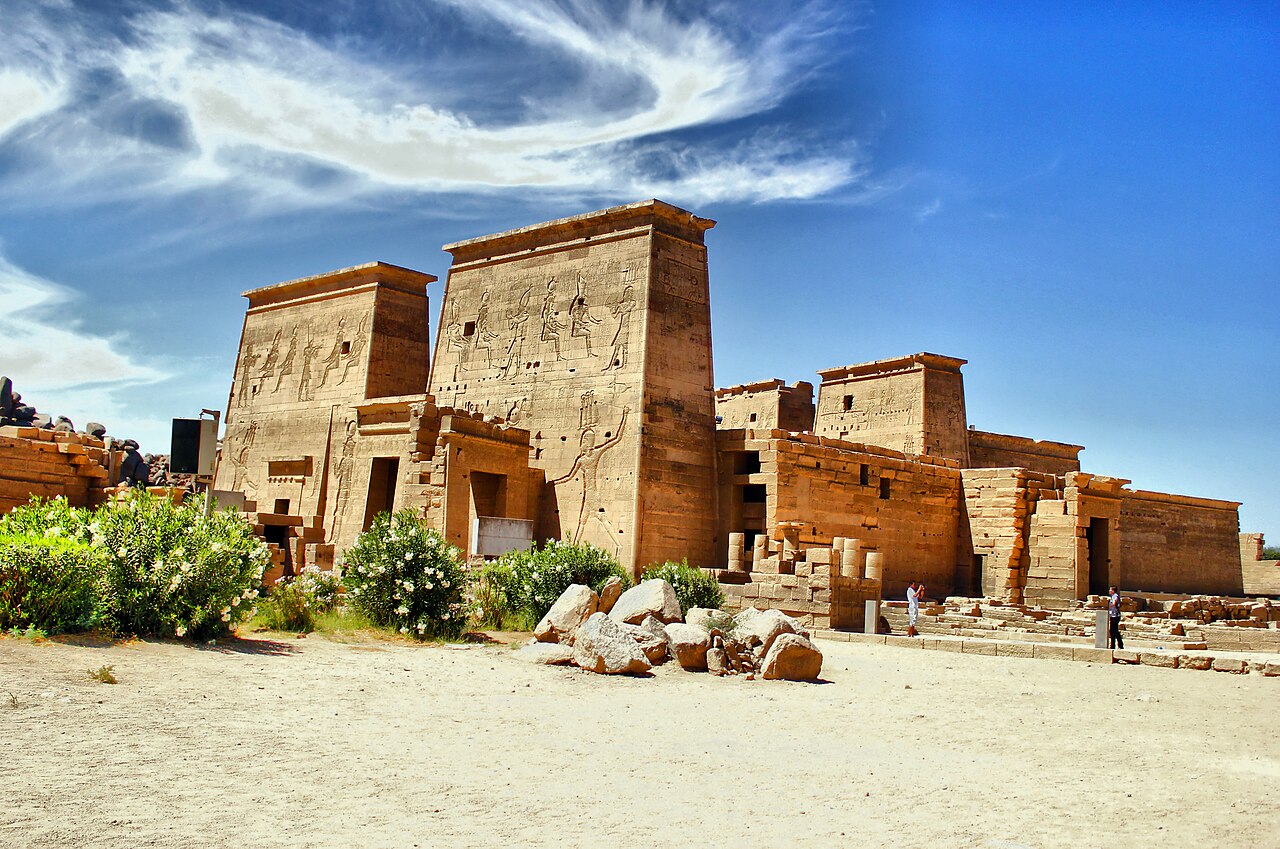
📍 Aswan
6 DestinationsAswan is Egypt's southernmost city and its most relaxed, a sun-warmed frontier town where the Nile is at its most beautiful, threading between granite boulders, palm-fringed islands and tawny desert dunes. This was ancient Egypt's gateway to Nubia and Africa, and Nubian culture is still very much alive here, in the brightly painted villages, the music, the food and the famously easy-going pace. There is less to rush around than in Luxor: a graceful island temple at Philae, the giant Unfinished Obelisk in the old quarries, the High Dam, and above all the simple pleasure of sailing on a felucca at sunset. It is also the launch point for the long day trip to Abu Simbel, deeper south. Two nights is usually enough, and many people arrive on a Nile cruise from Luxor. Come to slow down, drink hibiscus by the river, and watch the white sails drift past.
Explore →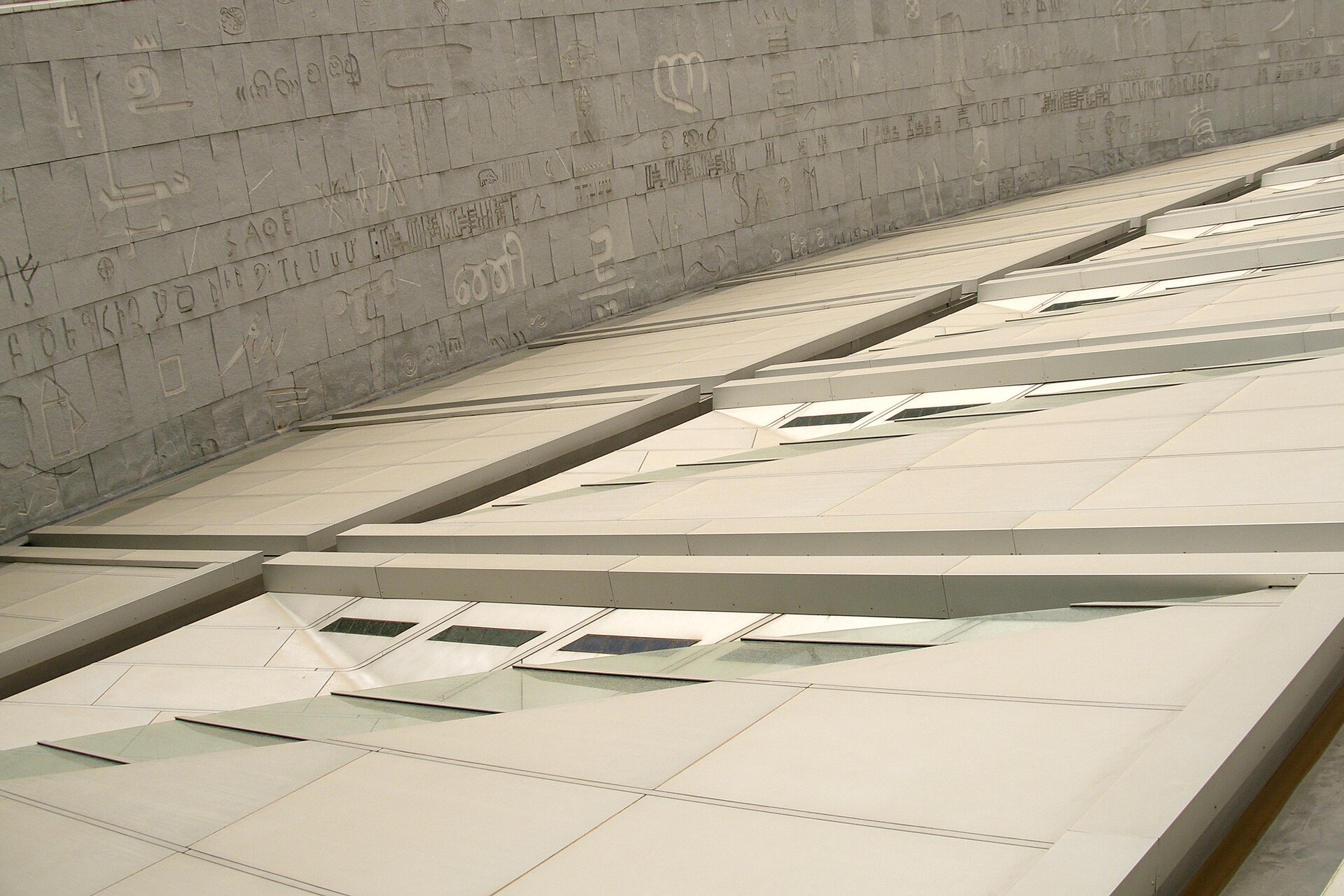
📍 Alexandria
6 DestinationsAlexandria is Egypt's Mediterranean face, a long thin city that turns its back on the desert and looks out to sea, founded by Alexander the Great in 331 BC and once home to the ancient Library and the Pharos Lighthouse, two of the ancient world's greatest institutions. Today it is a working port of faded Belle Epoque facades, Greco-Roman ruins wedged between apartment blocks, and a seafront corniche stretching more than fifteen kilometres where the whole city comes out to walk in the evening. The mood is completely different from Cairo, cooler and breezier and slower, built around seafood and sea views. Most of the headline sights (the modern library, the Roman catacombs, Pompey's Pillar, the Qaitbay fort) sit within a compact arc you can cover in one full day or a relaxed two. It suits travellers who want history without the intensity of Upper Egypt, families escaping the summer heat, and anyone who loves a promenade and a good fish lunch.
Explore →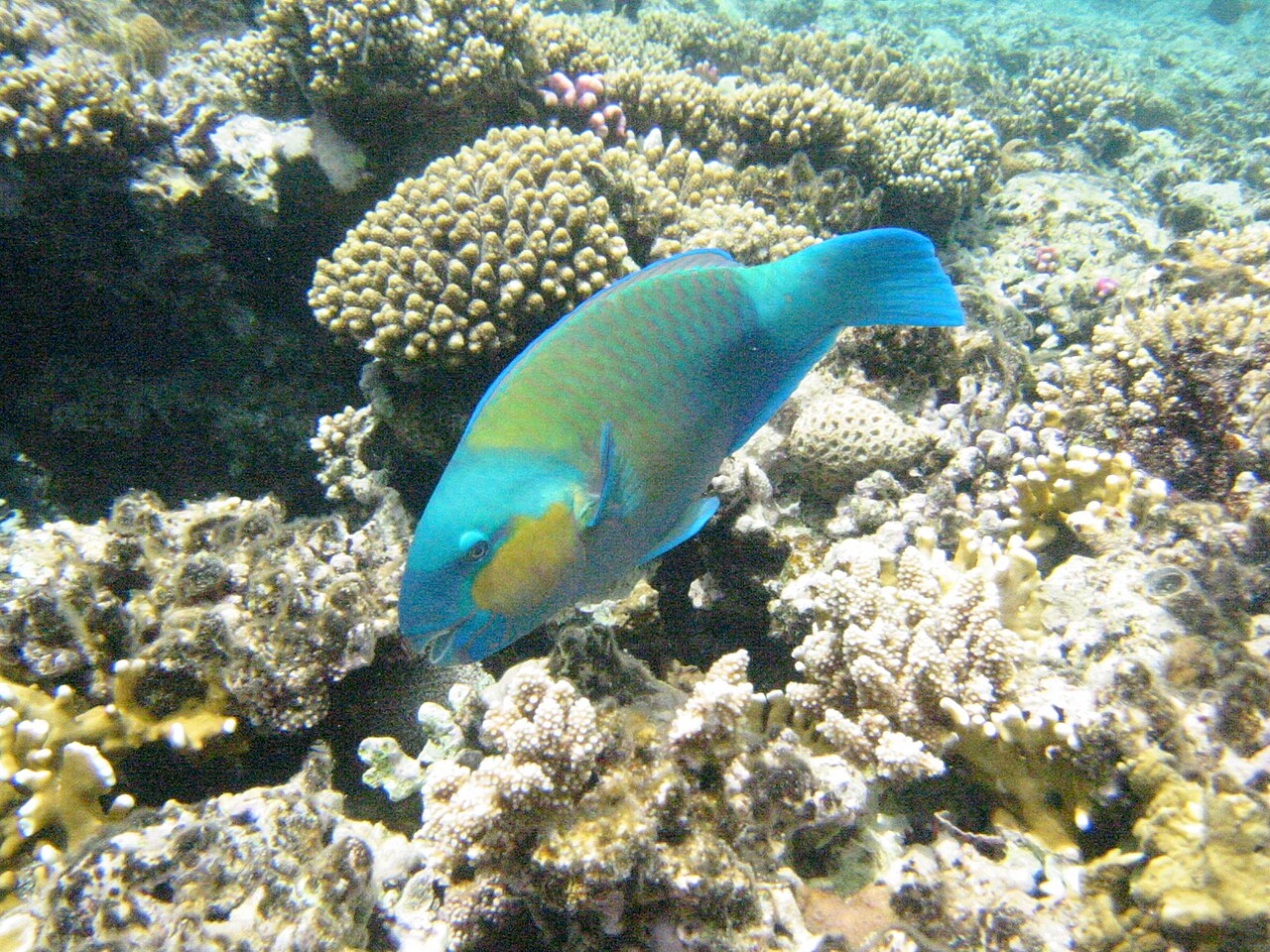
📍 Hurghada
5 DestinationsHurghada is the Red Sea's workhorse resort, a long ribbon of beachfront that grew from a small fishing settlement in the 1980s into Egypt's biggest coastal holiday town, with its own international airport pulling in direct flights from across Europe and the Gulf. Almost nobody comes for the town itself, which is functional and sprawling. They come for what lies in the water. The reefs and islands just offshore are the real destination, offering some of the warmest, clearest, best-value diving and snorkelling anywhere, reliable on nearly every day of the year. On land the offer is all-inclusive resorts, a modern marina for evenings, open desert behind the coast for safaris, and the polished lagoon town of El Gouna up the road for something more upscale. It suits families wanting guaranteed sun and calm shallow beaches, divers and snorkellers of every level, and anyone after a straightforward, good-value sea-and-sun break. Two to four nights is plenty unless you are diving seriously.
Explore →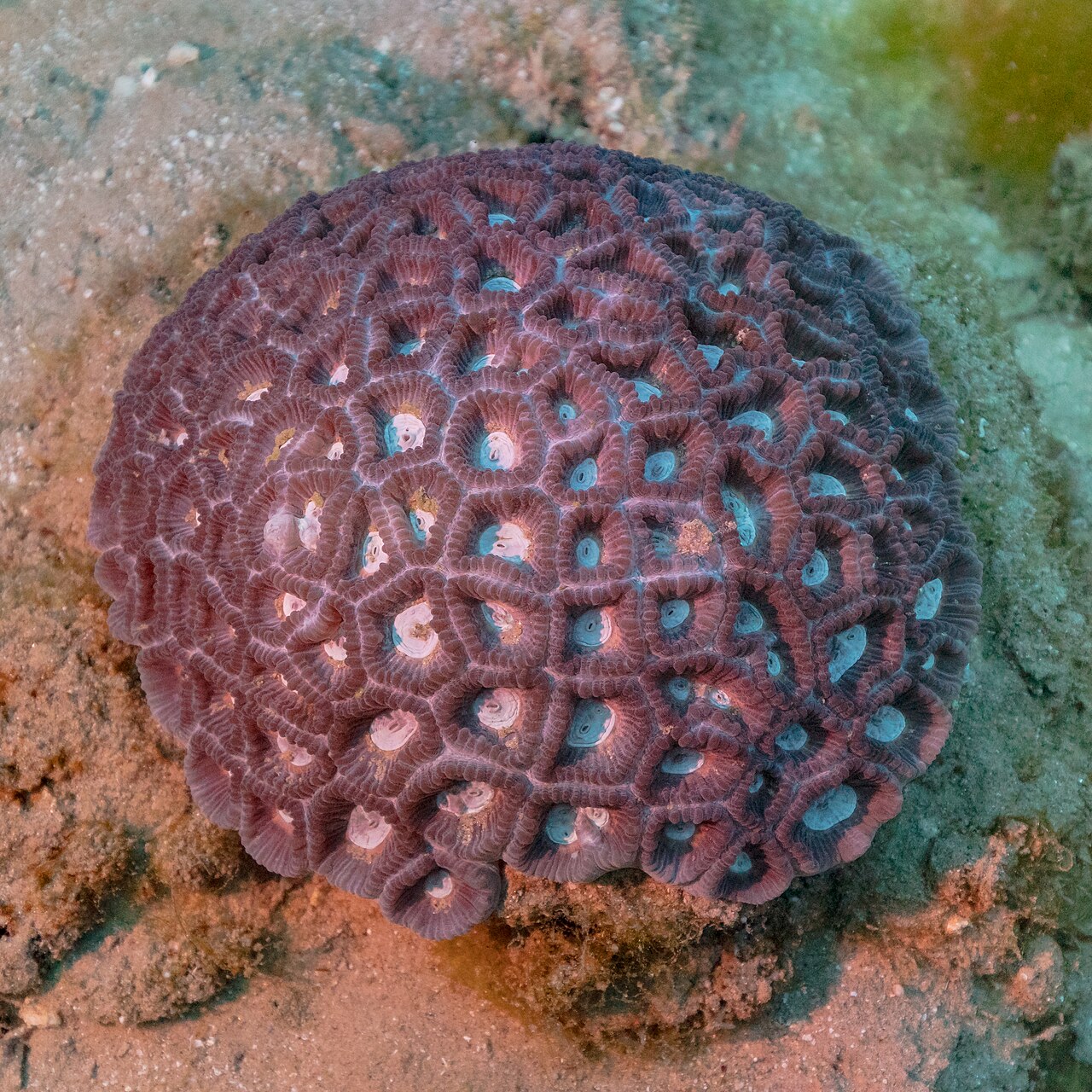
📍 Sharm El-Sheikh
6 DestinationsSharm El-Sheikh sits near the southern tip of the Sinai Peninsula, where desert mountains fall straight into the sea and the Red Sea narrows into the Gulf of Aqaba, giving it what many divers rate as the finest reef diving in the world. It is a more deliberately designed and more contained resort than Hurghada, built around a handful of bays, with Naama Bay as its long-established tourist heart and the older Sharm El Maya and newer districts spread around it. The pull is the underwater world, Ras Muhammad, the Straits of Tiran, and dozens of walls and drop-offs where the coral falls away into deep blue, but the Sinai setting adds desert safaris and the ancient pilgrimage route up Mount Sinai to St Catherine's Monastery inland. It is calm, sunny, and holiday-oriented almost year-round, with warm water even in winter. It suits divers and snorkellers above all, families wanting a safe, self-contained sunny resort, and travellers who want to pair reefs with a taste of Sinai's desert and history. Three to five nights is a natural stay.
Explore →❓FAQ
When is the best time to visit Egypt?
October to April is the prime season, with comfortable temperatures for sightseeing across the whole country, and November is often the single best month. For the temples of Luxor, Aswan, and Abu Simbel, aim for November to February, when Upper Egypt is pleasantly warm rather than scorching. The Red Sea resorts work all year; spring and autumn give the best mix of warm water and bearable land heat, while summer is hottest inland but great for diving.
How many days do I need for the pyramids and a Nile cruise?
A satisfying first trip is usually about seven to ten days: two to three days in Cairo and Giza for the pyramids and museums, then a flight south to Luxor to join a three-to-four-night Nile cruise down to Aswan (taking in Karnak, the Valley of the Kings, Edfu, Kom Ombo, and Philae), with an optional day trip to Abu Simbel. Add three or four nights on the Red Sea at the end if you want to finish with beach and diving time.
Is Egypt a good destination for families, especially from the Gulf?
Yes. Egypt is very family-friendly and especially easy for Gulf and Arab families: Arabic is the local language, halal food is standard everywhere, prayer facilities are everywhere, and there are direct flights of only a few hours from every GCC city. The mix of pyramids and history, calm Red Sea beaches, resorts used to hosting families, and strong value for money makes it work for all ages, from young children to grandparents.
What is a Nile cruise and is it worth it?
A Nile cruise is a floating hotel that sails the ancient stretch of river between Luxor and Aswan, typically over three to four nights, stopping to visit the major temples along the banks (Edfu and Kom Ombo) with guided tours included. It is one of the most relaxed and rewarding ways to see the pharaonic heartland, since you unpack once, wake up beside different monuments each day, and watch timeless riverside life drift past between sites. For most first-time visitors it is a highlight of the whole trip.
Do I need a visa to enter Egypt?
Most visitors need a visa, but the process is generally simple. Many nationalities can apply for an Egypt e-Visa online before travel or obtain a visa on arrival at the main airports, and some GCC nationals have simplified entry. Because the rules vary by passport and change over time, check the requirements for your nationality and use only the official Egyptian e-Visa portal (visa2egypt.gov.eg) for any online application. Ensure your passport has at least six months of validity remaining.
How do I get around Egypt?
Distances are large, so most trips combine several modes. Domestic flights on EgyptAir quickly link Cairo with Luxor, Aswan, Hurghada, and Sharm El-Sheikh. Comfortable trains, including sleeper services, run the Nile corridor from Cairo to Luxor and Aswan, and fast trains reach Alexandria. Within cities, ride-hailing apps like Uber and Careem are the easiest option, while private cars with a driver are the norm for touring the sites. Seen Travels can arrange transfers, drivers, cruises, and full multi-city programs so the logistics are handled for you.
✈️ Plan your trip with Seen