📍Destinations — Hurghada
Pick a destination for full details
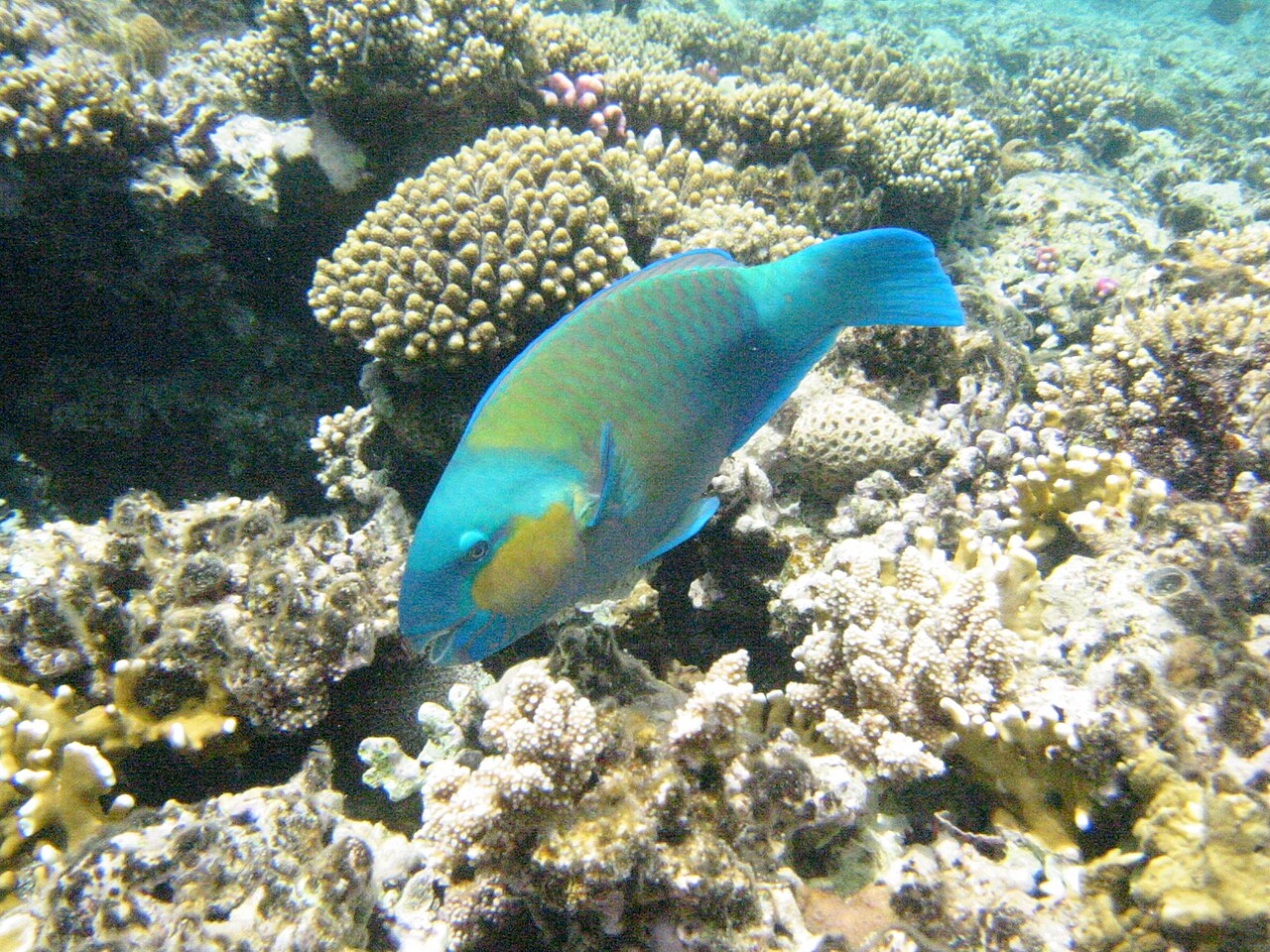
Red Sea reefs (diving & snorkeling)
Diving & reefsThe reefs off Hurghada are the reason the town became a resort, and they deliver: warm water (rarely below about twenty-two degrees Celsius even in winter), visibility often measured in tens of metres, and a wall of colour just under the surface. A short boat ride reaches a string of offshore reefs and islands, with named sites like Umm Gamar, Shaab El Erg (where you have a real chance of swimming near wild dolphins), and Abu Nuhas, a reef ringed by old shipwrecks that draws divers from around the world. You will see hard and soft corals, clouds of anthias and butterflyfish, moray eels, lionfish, pufferfish, and often turtles. It is one of the best places anywhere to learn: PADI and SSI dive centres are everywhere, the water is calm and forgiving, and a beginner's discover-scuba session or a full open-water course costs a fraction of Mediterranean or Caribbean prices. Snorkellers get almost as much, since the coral starts close to the surface.
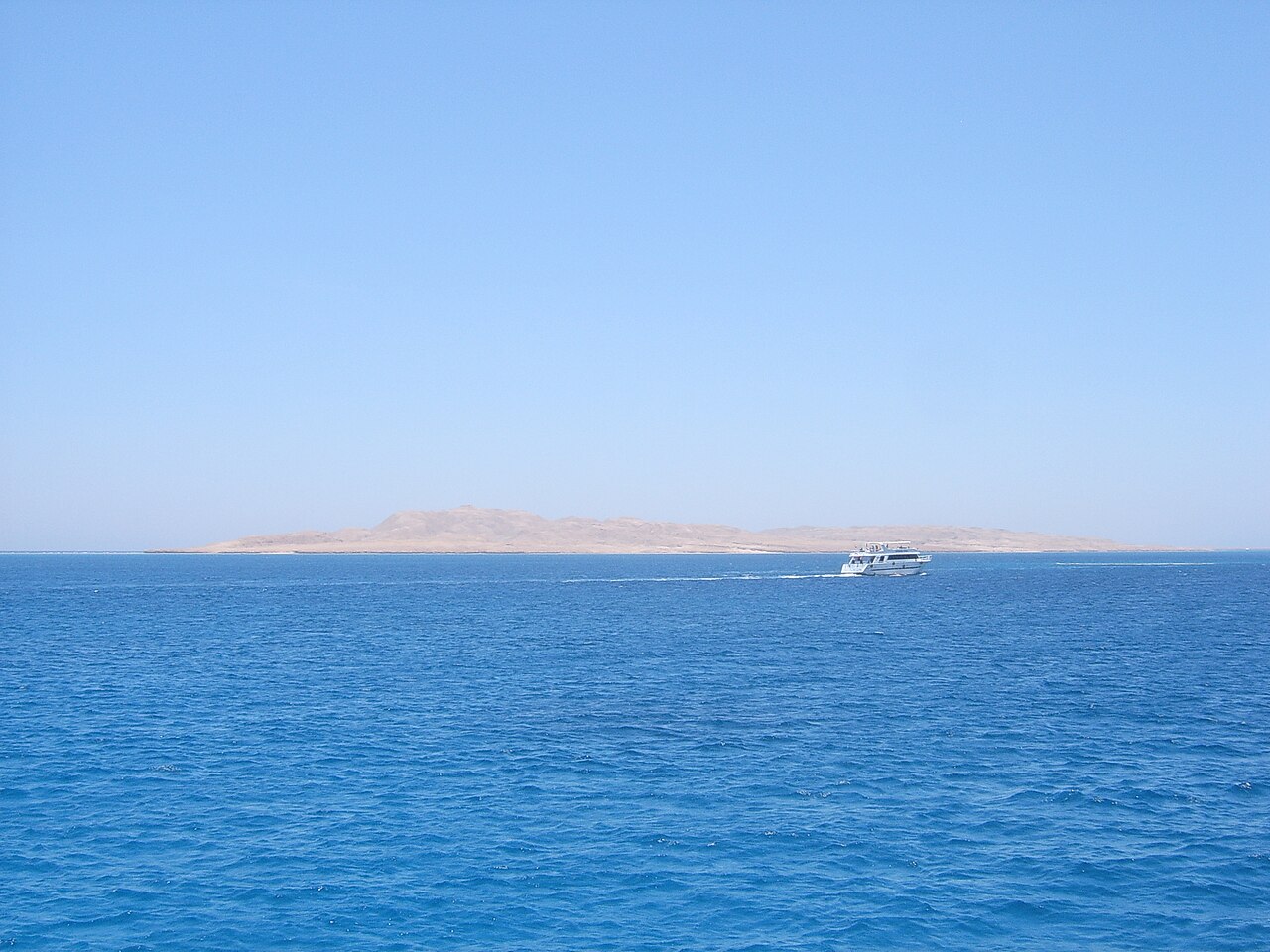
Giftun Island & Orange Bay
Island & beachGiftun is a protected desert island roughly a boat-hour off Hurghada, fringed by some of the most photogenic water on the coast: broad shallows in impossible shades of turquoise over white sand, edged by living reef. Its famous corner, Orange Bay on Big Giftun, has become the postcard image of Hurghada, with a sandbar you can wade far out along and beach clubs offering loungers, umbrellas, and lunch. Because Giftun is a nature-protected area, boats pay a small conservation fee and are meant to moor rather than drop anchor on the coral. The classic outing is a full-day trip combining a couple of snorkel stops on the surrounding reefs with beach time on the island. It can get busy, especially at the developed beach clubs, so the quality of the day depends heavily on the operator and how early they get you there. The snorkelling straight off the island is genuinely good.
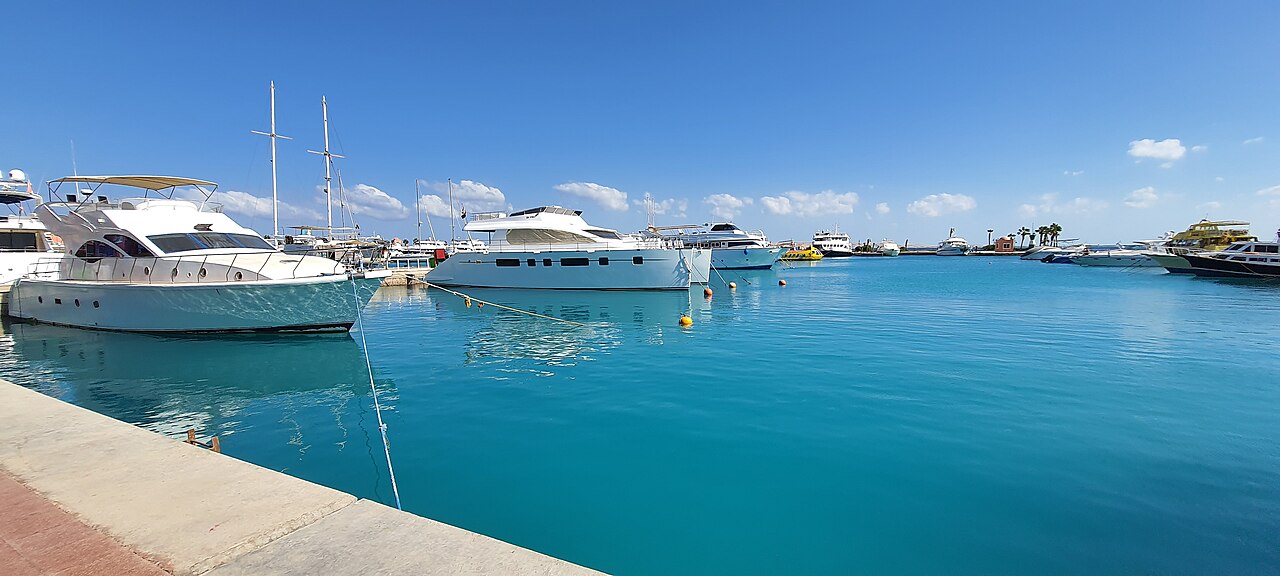
Hurghada Marina
Marina promenadeThe Marina Boulevard is Hurghada's most pleasant corner on land and the natural place to spend an evening. A curving promenade wraps around a working yacht harbour lined with dive boats, luxury cruisers, and traditional wooden vessels, backed by a strip of restaurants, seafood grills, shisha lounges, cafes, and bars. By day it is the departure point for many of the snorkel and dive trips; by night it fills up with a strolling crowd, the boats lit along the quay, and waiters calling from the waterfront tables. It is more polished and hassle-light than the old Sekala and Dahar districts, with fixed-menu restaurants rather than hard-sell bazaars, though you will still be invited in at every door. A small point topped with a lighthouse at the far end makes the best photo across the harbour. It is not a sight, exactly, but it is the closest Hurghada comes to a genuinely nice place to walk, eat, and watch the water after a day at sea.
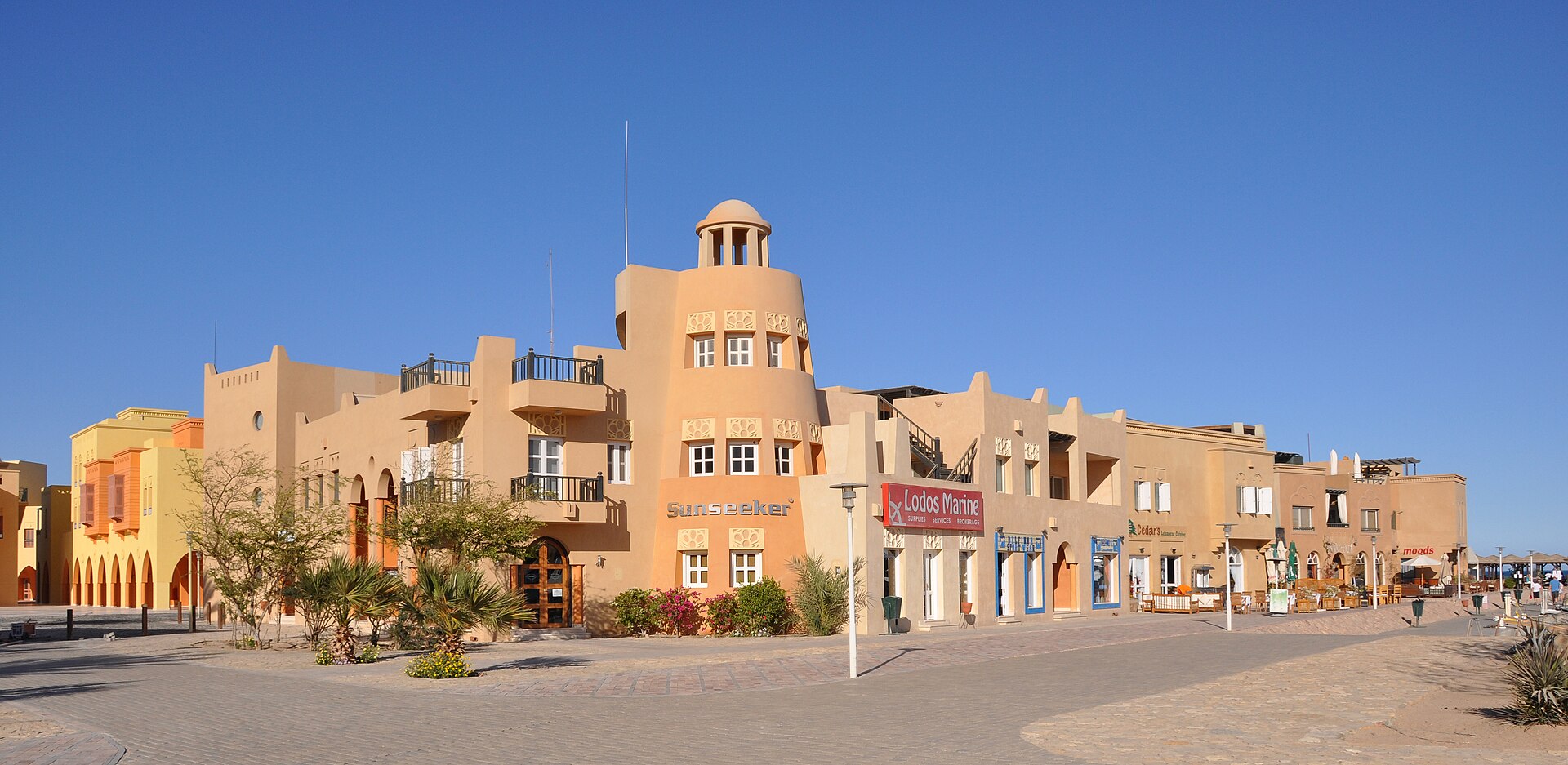
El Gouna
Lagoon resort townAbout twenty-five kilometres north of Hurghada, El Gouna is a private, purpose-built resort town that feels like a different country from the rest of the coast: a car-light network of islands and lagoons linked by bridges and little boats, built by an Egyptian developer from around 1990 in a soft, low-rise Mediterranean style. It is laced with saltwater canals (locals call it the Egyptian Venice) and revolves around three hubs, the Marina, the Downtown quarter, and Tamr Henna square, all thick with boutiques, international restaurants, and bars. There is an eighteen-hole golf course, a lagoon-side beach scene, dependable wind for kitesurfing, and a nightlife that is lively by Egyptian standards, plus film and cultural festivals through the year. It draws a wealthier, younger, more international crowd than mass-market Hurghada. You can drop in for a meal, a beach day, or a night out, or base yourself here entirely if you value polish over the value further south.
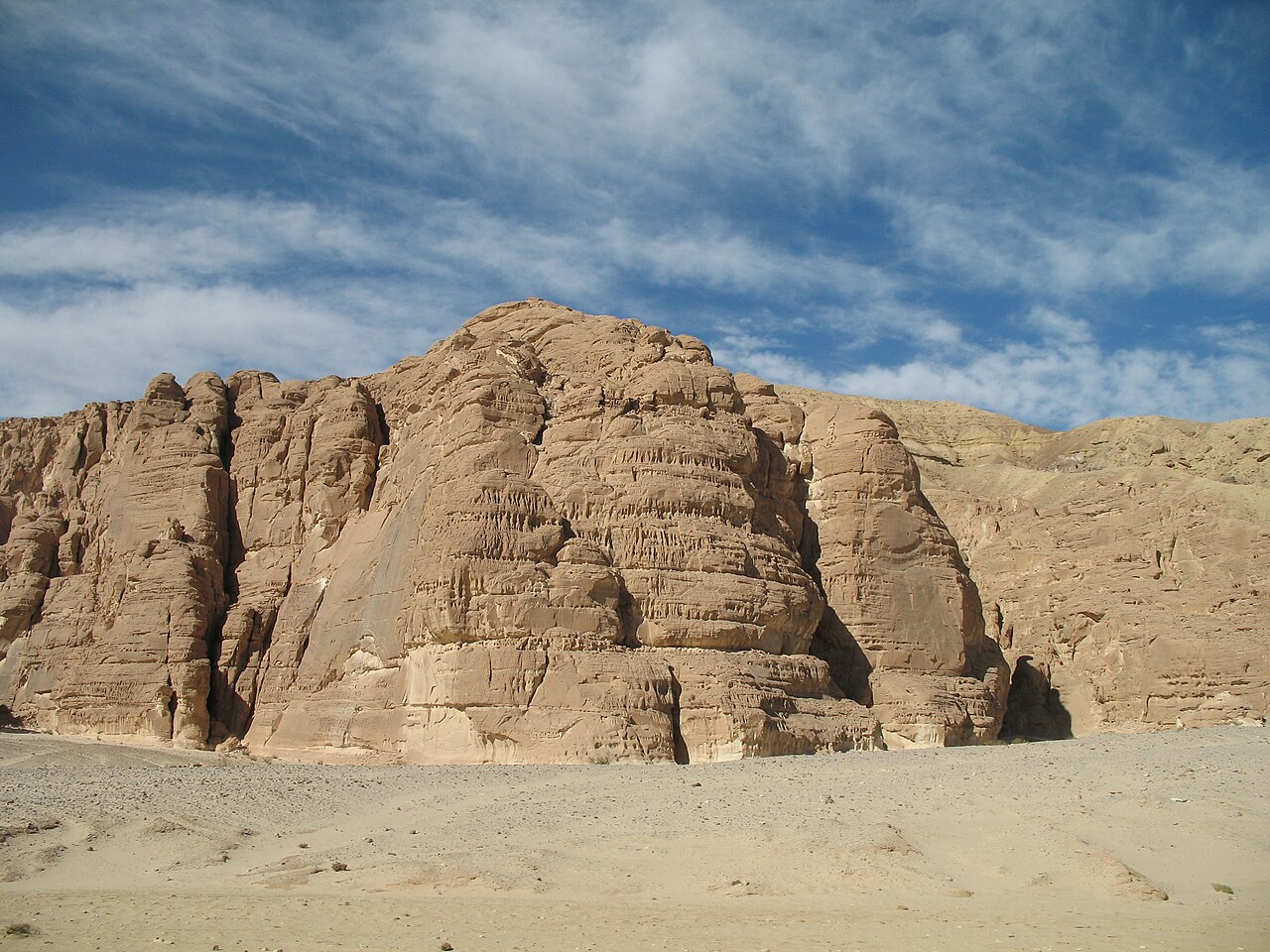
Desert safari
Desert excursionBehind the coastal strip the Eastern Desert rises into bare mountains, and the standard Hurghada excursion trades the sea for sand and sky. Trips usually bundle a convoy of quad bikes or buggies across the flats, a spin in a 4x4, a short camel ride, and a stop at a Bedouin village set up for visitors, ending with a barbecue dinner, sweet tea, a little music and dancing, and the real payoff, stargazing under some of the clearest, darkest skies you will ever see, far from any city glow. It is frankly touristy and the authentic-Bedouin framing is a show, but the desert landscape at sunset is real and beautiful, and the quad-biking is proper fun. It is dusty work, so it is a poor choice if you have breathing trouble, and the whole timing is built around catching the sunset and then the stars.
🎯Things to do & experiences — Hurghada
The core Hurghada experience. Day boats run to the reefs and islands with two or three dives, gear, and lunch, while serious divers take multi-day liveaboards north to the wrecks of Abu Nuhas (including the Giannis D and the Carnatic) or the far offshore reefs. Book through a reputable, certified centre, check the boat's safety and oxygen kit, and never dive to a schedule that pressures you past your training level.
Non-divers get almost the whole show. A day boat to Giftun, Orange Bay, or Paradise Island combines several snorkel stops over shallow, fish-heavy reef with beach and sandbar time. Bring your own mask and snorkel if you can, since rental quality varies a lot, and pack reef-safe sun cream and a rash top, because the midday sun on the water is fierce.
For anyone who would rather stay dry (young children, grandparents, non-swimmers), semi-submarines and glass-bottom boats cruise the house reefs so you can watch the coral and fish through underwater windows. It is a gentle, comfortable way to see the reef without getting in, and an easy add-on for a mixed-ability family group.
A dedicated boat trip to the horseshoe reef of Shaab El Erg, known as Dolphin House for the resident pod of spinner dolphins. Sightings are never guaranteed, and responsible operators keep their distance and never chase or corral the animals, but swimming near wild dolphins is a real possibility. Choose a boat with a clear no-harassment policy, and treat any encounter as a lucky bonus rather than a promise.
Hurghada is the closest Red Sea resort to the Nile Valley, and a long day trip to Luxor (roughly a three-and-a-half to four hour drive each way) is a popular way to fit the pharaonic headline sights, Karnak and the Valley of the Kings, into a beach holiday. It is a very long day on the road, so an overnight in Luxor is the gentler, more rewarding option if your schedule allows it.
The steady Red Sea wind makes this coast, especially the flat lagoons around El Gouna and the spots just south of Hurghada, one of the world's better places to learn kitesurfing and windsurfing. Schools rent gear and run courses for every level, from a first taster to advanced coaching, and the shallow, warm, open water is forgiving for beginners.
🍴Where & what to eat — Hurghada
Dining in Hurghada splits between the all-inclusive resort buffets where most visitors eat and the independent restaurants of the marina, Sekala, and Dahar districts in town. Seafood is the natural local strength, with Red Sea fish, calamari, and prawns alongside Egyptian staples and a lot of international menus aimed at the tourist crowd. The best food outside the resorts is where the locals and long-stay residents actually eat, in the older parts of town rather than the resort strip.
The obvious choice on the coast: fish restaurants, many around the marina and the older Sekala area, sell the day's catch by weight, grilled or fried and served with rice, salad, and tahina, much like Alexandria but with Red Sea species. Confirm the price per kilo before it is cooked, as this is where surprise bills happen.
Egyptian-style seafood cooked in a clay tagen (a baked casserole of shrimp or fish with tomato, garlic, and chilli) or as sayadeya (fish over spiced onion rice) turns up on most local menus. Both are more interesting and more Egyptian than a plain grill, and they travel well as a shared table dish.
The older Dahar district has the most local feel, with cheap, good koshari (the national bowl of rice, pasta, lentils, and crisp fried onion), shawarma, taameya (Egyptian fava-bean falafel), and fresh juice stands, all well away from the resort strip and its prices.
For a proper night out, El Gouna's Marina and Downtown deliver the coast's widest range of quality restaurants, from Italian and Lebanese to sushi and seafood, in a polished waterfront setting. Prices match the setting, but the standard and the atmosphere are a clear step up from mass-market Hurghada.
Hurghada Marina is the town's most reliable eating strip, with a run of seafood grills, shisha lounges, and cafes along the water. The atmosphere is better and the hard-sell softer than the bazaar restaurants of the old town, which makes it the easy default for a relaxed dinner by the boats.
Egypt's summer mangoes and its year-round fresh juices (mango, guava, sugarcane, and hibiscus known as karkadeh) are cheap and sold everywhere. A juice stop is part of the routine after a day in the salt water, and the mango in season is worth going out of your way for.
Plan your trip with Seen