📍Destinations — Sharm El-Sheikh
Pick a destination for full details
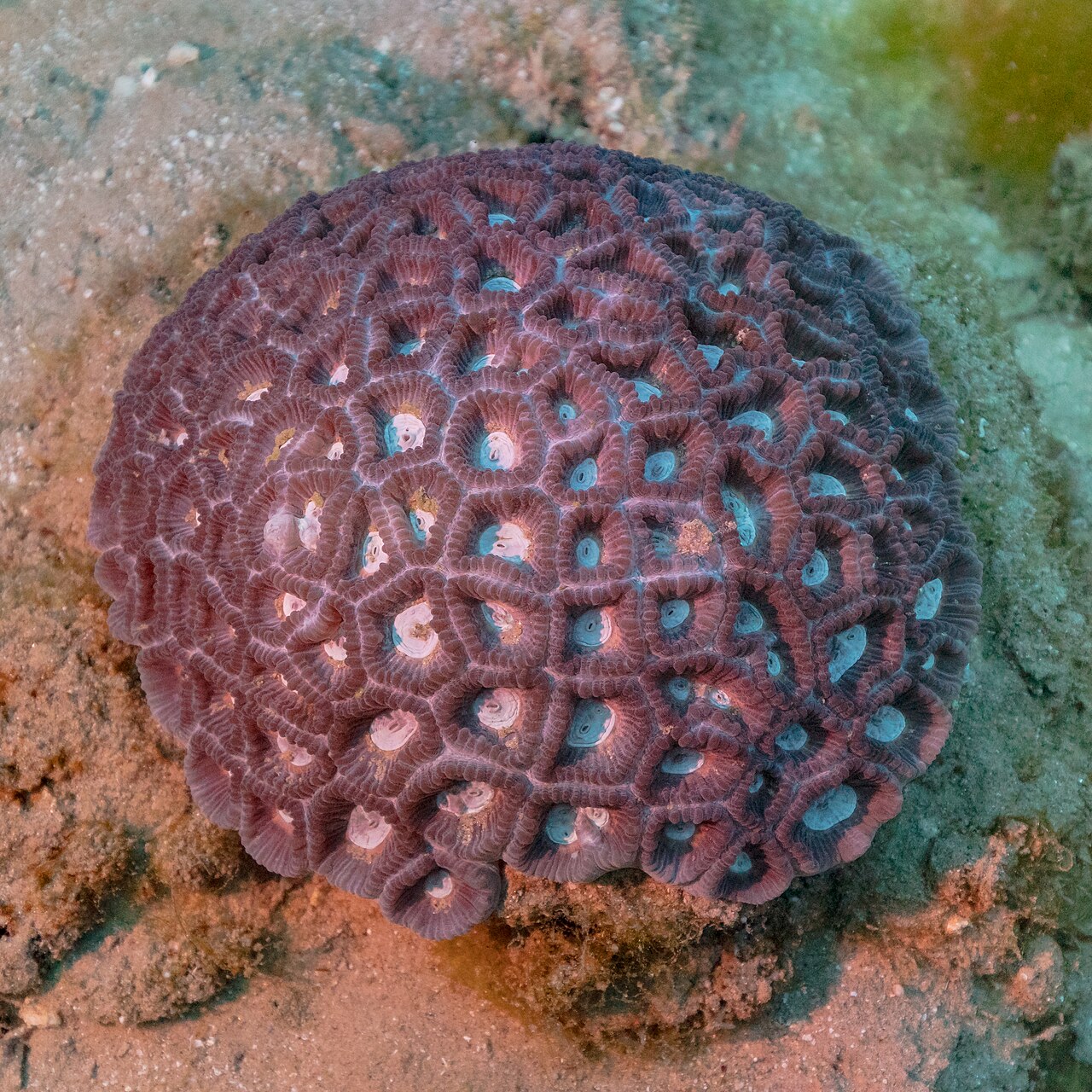
Ras Muhammad National Park
Marine national parkRas Muhammad, at the very southern tip of Sinai where the Gulfs of Suez and Aqaba meet, is Egypt's first and most important marine national park, and for many divers it is the single best reason to come to Sharm. Underwater, sheer coral walls plunge hundreds of metres into deep blue, and the current-swept points draw in big pelagic life: barracuda, jacks, tuna, huge schools of snapper, reef sharks, and turtles, over some of the densest hard and soft coral in the Red Sea. The legendary sites are Shark Reef and Yolanda Reef, usually dived together on one drift, the latter scattered with the cargo (famously including a load of toilets and bathtubs) of a wrecked freighter. Above water it is stark desert meeting mangrove and turquoise lagoon, with a few shore-snorkelling spots and the clifftop Shark Observatory viewpoint. Snorkellers can enjoy the shallower reefs, but the wall dives are the real headline. Entry is ticketed as a protected area.
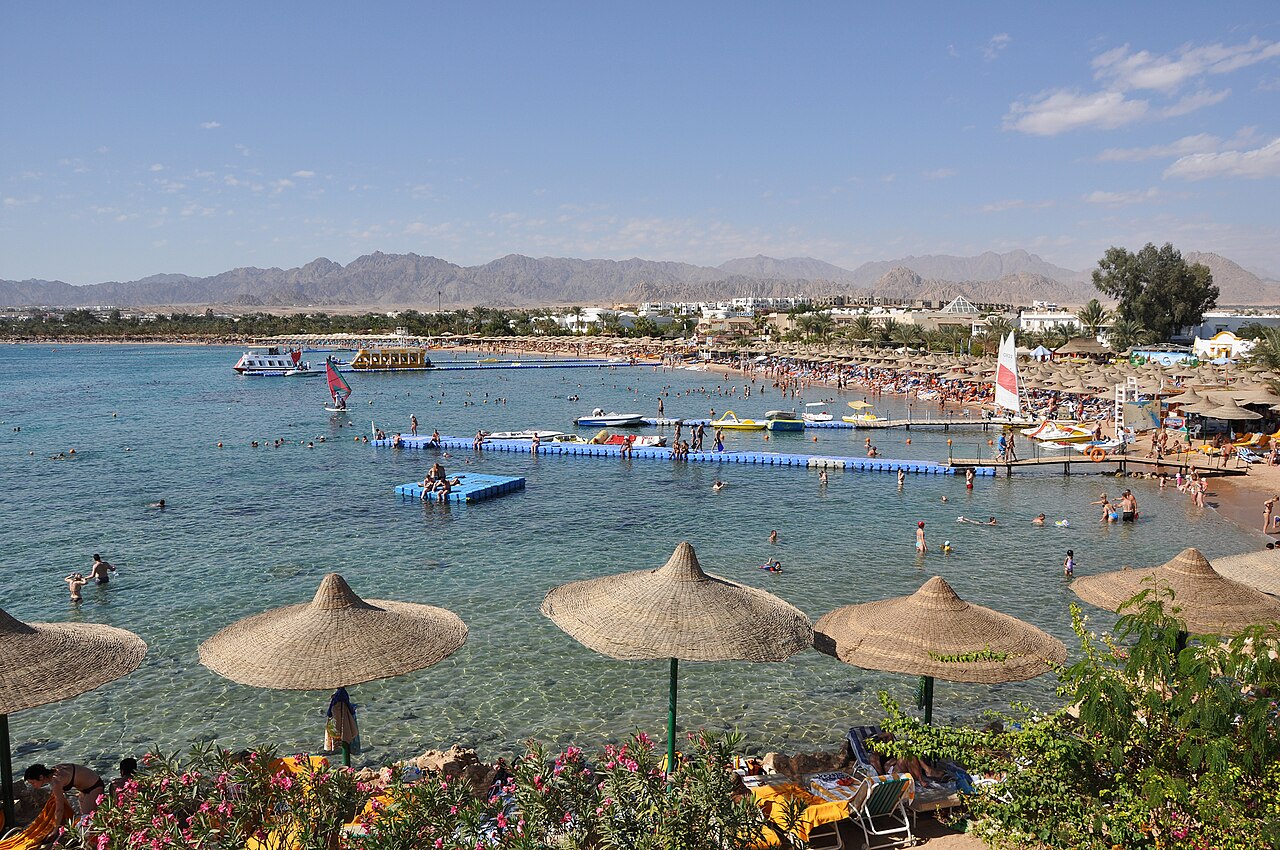
Naama Bay
Resort bayNaama Bay is the original resort heart of Sharm, a horseshoe of beach and hotels built up from the 1980s into the town's main promenade of shops, restaurants, cafes, bars, and dive centres. A pedestrianised boulevard set back from the sand fills up in the evening with a strolling, browsing, shisha-smoking crowd, and it is the most concentrated place to eat, shop for souvenirs, and go out after dark. The beach itself is calm and family-friendly, with a gently shelving entry, though the good coral is out at the reef edges rather than off the sand here. It has faded a little as newer areas and all-inclusive resorts further out have drawn off some of the crowd, and the hard-sell from shops and touts can wear you down, but it stays the most walkable, sociable corner of Sharm and the easiest base if you want life on your doorstep rather than a sealed resort compound.
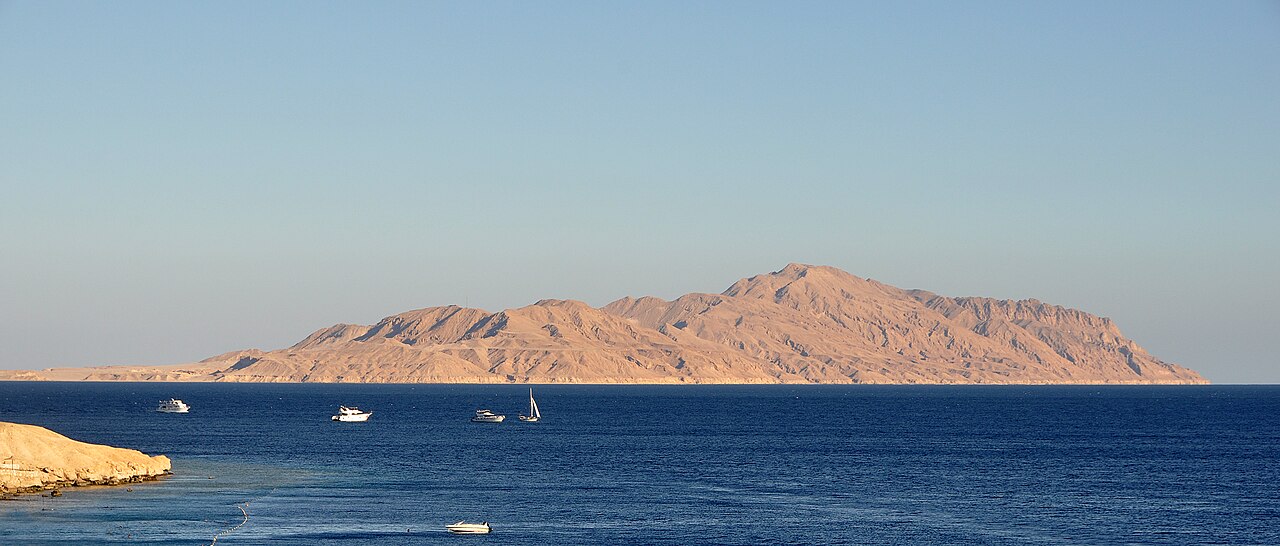
Straits of Tiran
Diving straitsThe Straits of Tiran are the narrow channel between the Sinai coast and Tiran Island, where the Gulf of Aqaba squeezes shut and four great reefs rise almost to the surface right in the shipping lane, named after the nineteenth-century cartographers who charted them: Jackson, Woodhouse, Thomas, and Gordon. They rank among the most celebrated dive and snorkel sites in the Red Sea, with strong currents feeding vivid coral, big schools of fish, frequent turtles and eagle rays, and, at Jackson Reef, a chance of sharks in season plus the rusting wreck of the Lara freighter marooned on the reef top. Because the coral comes so near the surface, the shallower reefs (Gordon especially) are superb for snorkelling from a boat as well as for diving. It is a standard full-day boat trip from Sharm, usually combined with a stop in the sheltered water behind the reefs for lunch and swimming. Conditions can be current-swept, so trips are weather-dependent.
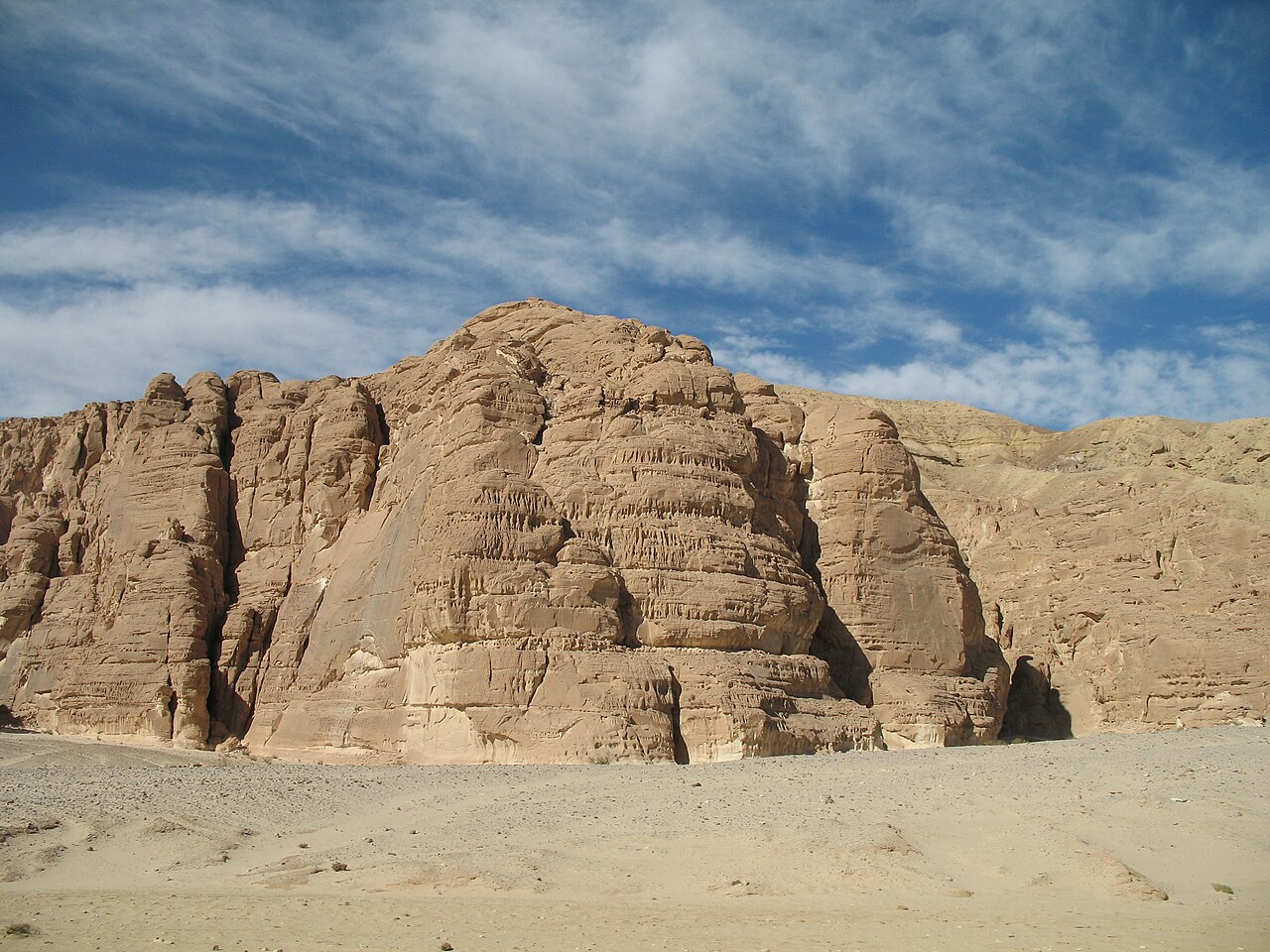
Desert safari
Desert excursionSharm's desert safaris head inland into the raw Sinai interior, a landscape of coloured rock, wadis, and mountains quite different from the flat coastal desert further west. The typical afternoon-into-night trip strings together quad bikes or buggies over the sand, a camel ride, and a visit to a Bedouin camp, finishing with a grilled dinner, sweet tea, and stargazing under skies so clear the Milky Way is easy to pick out. Some operators run to more distinctive spots such as the Coloured Canyon near Nuweiba, a narrow slot canyon of banded sandstone, or a sunset high in the mountains, which are far more rewarding than the standard camp routine. As with every Red Sea safari, the Bedouin experience is staged for visitors, but the desert itself and the star-filled sky are entirely real. It is dusty and turns genuinely cold once the sun drops, so cover up and pack a warm layer.
St Catherine's Monastery & Mount Sinai
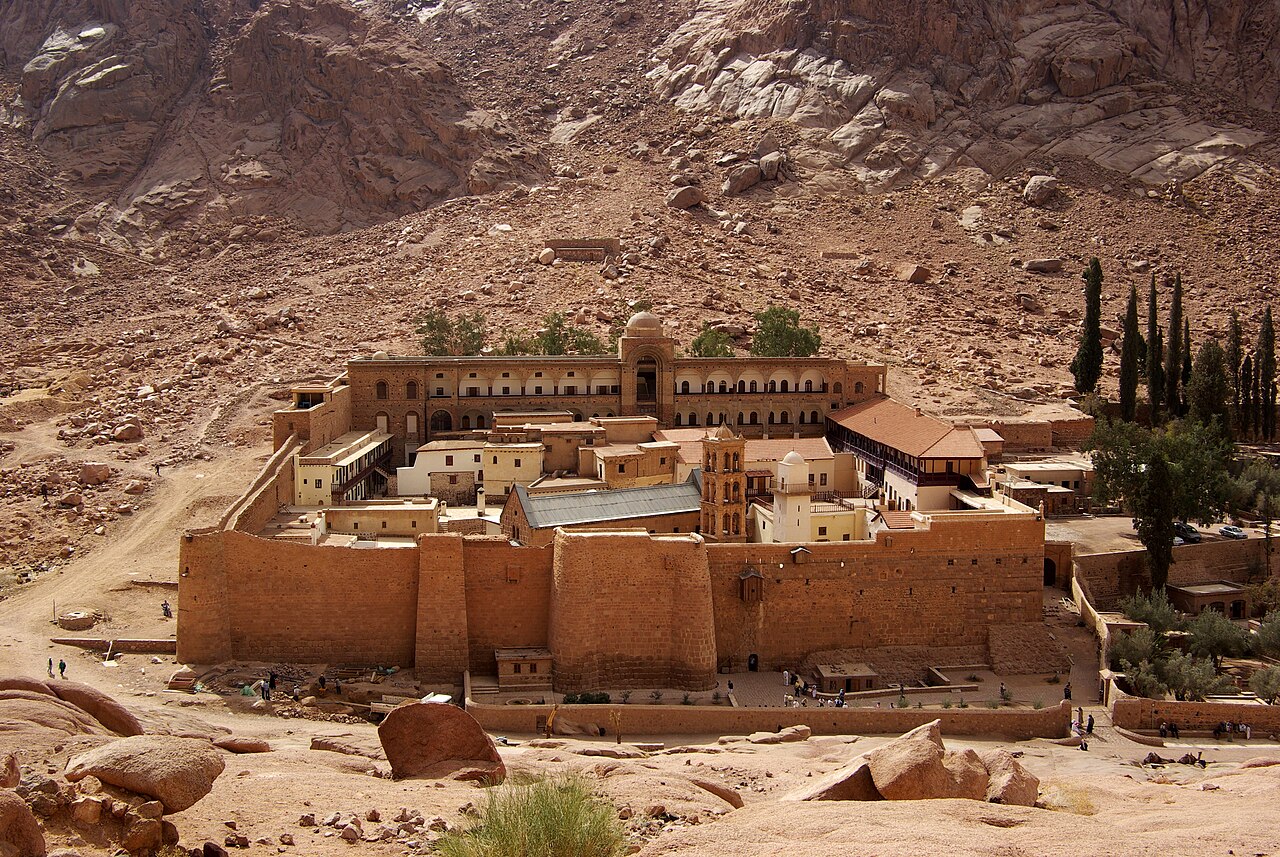
Monastery & mountainInland, a two-hour-plus drive up into the Sinai mountains, sits St Catherine's, one of the oldest continuously inhabited Christian monasteries in the world, founded in the sixth century by the emperor Justinian around the site traditionally identified as the biblical Burning Bush. Behind its fortress walls it guards an extraordinary library of ancient manuscripts, second only to the Vatican's, and a collection of early icons that survived the ages, and a living bush said to descend from the original still grows in the courtyard. Above it rises Mount Sinai, Jebel Musa, where Moses is said to have received the Ten Commandments. The classic pilgrimage is to climb it before dawn, by the camel path or the steep Steps of Repentance, to watch the sunrise from the 2,285-metre summit. It is a long, early, physically demanding excursion, usually starting in the middle of the night, and the monastery keeps limited hours, so trips are tightly timed.
Old Market (Sharm El Maya)
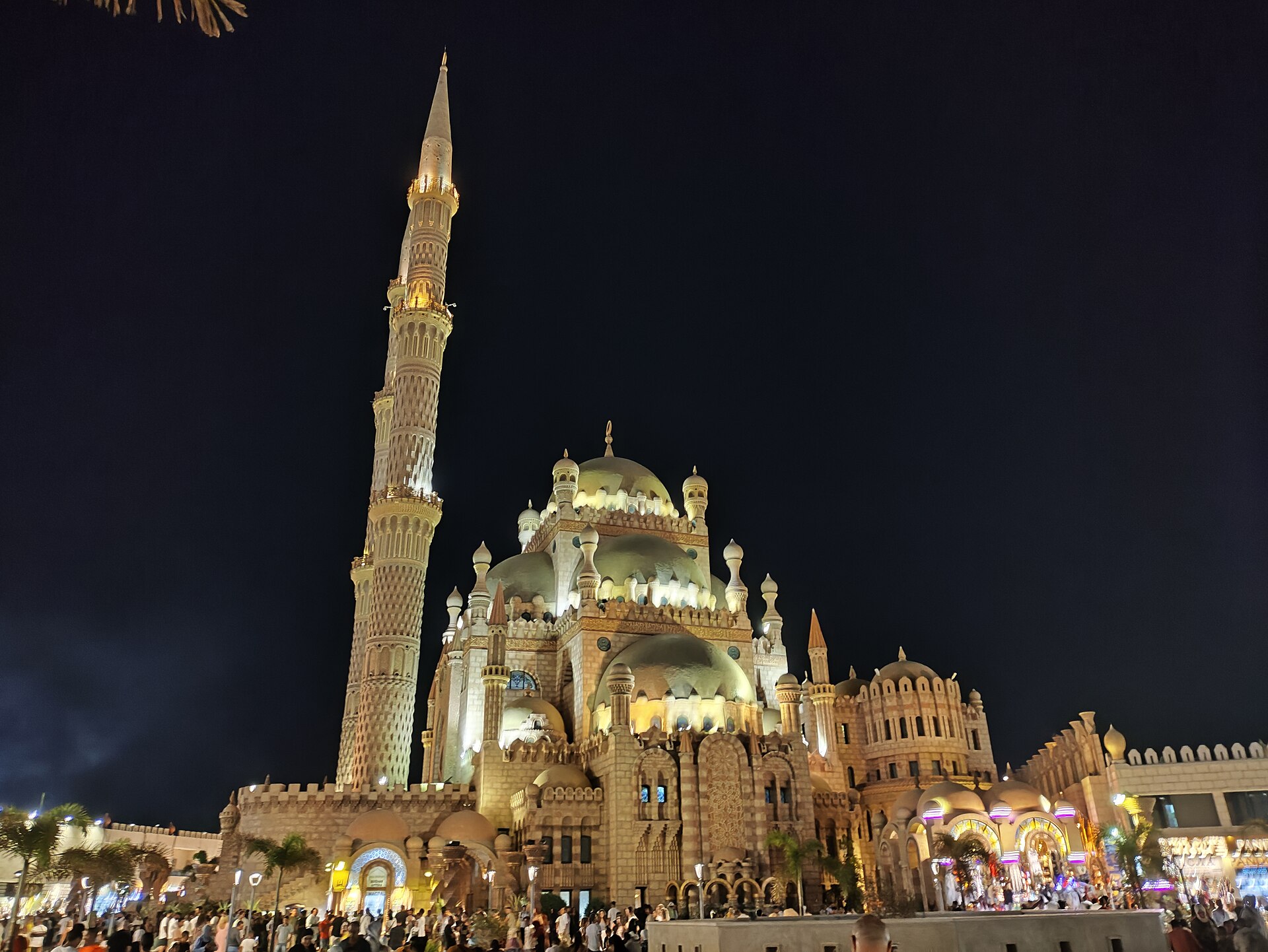
Old bazaarThe Old Market in Sharm El Maya, down near the port, is the town's most local and atmospheric quarter, an antidote to the polished resort strips. Its main lane and the alleys off it are lined with spice sellers, souvenir and perfume shops, jewellers, clothing stalls, shisha cafes, and a run of no-frills seafood and grill restaurants where Egyptians and in-the-know visitors eat for a fraction of Naama Bay prices. In the evening it comes alive with the smell of grilled fish and shisha, vendors calling out, mounds of coloured spices and dried hibiscus, and a genuinely Egyptian buzz. The hard-sell is real and bargaining is expected, so it helps to arrive in a haggling mood. It is the best place in Sharm to buy spices, karkadeh (hibiscus tea), and souvenirs at something close to fair prices, and to eat a cheap, good fish dinner among locals rather than tourists.
🎯Things to do & experiences — Sharm El-Sheikh
Sharm is a diving mecca. Beyond Ras Muhammad and Tiran, boat and shore dives reach the wall at Shark Reef, the coral gardens off Ras Um Sid, and, on a longer trip, the wreck of the SS Thistlegorm, a British cargo ship sunk in 1941 that ranks among the greatest wreck dives on earth, still loaded with trucks, motorcycles, and rifles. Certified centres run everything from a first beginner course to technical deep dives.
You do not have to dive to see the best of it. Boat trips to Tiran, the Ras Muhammad lagoon, and the local reefs give snorkellers walls of coral and fish just below the surface, and several shore-accessible house reefs (around Ras Um Sid and the Nabq area) drop off close to the beach. Warm water and easy conditions make it ideal for families and first-timers.
A dedicated boat or 4x4 day into the national park, combining snorkel or dive stops with the desert-meets-sea scenery, the mangrove channel, and the clifftop Shark Observatory viewpoint. It is the one land-and-sea outing that shows off the protected Sinai coast at its most dramatic. Bring your passport for the checkpoint, plenty of water, and sun cover for the exposed viewpoints.
For non-swimmers and young children, semi-submersibles and glass-bottom boats cruise the nearby reefs so you can watch the coral and fish stay dry and comfortable. It is a gentle, air-conditioned option that lets a mixed-ability family see the underwater world together without anyone having to get in the sea.
The big inland excursion: a pre-dawn or overnight start to climb Jebel Musa for sunrise, then visit the ancient monastery at its foot. It is physically demanding and tightly scheduled around the monastery's morning hours, but standing on the summit as the sun comes up over the Sinai mountains is a highlight many travellers rate above the diving. Dress warmly and bring a torch for the dark climb.
Quad bikes, camels, a camp dinner, and exceptionally dark skies in the Sinai interior make up the standard evening land excursion. The camp show is staged, but the desert landscape and the star-filled sky are the real reward, and it is the easiest way to see Sinai beyond the beach. Pick a trip that includes the Coloured Canyon if you can, and cover up against the dust and the after-dark chill.
Many day boats combine snorkel stops with time at sheltered sandbars and lagoons around Tiran and the Nabq protected area, turning a dive trip into a beach day for the non-divers in the group. It is the relaxed way to spend a day on the water: swim, sunbathe on a sandbank, snorkel a reef or two, and eat lunch aboard between stops.
🍴Where & what to eat — Sharm El-Sheikh
Most Sharm visitors eat inside all-inclusive resorts, but the town has a real dining scene in Naama Bay, SOHO Square, and above all the Old Market, where prices drop and the food turns genuinely Egyptian. Seafood is the coastal staple, and because Sharm hosts such an international crowd you will find everything from Italian and Lebanese to sushi alongside Egyptian grills. The best value and the most character are down in the Old Market at Sharm El Maya.
The Old Market's fish restaurants let you choose from iced displays of Red Sea fish, prawns, and calamari, priced by weight and grilled to order with rice, salad, and tahina, at a fraction of Naama Bay prices and among Egyptian diners. It is the signature cheap-and-good Sharm meal, and the one to seek out over the resort buffet.
Away from the resorts, look for Egyptian and Levantine grills: kofta and shish kebab, grilled chicken, and a spread of mezze (hummus, baba ghanoush, tahina, stuffed vine leaves, and fresh baladi bread). It is cheap, generous, and reliably good, and it makes an easy shared table for a group.
For a quick, cheap, filling meal, koshari (rice, macaroni, lentils, chickpeas, tomato sauce, and crisp fried onions) is Egypt's national comfort food, sold at dedicated koshari shops. Taameya (fava-bean falafel) and shawarma round out the street-food options for a fraction of resort prices.
For a night out with variety, the restaurants of Naama Bay and the pedestrian SOHO Square offer international menus, from Italian and Indian to Lebanese, seafood, and steak, in a lively, walkable setting. Prices are aimed at tourists, but the choice and the buzz are the widest in town.
A cornerstone of the local evening: after dinner, Egyptians linger over shisha (a water pipe) and sweet mint tea or Turkish coffee, and the Old Market and Naama Bay cafes are set up for exactly this slow, sociable close to the night. It costs little and is the most relaxed way to end a day.
Fresh mango, guava, orange, and sugarcane juices are cheap and sold everywhere, and hibiscus tea, karkadeh, served hot or iced, is the local drink to try and to buy loose from the Old Market spice stalls. A cold juice after a day in the sun and salt is one of the small pleasures of the coast.
Plan your trip with Seen