📍Destinations — Ankara
Pick a destination for full details
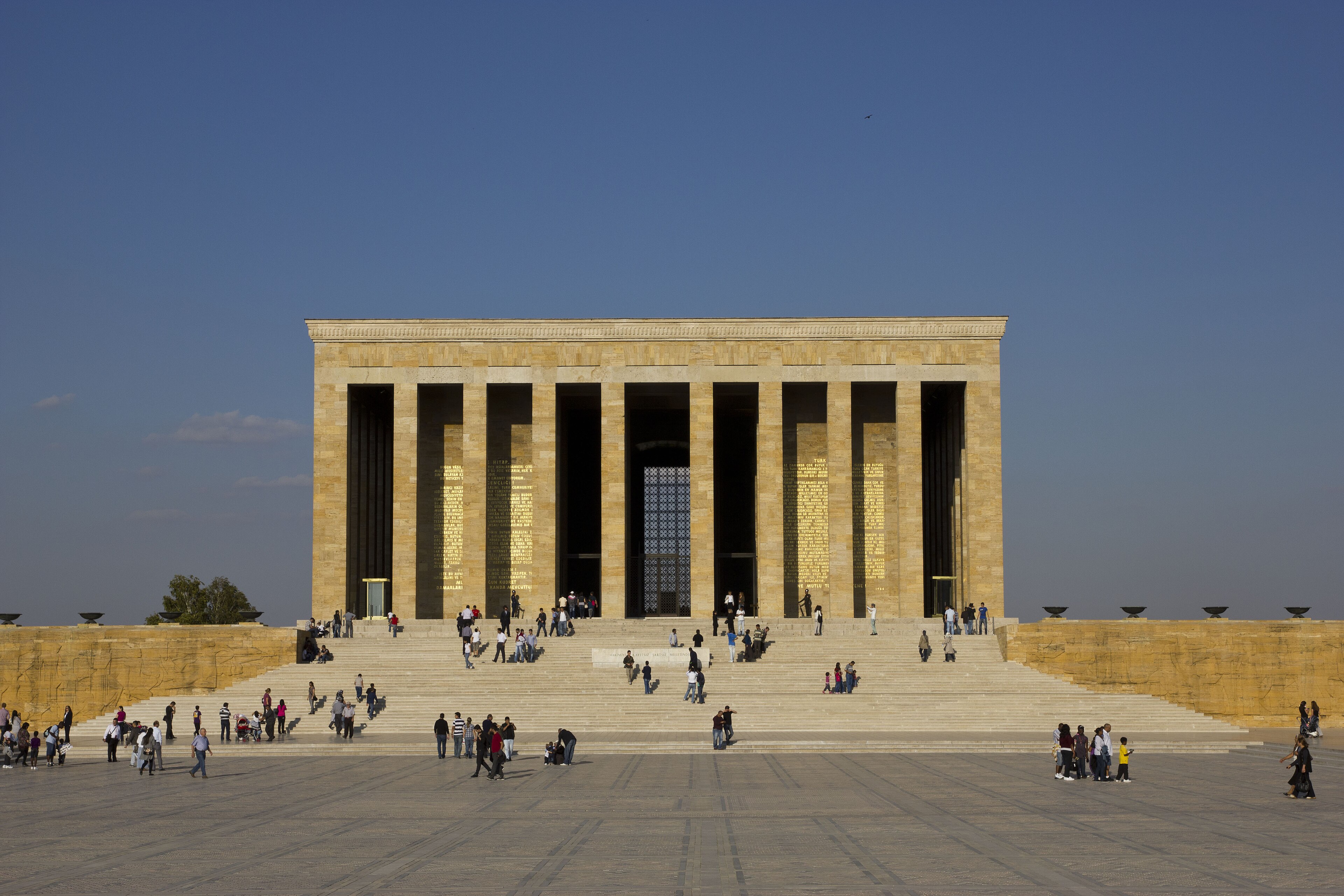
Anıtkabir (Atatürk Mausoleum)
Landmark & MonumentAnkara's most visited site is the monumental resting place of Mustafa Kemal Atatürk, founder and first president of the Turkish Republic. Completed in 1953 after nearly a decade of work, the complex sits atop its own hill and is approached along the Road of Lions, a ceremonial avenue lined with Hittite-inspired stone lions that leads to a vast limestone plaza. The Hall of Honor houses a single massive symbolic sarcophagus in austere marble, though Atatürk's actual tomb lies in a chamber below. Ceremonial guards stand motionless and change with precise ritual through the day. Beneath the plaza, an excellent museum traces the War of Independence with dioramas, Atatürk's personal effects, his cars, and his library, giving essential context for the nation's birth. The scale, silence, and sweeping views make it genuinely moving even for foreign visitors. Give yourself time to walk the whole terrace, not just the tomb.
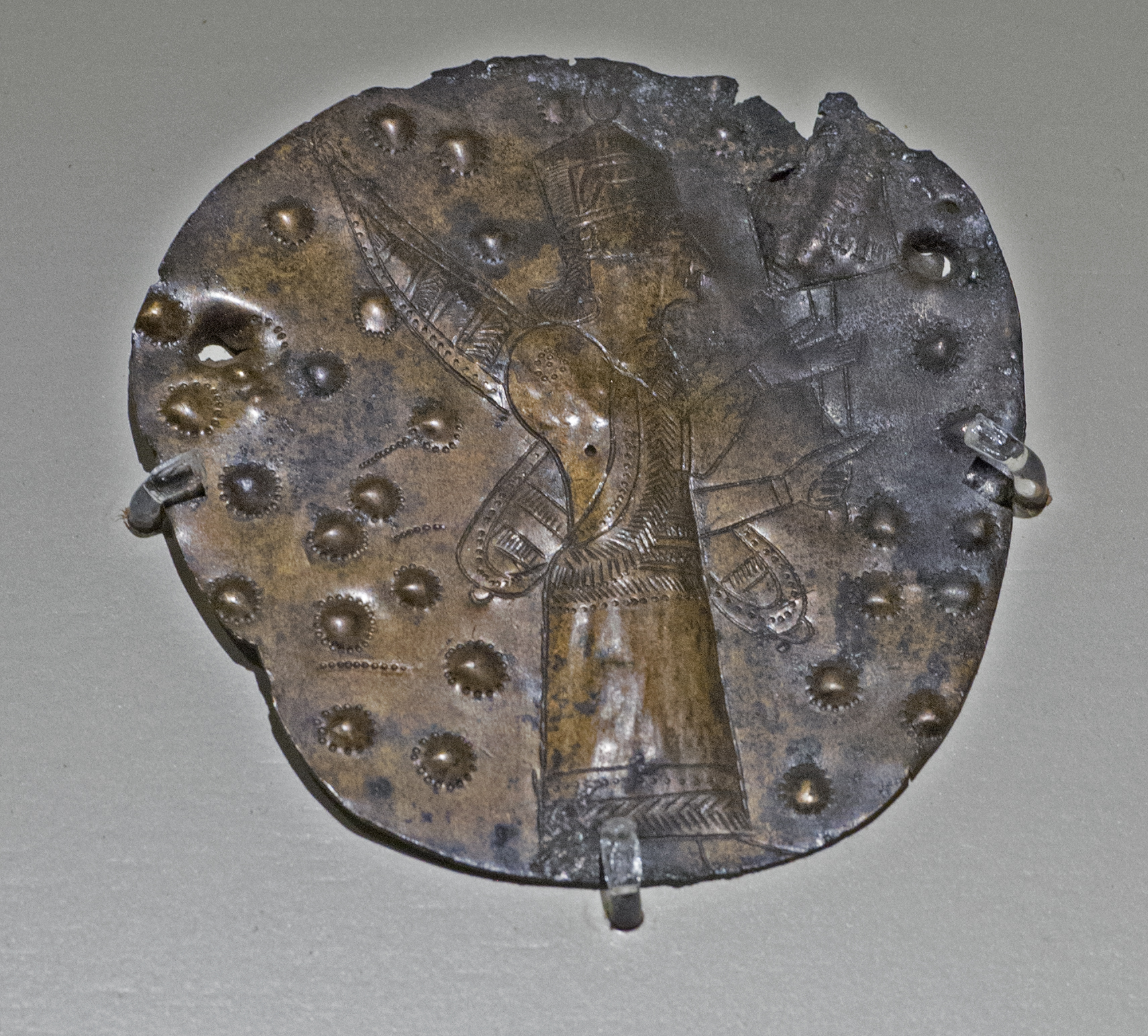
Museum of Anatolian Civilizations
MuseumSet in a beautifully restored 15th-century Ottoman covered bazaar and caravanserai just below the castle, this is one of the world's great archaeology museums and a former European Museum of the Year. Its collection tells the story of Anatolia in near-unbroken sequence, from Paleolithic tools through the Neolithic wall paintings and the famous seated mother-goddess figurine of Çatalhöyük, into the Bronze Age. The heart of the museum is its Hittite hall, where monumental stone orthostats and reliefs from Hattusa and other capitals depict gods, kings, and processions carved three and a half thousand years ago. Phrygian treasures from Gordion, including finds tied to the legend of King Midas, sit alongside Urartian metalwork and Assyrian trade tablets. Clear labeling and a logical chronological flow make it approachable even if you know little archaeology. For many travelers it is the single best reason to linger in Ankara at all.
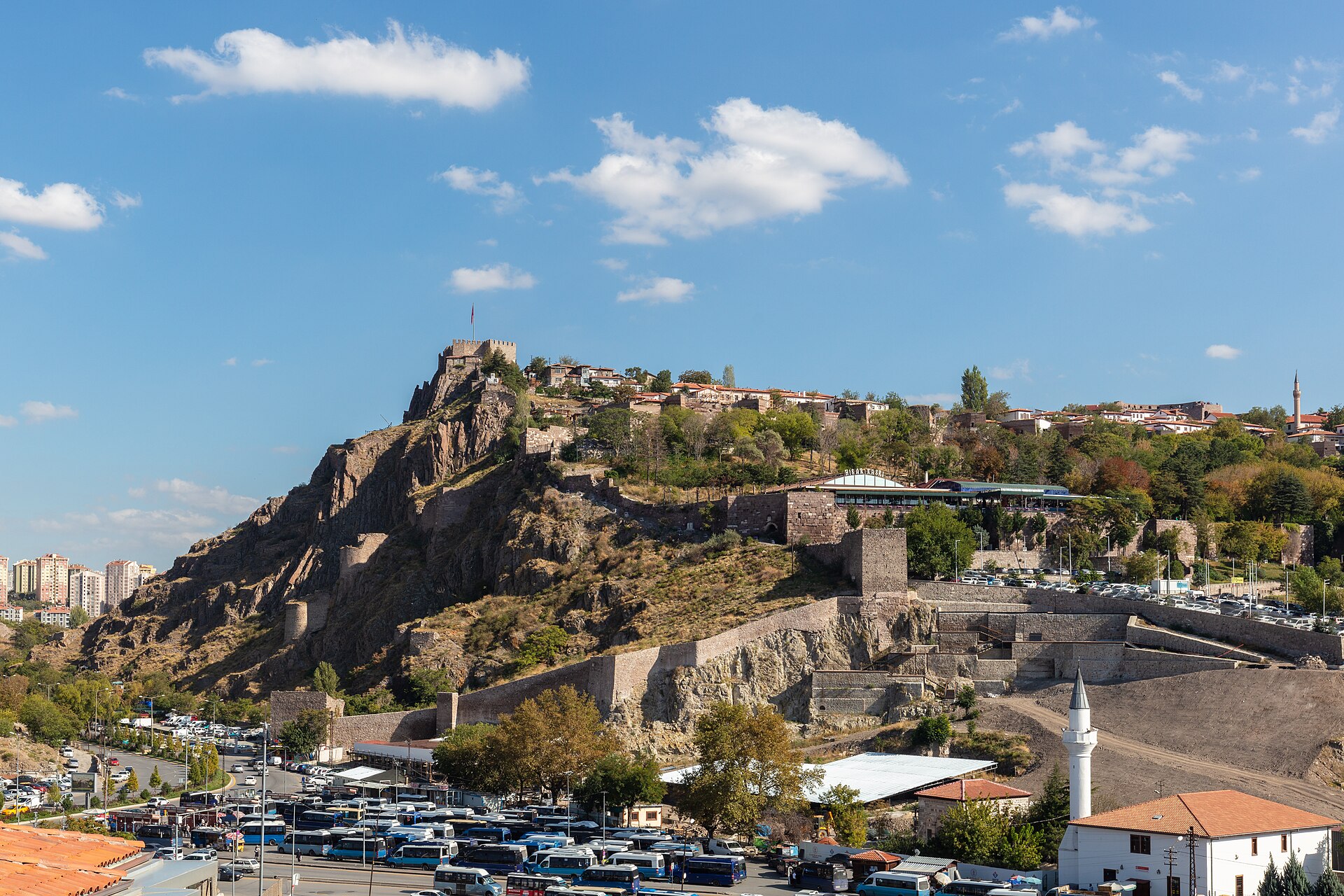
Ankara Castle & Kaleiçi Old Town
Historic SitePerched above the modern city, Ankara's citadel is a palimpsest of walls raised and rebuilt by Romans, Byzantines, Seljuks, and Ottomans, some stretches patched with recycled marble columns and even inscribed antique blocks. You can climb onto the inner ramparts for a sweeping panorama across Ankara's sea of apartment blocks to the hills beyond, especially fine at sunset. Within and just below the walls lies Kaleiçi, the old town, where restored timber-and-stone Ottoman houses now hold boutique cafes, carpet and antique dealers, and shops selling spices, dried fruit, and local wine. The lanes are steep and cobbled, so wear proper shoes. It is an atmospheric contrast to the planned avenues downhill and an easy pairing with the archaeology museum at its gate. Vendors here sell Ankara's prized mohair goods and freshly roasted nuts, good for browsing even if you buy nothing.
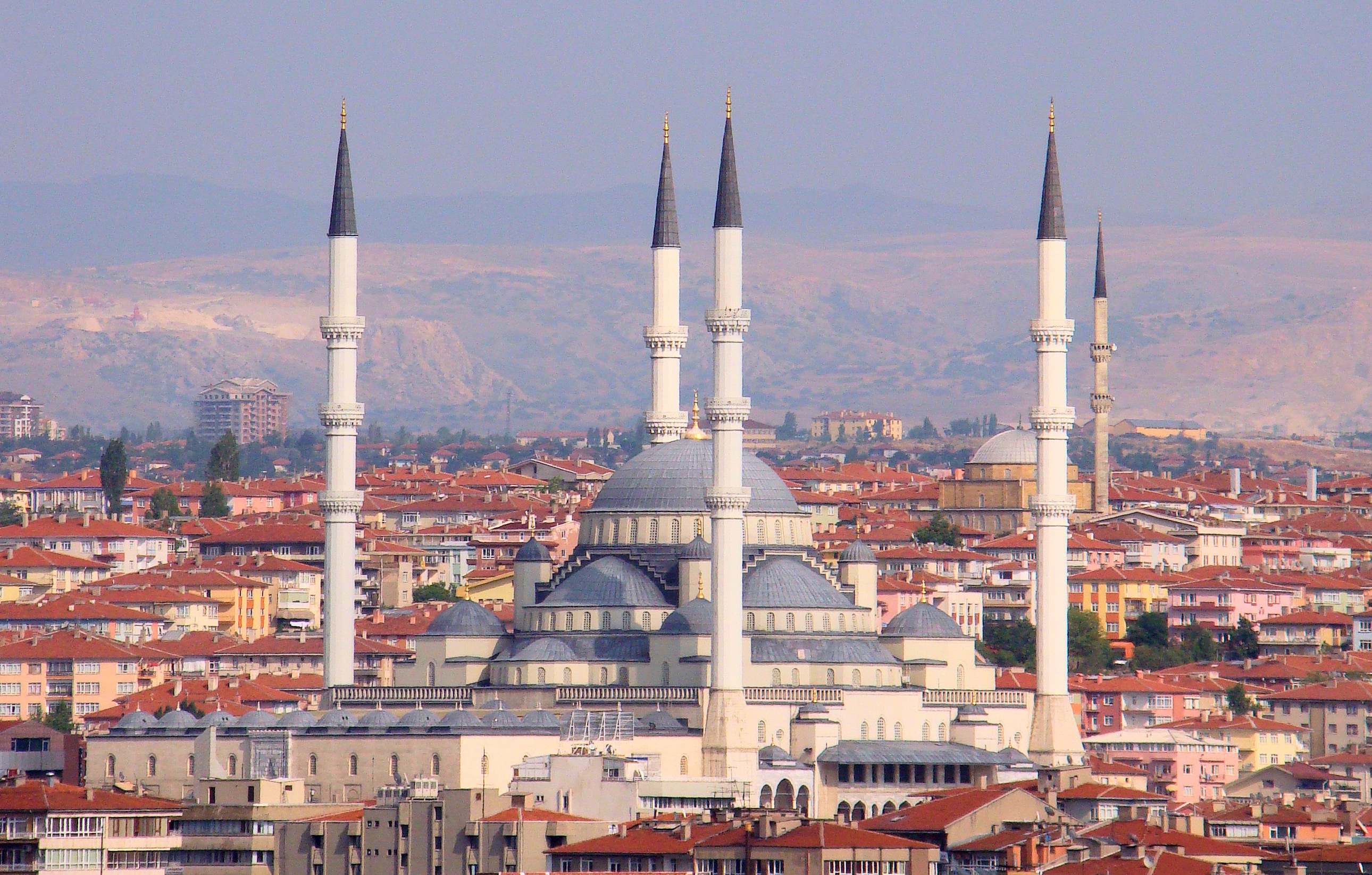
Kocatepe Mosque
Religious & SpiritualAnkara's largest mosque dominates the Kızılay skyline with four slender minarets and a cascade of domes built in a deliberately classical Ottoman style, echoing the great 16th-century models of Istanbul. Despite its traditional look it is a modern creation, constructed between 1967 and 1987, and its scale is genuinely impressive: the vast prayer hall glows with chandeliers, calligraphy, and İznik-style tilework beneath a soaring central dome. Non-Muslim visitors are welcome outside prayer times, and the calm interior offers a cool retreat from the busy streets. Curiously, a large shopping arcade and supermarket occupy the levels beneath the mosque, a very Ankara blend of the sacred and the everyday. The terrace outside is a popular gathering spot with city views. As at any working mosque, dress modestly, remove your shoes, and women should bring a headscarf, though wraps are usually available at the door.
Hamamönü Restored Quarter
NeighborhoodA short way from the castle, Hamamönü is a lovingly restored pocket of late-Ottoman Ankara, its narrow streets lined with pastel timber houses, bay windows, and rose gardens. Once run-down, the district was rehabilitated into a showcase of traditional architecture and now brims with craft workshops, calligraphers, ebru paper-marbling studios, and courtyard cafes serving tea and gözleme. At its center stands the restored house of Mehmet Akif Ersoy, the poet who wrote Turkey's national anthem, now a small museum. The historic Karacabey Hamam still operates as a bathhouse nearby. On spring and summer evenings the quarter comes alive with families, street musicians, and Ramadan festivities, making it one of the most pleasant places in the city simply to wander. It is touristy in a gentle, mostly domestic way, and prices stay reasonable. Pick up handmade soap, marbled prints, or a glass of fresh şalgam here.
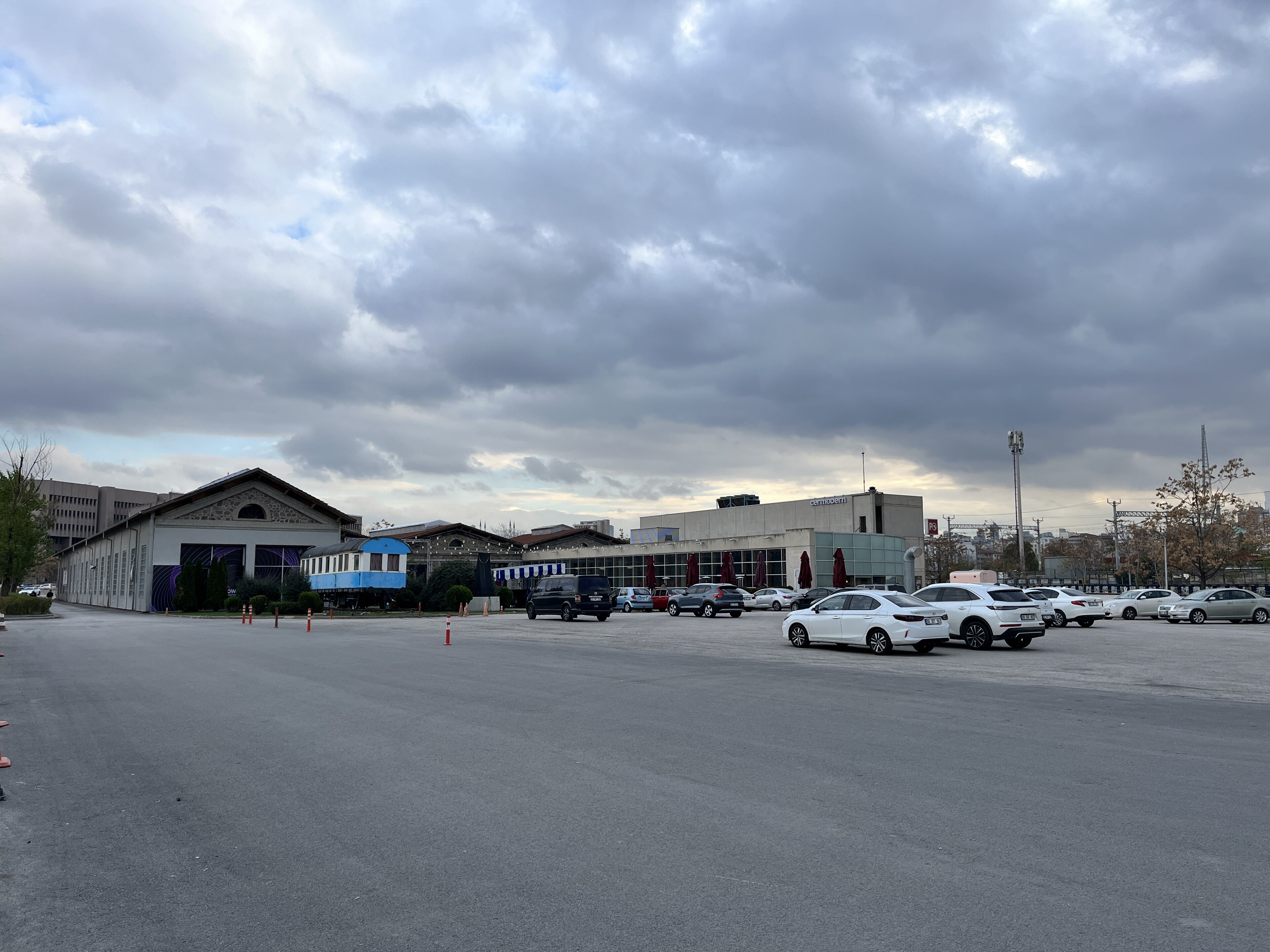
CerModern
Culture & ArtsAnkara's leading contemporary arts center occupies a handsomely converted early-20th-century railway workshop, the old state railway locomotive halls near the train station. Opened in 2010, its long industrial sheds of steel and glass make a dramatic setting for rotating exhibitions of Turkish and international modern art, photography, sculpture, and design. Alongside the galleries you will find a program of concerts, film screenings, workshops, and a stylish cafe that draws the city's creative crowd. The scale and raw architecture alone reward a visit even between blockbuster shows. It is a good reminder that the capital has a forward-looking cultural life beyond monuments and museums. Check what is currently on before you go, as the offering changes frequently and some shows are ticketed while the building and grounds are otherwise free to enter. The outdoor spaces sometimes host installations and weekend markets.
🎯Things to do & experiences — Ankara
🎈Pay respects and watch the changing of the guard at Anıtkabir
🎈Trace 10,000 years of Anatolia through the Hittite reliefs at the Museum of Anatolian Civilizations
🎈Climb the castle ramparts at sunset for a panorama over the capital
🎈Wander Hamamönü's restored Ottoman lanes and watch a paper-marbling demonstration
🎈See Roman Ankara at the Temple of Augustus, which preserves Emperor Augustus's own account of his deeds carved in stone
🎈Browse contemporary Turkish art in the old railway sheds of CerModern
🎈Shop for Ankara pears, roasted chickpeas, and mohair in the Kaleiçi lanes
🍴Where & what to eat — Ankara
As a city of transplants from every region, Ankara eats a bit of everything, but it keeps its own traditions too, from a distinctive dry-cured pastrami to street simit and long lunches in old-town lokantas. The large student and civil-servant population keeps casual, good-value eating everywhere you look.
🍽️Ankara tava: a baked dish of rice, meat, and vegetables that is the city's namesake comfort food
🍽️Pastırma: air-dried, spice-crusted cured beef, historically an Anatolian specialty, sliced thin or fried with eggs
🍽️Beypazarı kurusu: crisp little biscuits from the nearby Ottoman town of Beypazarı, sold all over the capital
🍽️Döner and İskender in the Kızılay backstreets, where competition keeps quality high and prices low
🍽️Simit and strong tea from a castle-view terrace cafe up in Kaleiçi
Plan your trip with Seen