📍Destinations — Izmir & Ephesus
Pick a destination for full details
Ephesus Ancient City
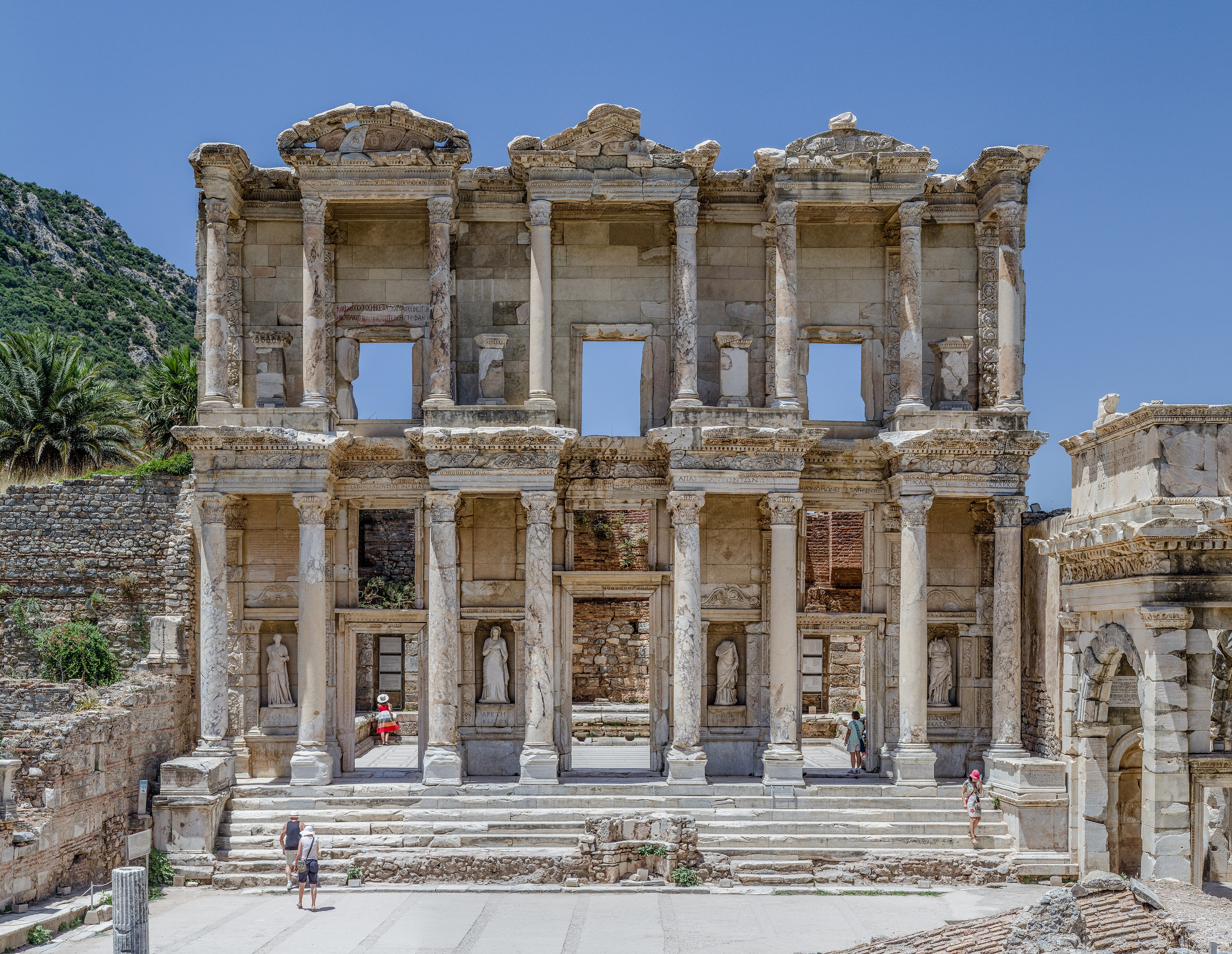
Ancient siteEphesus is the finest classical city surviving anywhere in the Mediterranean, and walking its marble streets is the closest most travellers will come to stepping into the Roman world. Founded by Greeks and turned into a great metropolis by Rome, it was a port of perhaps a quarter of a million people, capital of the province of Asia, and a major early Christian centre where Saint Paul preached and Saint John is traditionally said to have lived. The route runs downhill along Curetes Street past temples, fountains and public buildings to the site's showpiece, the soaring two-storey facade of the Library of Celsus, painstakingly reconstructed from its fallen stones. Beyond it stands the Great Theatre, cut into the hillside and once seating around 25,000. For an extra ticket, the covered Terrace Houses reveal the frescoed, mosaic-floored homes of the wealthy in extraordinary detail. Allow at least half a day, bring water and a hat, and enter early, as there is almost no shade.
House of the Virgin Mary
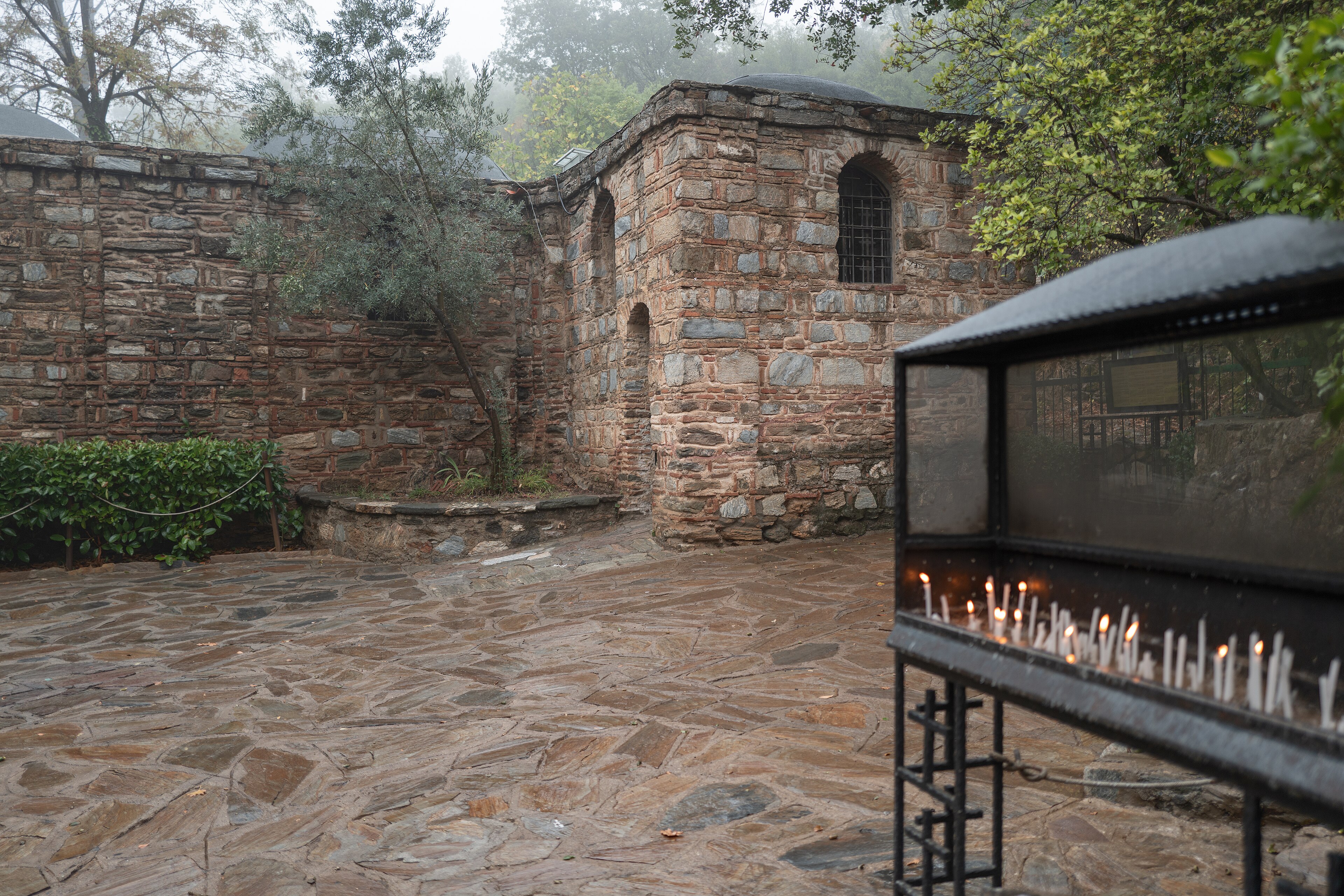
Religious & pilgrimage siteHigh on the forested slopes of Mount Koressos, about seven kilometres above Ephesus, stands a small stone chapel that draws pilgrims of two faiths. Catholic tradition holds that the Virgin Mary spent her final years here, brought to Ephesus by Saint John, and the house was rediscovered in the nineteenth century following the visions of a German nun. Whatever one makes of the history, the site has been honoured by a series of visiting popes and is treated as a place of quiet devotion rather than spectacle. Because Mary, or Meryem, is deeply revered in Islam too, Muslim visitors come in large numbers, making it one of the rare shrines shared warmly across religions. The modest chapel takes only minutes to see; the atmosphere is the point. Below it, a spring said to have healing properties feeds taps where people fill bottles, and a nearby wall flutters with thousands of paper prayers and wishes tied by visitors from around the world.
Temple of Artemis Site
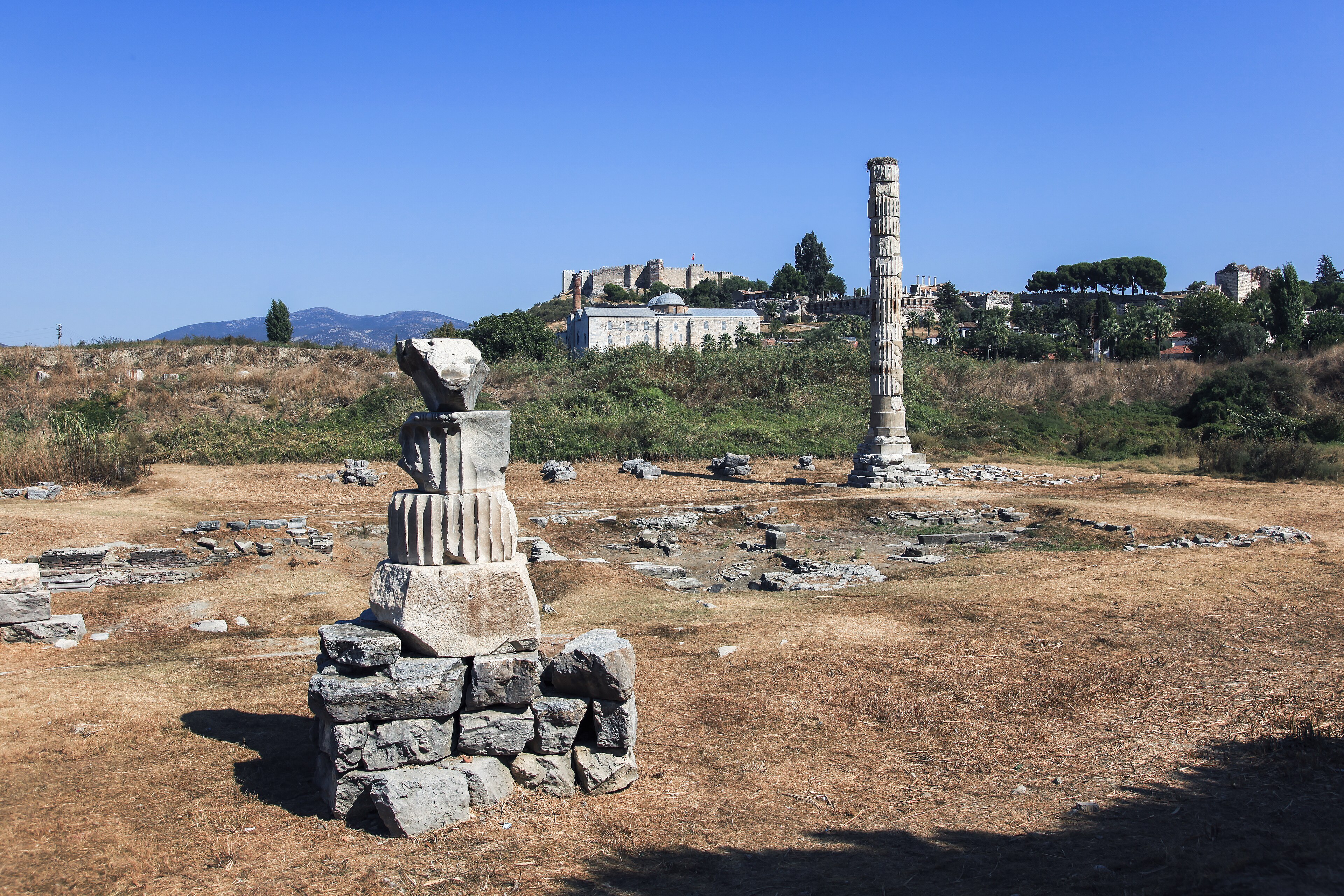
Ancient siteIt takes some imagination to picture it now, but this marshy field on the edge of Selcuk once held one of the Seven Wonders of the Ancient World. The Temple of Artemis, or Artemision, was a colossal marble sanctuary to the city's patron goddess, far larger than the Parthenon and ringed by more than a hundred towering columns. It was rebuilt several times across antiquity, famously burned down by an arsonist in 356 BC (on the night, legend says, that Alexander the Great was born), raised again grander still, and finally ruined for good in late antiquity, its stone quarried away for other buildings. Today a single column, reassembled from scattered fragments, stands amid the foundations and reeds, often topped by a nesting stork. The site is free, quick to see, and honestly rather melancholy, but standing where a Wonder of the World once rose is worth the short stop, especially with the Basilica of Saint John and a castle rising on the hill just behind.
Izmir Kordon & Konak
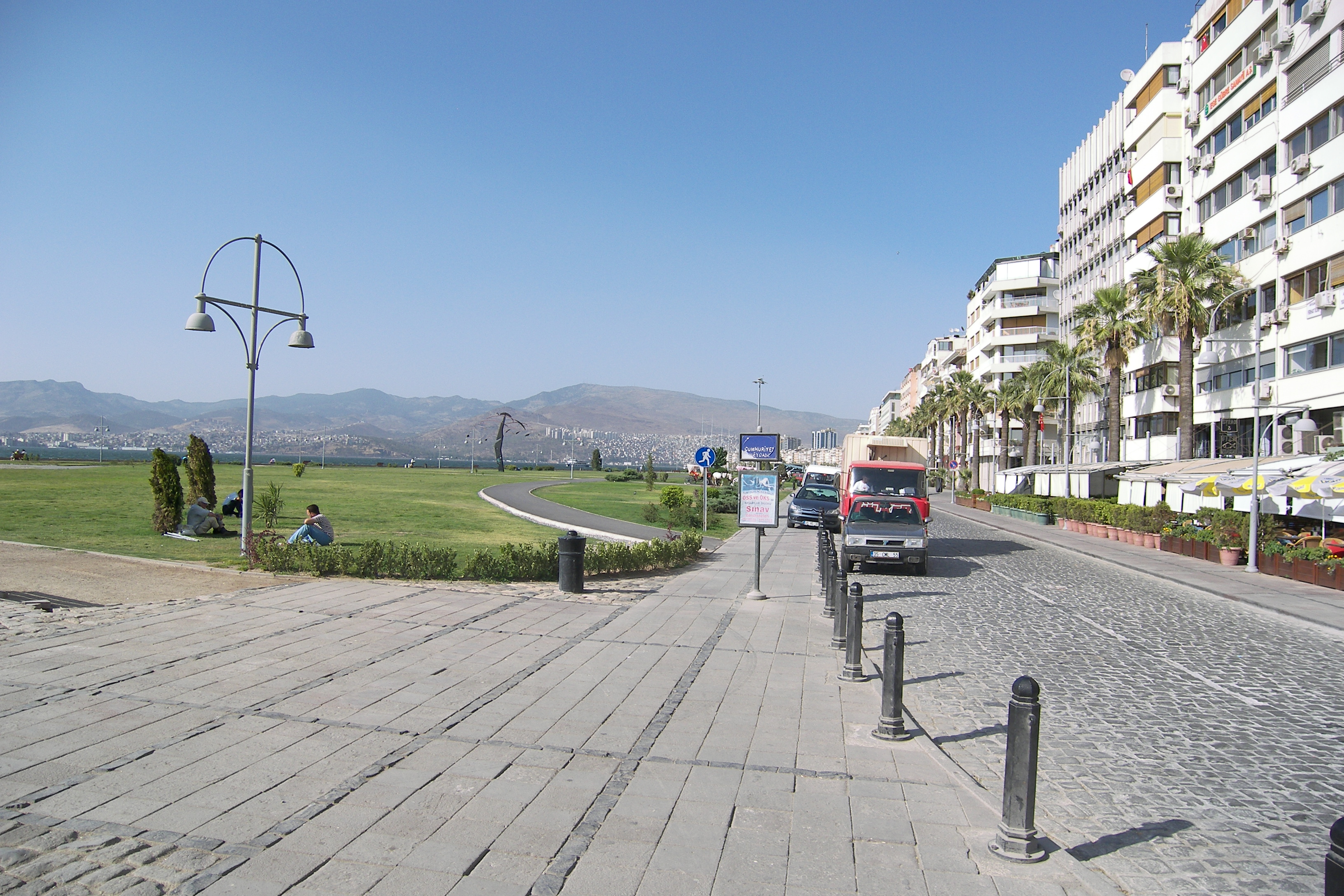
City & waterfrontThe Kordon is the soul of modern Izmir, a broad palm-lined promenade curving along the bay where the whole city seems to come out to walk, cycle, picnic on the grass and watch the sun drop into the Aegean. Ferries glide across the water, cafes and seafood meyhanes line the front, and the pace is unmistakably Mediterranean. At its southern end lies Konak Square, Izmir's civic heart, dominated by the ornate Clock Tower built in 1901, an elegant Ottoman landmark that has become the symbol of the city, with the little tiled Konak Mosque beside it. From here you can dive straight into Kemeralti, the sprawling historic bazaar of covered lanes, hidden courtyards, tea houses and workshops that has been the city's marketplace for centuries. Restored Konak Pier, a waterfront gallery attributed to Gustave Eiffel's engineering firm, adds shopping and dining. Riding a ferry across the bay at dusk is one of the simplest pleasures in Izmir.
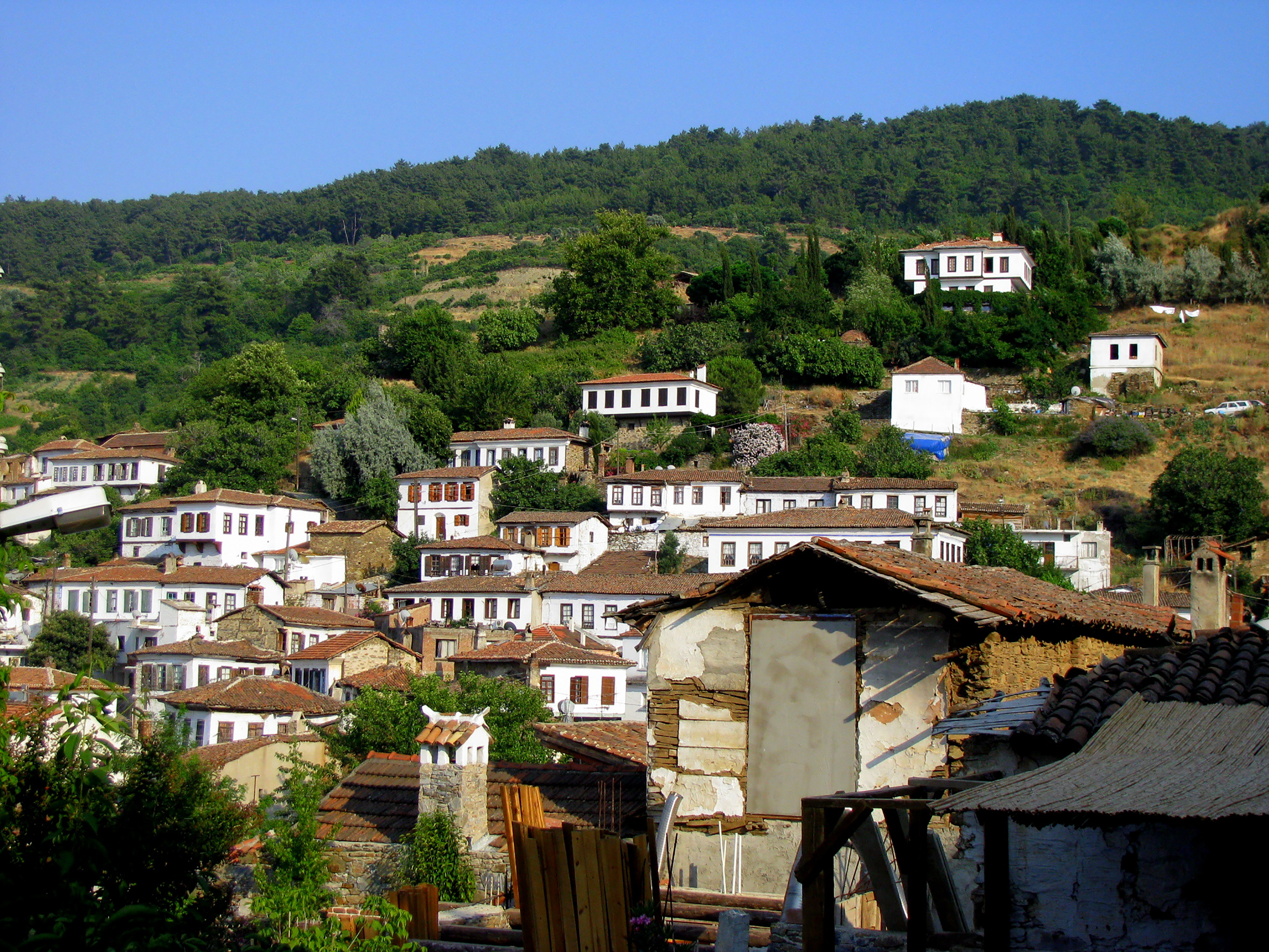
Sirince Village
Historic villageSirince is a hillside village of whitewashed, red-roofed houses about eight kilometres above Selcuk, wrapped in vineyards, orchards and olive groves. It was a prosperous Greek settlement until the 1923 population exchange, and that Ottoman-Greek heritage survives in its stone lanes, its two nineteenth-century churches and the architecture of its old houses, some now converted into charming boutique guesthouses. Today the village makes its living from visitors and from what it grows: it is famous across Turkey for its homemade fruit wines, pressed from strawberries, peaches, pomegranates, mulberries and more, poured for tasting in shops all along the main street, alongside local olive oil, dried fruit, herbs, soaps and lace. It has become popular and can feel crowded and commercial at midday, but wander even one street back from the tasting shops and you find quiet corners, village gardens and sweeping views over the surrounding hills. It pairs perfectly with a morning at Ephesus, just down the valley.
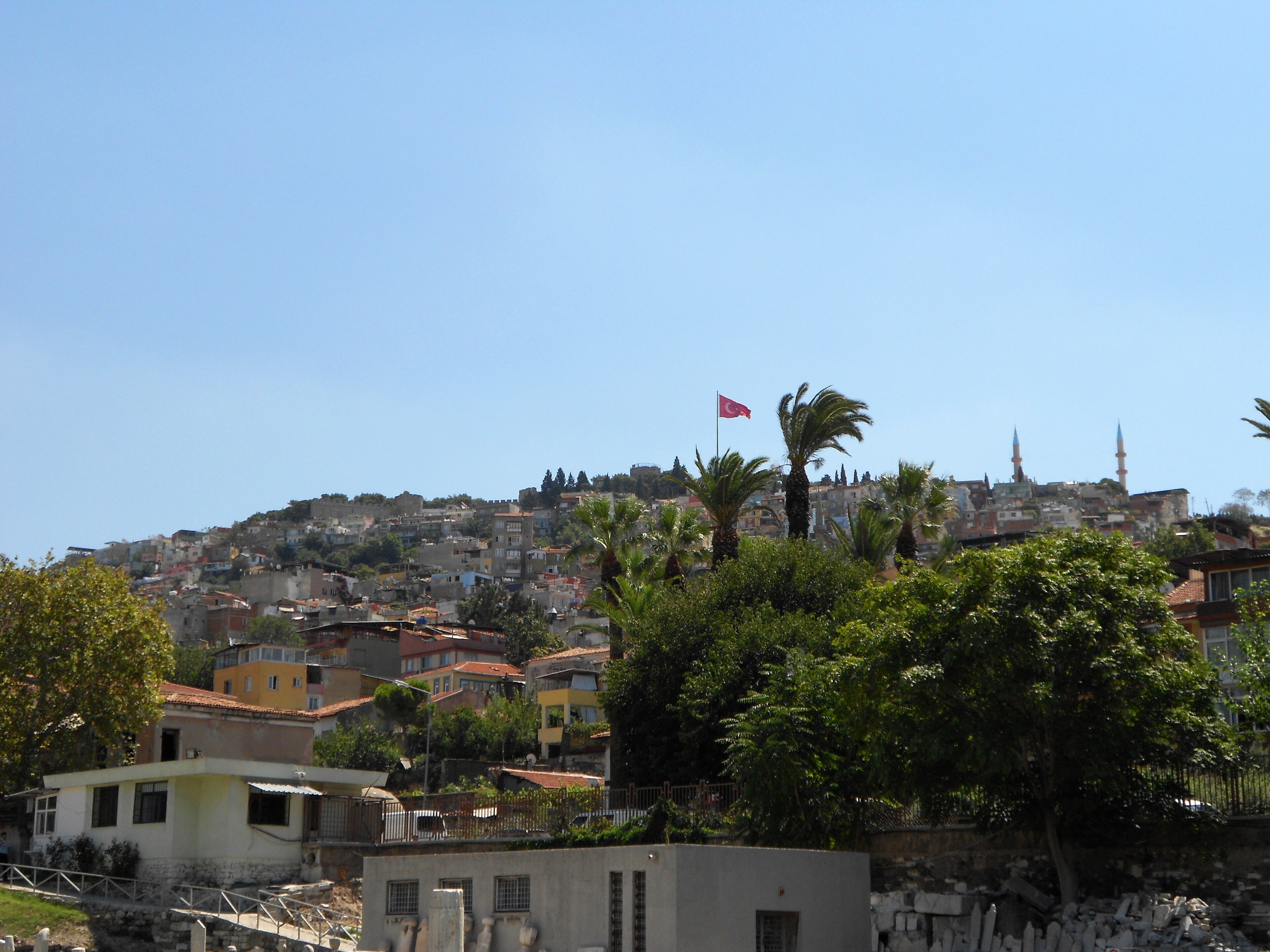
Kadifekale and the Agora of Smyrna
Ancient site & viewpointLong before it was Izmir, this was Smyrna, and two sites let you touch that ancient city. Crowning the hill above the centre is Kadifekale, the Velvet Castle, a fortress whose origins reach back to the age of Alexander the Great and his successors and which was rebuilt by Romans, Byzantines and Ottomans in turn. The walls themselves are modest, but the reason to climb up is the view: a magnificent panorama over the whole sweep of Izmir and its gulf, especially fine toward sunset. Downhill, in the middle of the modern city, lie the excavated remains of the Agora of Smyrna, the Roman marketplace and civic centre rebuilt with imperial help after a devastating earthquake in 178 AD. Rows of Corinthian columns, arched galleries and a remarkably intact vaulted basement give a vivid sense of the commercial heart of the ancient city. Seen together, the hilltop castle and the agora below sketch the outline of Smyrna beneath the streets of today's Izmir.
🎯Things to do & experiences — Izmir & Ephesus
🎈Spend a morning exploring the marble streets of Ephesus
🎈Stroll and cycle the Kordon seafront in Izmir at sunset
🎈Taste homemade fruit wines in the hill village of Sirince
🎈Get lost in the Kemeralti bazaar and stop for coffee in a hidden han
🎈Ride a ferry across Izmir Bay between Konak and Karsiyaka
🎈Make the pilgrimage to the House of the Virgin Mary above Ephesus
🎈Climb to Kadifekale for the panorama over the city and gulf
🍴Where & what to eat — Izmir & Ephesus
Izmir and the Aegean coast eat lighter and greener than much of Turkey, leaning on olive oil, wild herbs, vegetables and the day's catch from the sea. Meze tables of olive-oil-braised vegetables, fresh fish grilled simply, and a strong local street-food culture define the region. The city has its own quirky specialities, several of them inherited from its old Sephardic Jewish and Greek communities.
🍽️Boyoz, a flaky Sephardic pastry that is Izmir's signature breakfast, best with a hard-boiled egg and tea
🍽️Zeytinyaglilar, the Aegean's cold olive-oil vegetable dishes, from stuffed vine leaves to artichokes and wild greens
🍽️Fresh Aegean fish and seafood meze at a waterfront meyhane, especially around Alsancak
🍽️Kumru, a toasted Izmir sandwich stuffed with sausage, cheese and tomato
🍽️Gevrek, the local name for the sesame simit sold on every corner
🍽️Midye dolma, mussels stuffed with spiced rice and squeezed with lemon, a classic Aegean street snack
Plan your trip with Seen