📍Destinations — Konya
Pick a destination for full details
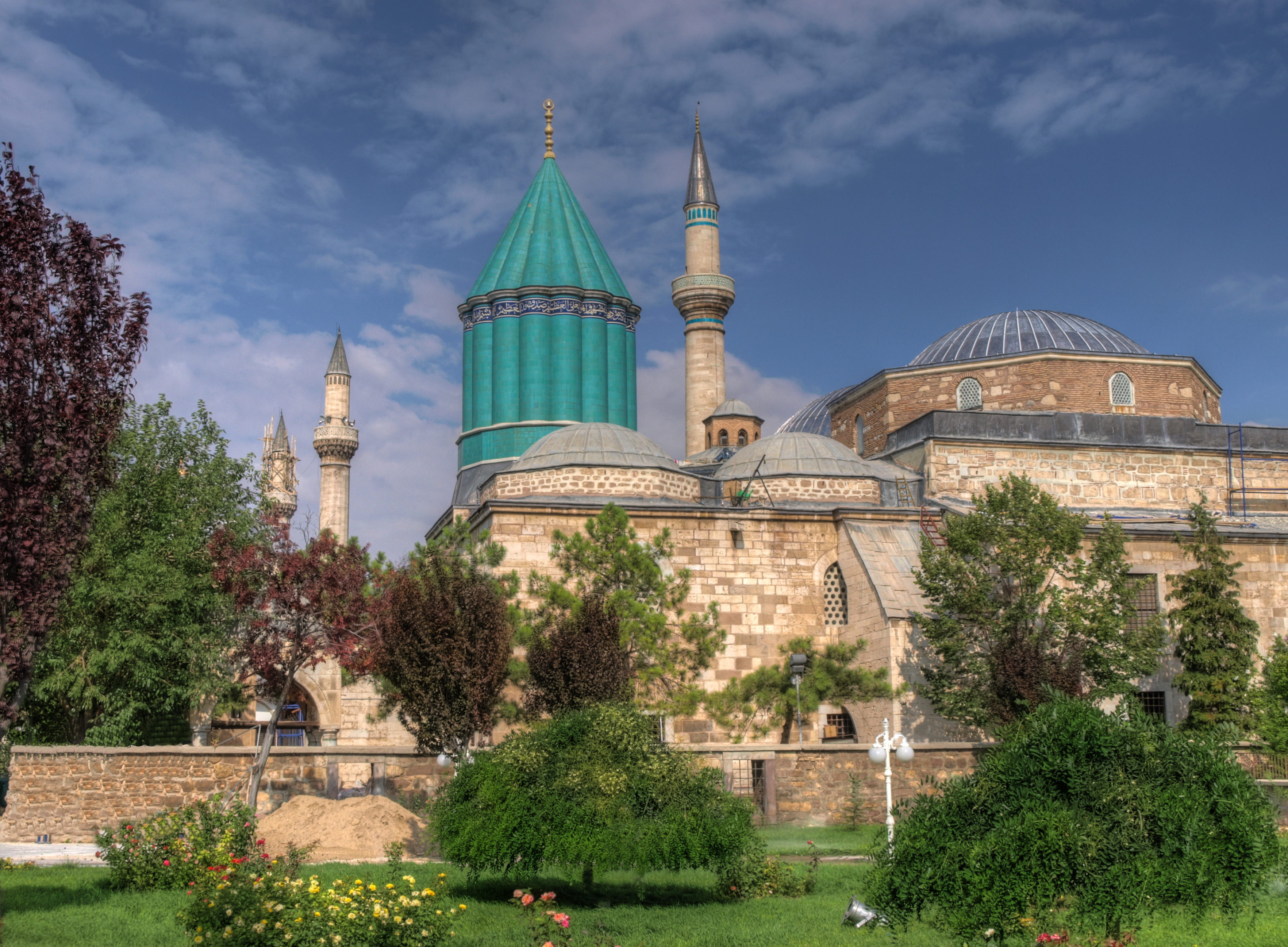
Mevlana Museum & Rumi's Tomb
Religious & SpiritualThe spiritual centerpiece of Konya, this former lodge of the Mevlevi dervishes holds the tomb of Mevlana Celaleddin Rumi, who died here in 1273. The fluted turquoise cone above his resting place, known as the Green Dome, is the city's defining silhouette. Inside, Rumi's sarcophagus lies draped in gold-embroidered cloth alongside his father and other order elders, while side rooms display illuminated Qurans, historic Mevlevi robes, prayer beads, and the reed flutes and instruments used in the Sema. For many visitors this is a pilgrimage rather than a museum stop, so you move through crowds of praying devotees. Modest dress is required and women should cover their hair; shoe covers are provided at the entrance. The complex also preserves the dervishes' old cells and communal kitchen, giving a real sense of daily lodge life. Come at opening time to stay ahead of the tour groups and the midday rush.
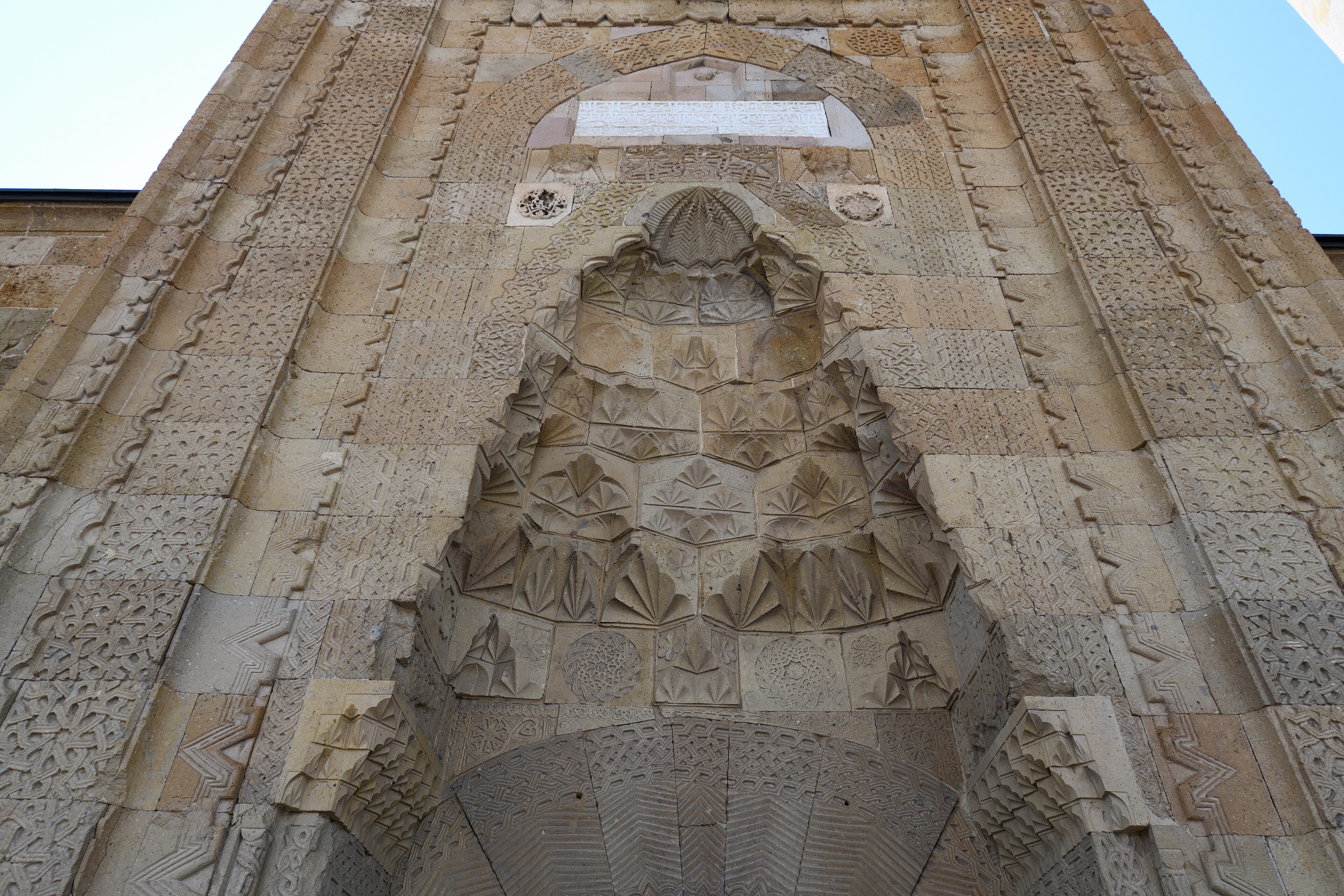
Alaeddin Mosque & Hill
Historic SiteCrowning the wooded mound at the city's core, Alaeddin Tepesi is Konya's green lung and the site of its oldest and grandest Seljuk mosque. Completed around 1220 under Sultan Alaeddin Keykubad I, the Alaeddin Mosque hides a forest-of-columns prayer hall built from recycled Roman and Byzantine pillars, each capital slightly different. Off the courtyard stand the türbe, the domed mausoleums where several Seljuk sultans are buried. The hill itself is a shaded public park where Konya families stroll, picnic, and gather at tea gardens with views over the surrounding boulevards. Fragments of the old Seljuk palace and city walls survive at its edges. It is an easy, unhurried stop that pairs well with the medrese museums ringing the base of the hill. The mosque remains active, so time your visit around the five daily prayers.
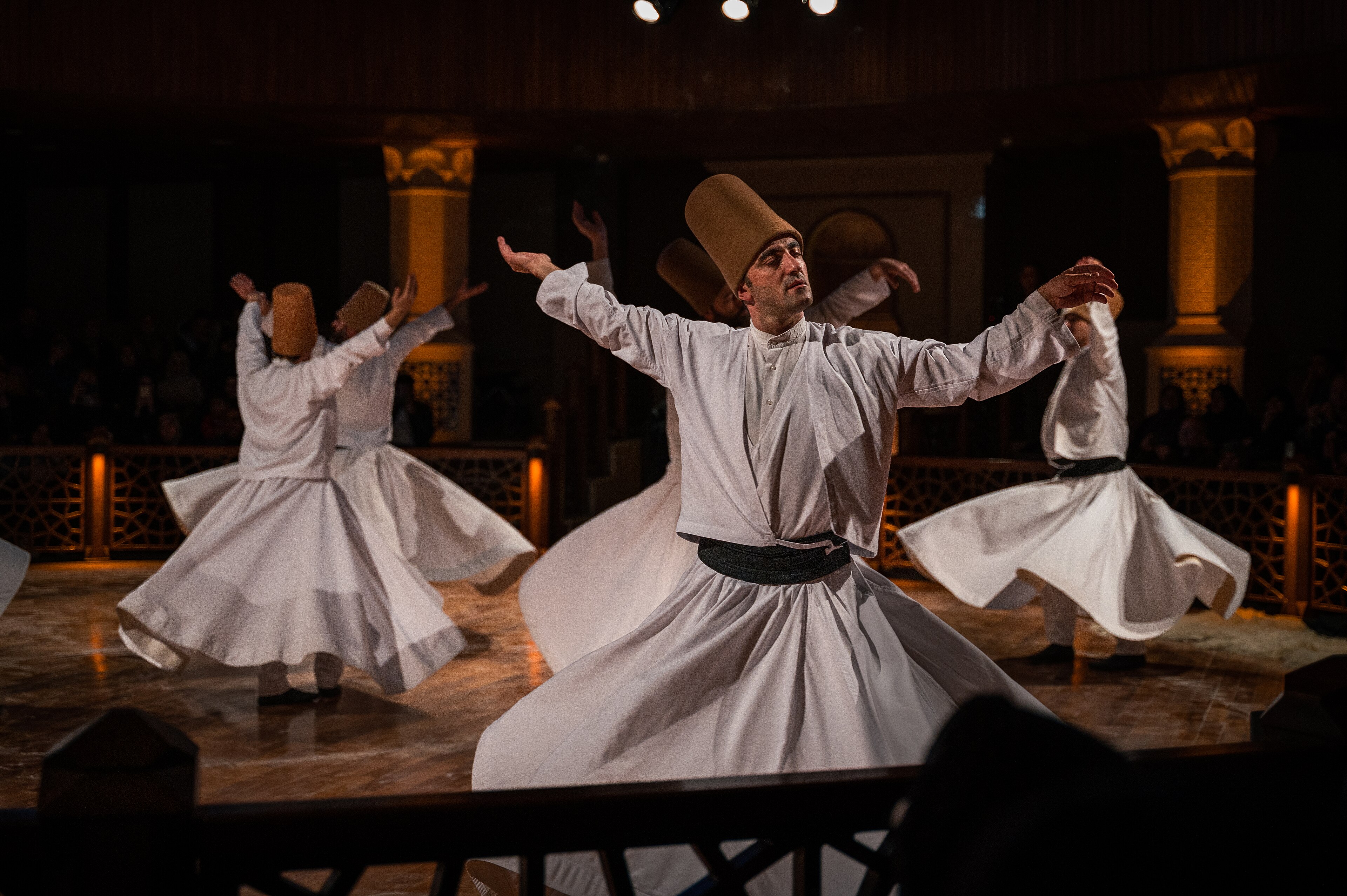
Sema Whirling-Dervish Ceremony
Culture & ArtsThe Mevlevi Sema, recognized by UNESCO as intangible cultural heritage, is a meditative ritual in which white-robed dervishes spin in a trance of remembrance, one palm turned to the sky and one to the earth. Konya is its birthplace, and watching it here carries a weight no tourist show elsewhere can match. Free public ceremonies are typically held on Saturday evenings at the Mevlana Cultural Center (Mevlâna Kültür Merkezi), a large modern hall near the museum. The turning is worship, not entertainment, so the audience stays silent, applause is discouraged, and you are asked not to leave mid-ceremony. The grandest occasion is the Şeb-i Arus festival each December, when the city fills for a week of ceremonies marking the night Rumi united with the divine. Schedules shift with the season, so confirm the current day and start time locally before planning your evening around it.
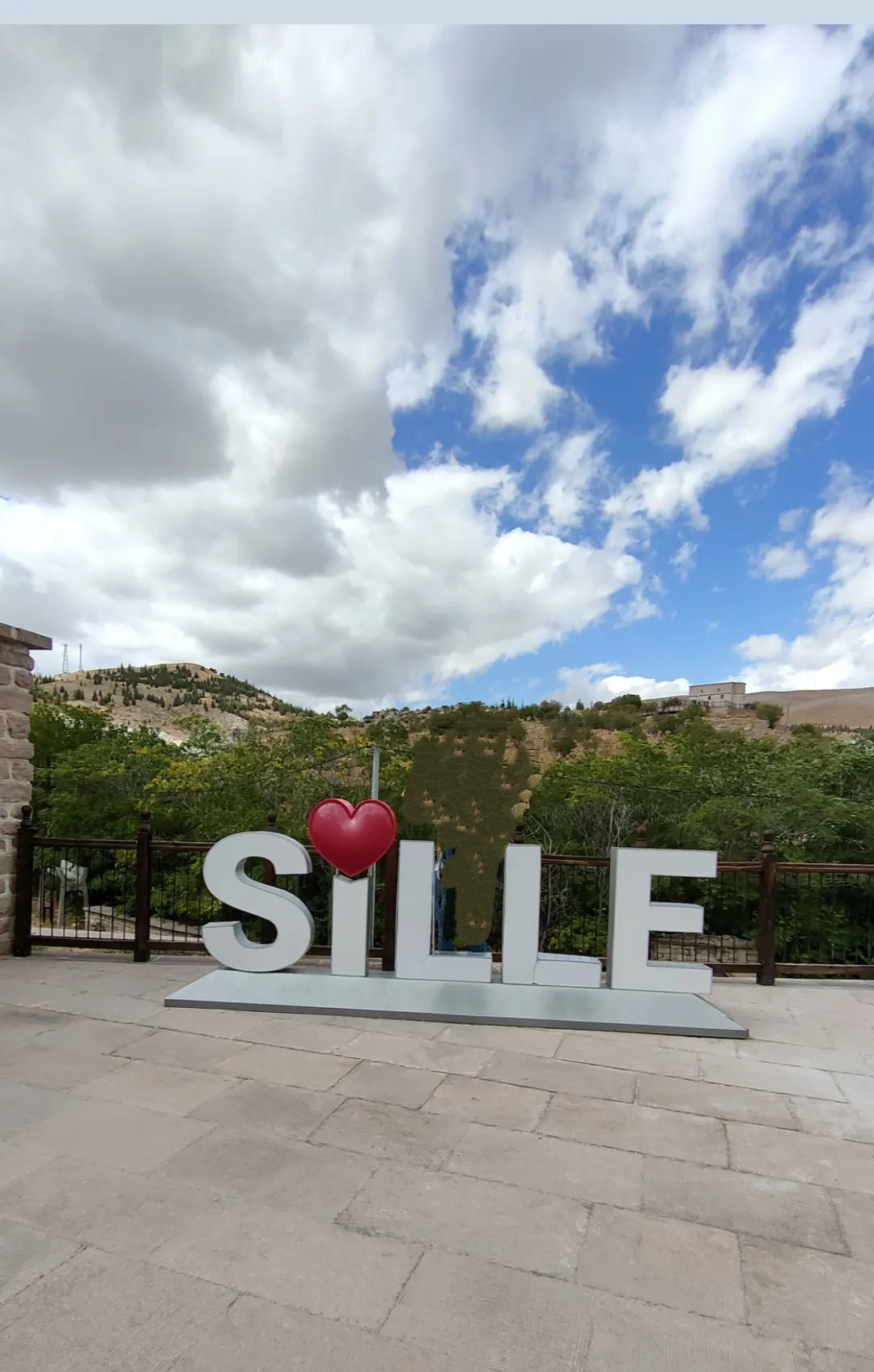
Sille Village
Village & HeritageA short hop northwest of the center, Sille is an old stone village where Greek Orthodox Christians and Muslims lived side by side until the 1923 population exchange. Pale cut-stone houses climb a narrow valley, and at its heart stands the Aya Eleni (Hagia Eleni) Church, its frescoes, painted ceiling, and wooden gallery restored after long neglect. Cave chapels and rock-cut hermitages honeycomb the cliffs above the streambed, a reminder of the area's deep Byzantine monastic past. Today the cobbled lanes hold antique shops, weavers, and cafes serving gözleme by the water. It is a calm half-day escape from the city's devotional intensity, easy to combine with a slow wander and a leisurely lunch. The village has been sensitively spruced up for visitors without losing its lived-in feel, and the climb up to the higher chapels rewards you with fine valley views.
Karatay Medrese (Tile Museum)
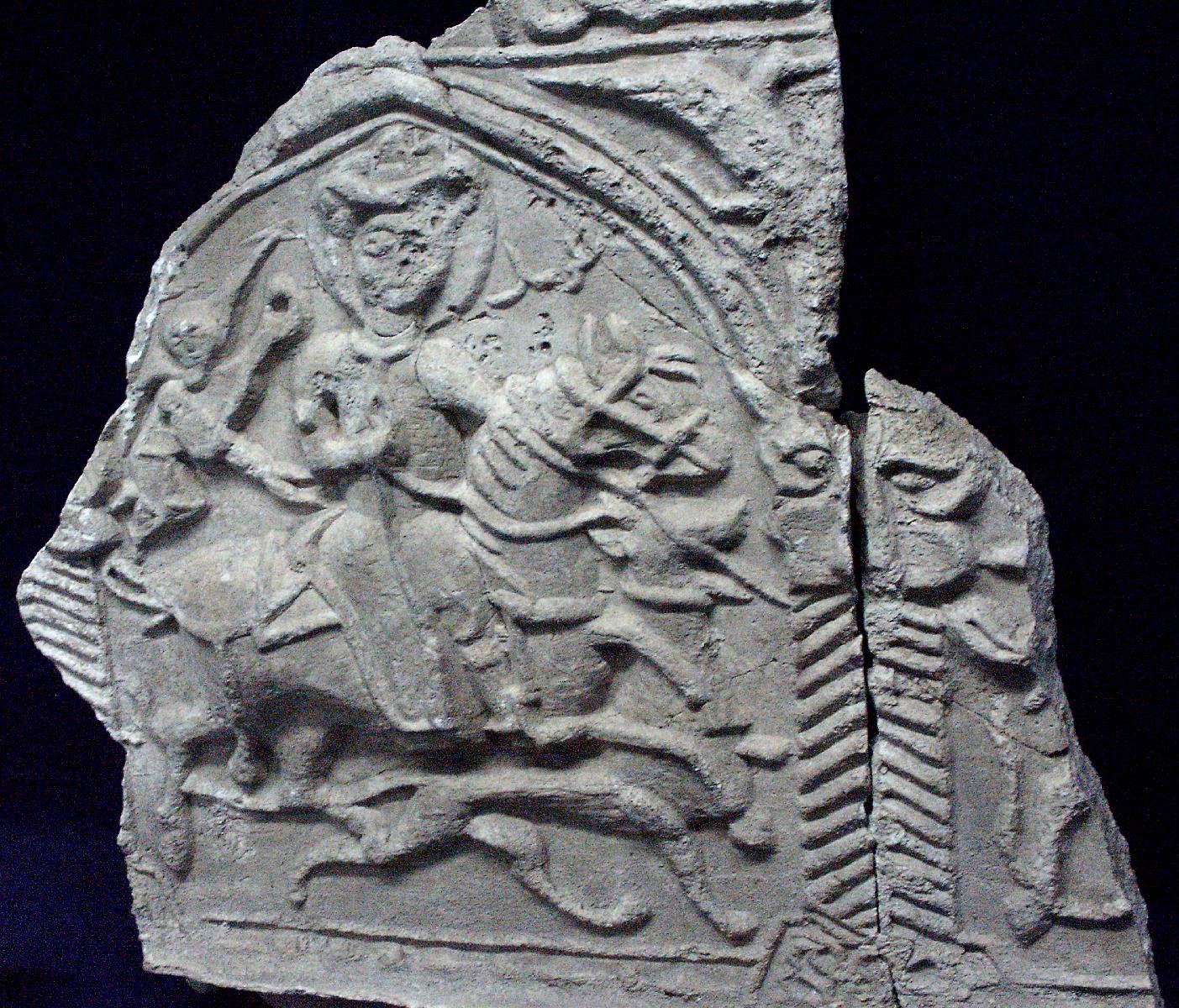
MuseumBuilt in 1251 by the Seljuk statesman Celaleddin Karatay, this former theological college now shelters one of Turkey's great collections of Seljuk ceramics and tilework. The showpiece is the building itself: step inside and look up to a dome sheathed in interlocking turquoise and cobalt star tiles that spiral toward a central oculus, an abstract map of the heavens above a pool that once caught the sky's reflection. The transition zone below, with its triangular squinches and woven Kufic inscriptions, is a masterclass in Seljuk geometry. Display cases hold fragments of luster and minai ware, star-and-cross wall tiles, and pieces recovered from the nearby Kubadabad Palace on Lake Beyşehir. It is compact and can be seen fairly quickly, but the ceiling alone justifies the visit. Study the carved stone portal outside, all muqarnas and knotwork, before you step in.
Tuz Gölü & Meke Crater Day Trip
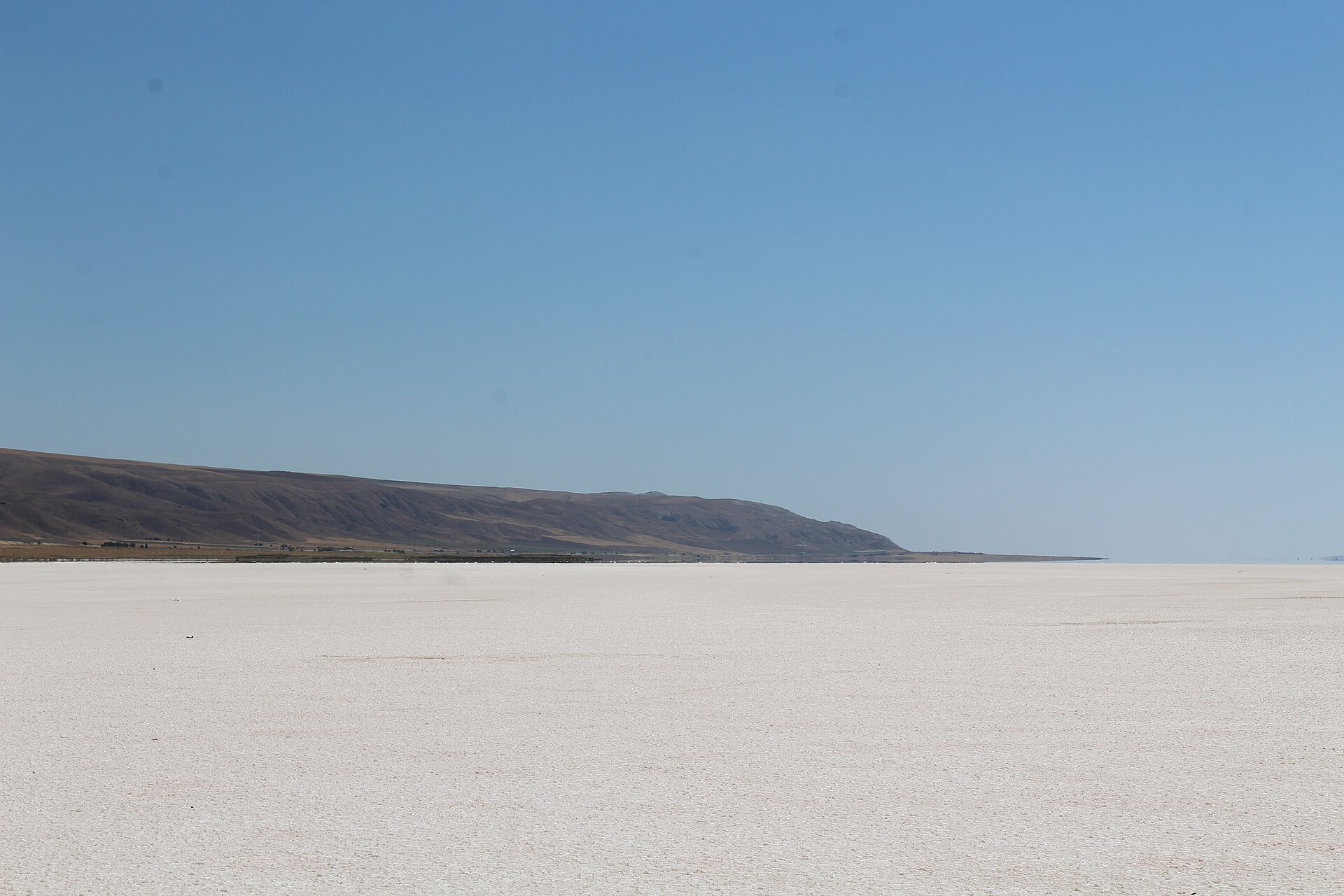
Nature & Day TripNorth of Konya the steppe opens onto Tuz Gölü, Turkey's second-largest lake and one of the saltiest bodies of water on earth. For much of the summer it dries into a blinding white crust you can walk out onto, the horizon dissolving into mirage, while shallow margins turn rosy pink and draw one of the country's biggest breeding colonies of flamingos. It is a surreal, photogenic stop on the road toward Ankara or Cappadocia. Closer to Konya, near Karapınar, the small volcanic crater lake of Meke was once a striking eye of water ringed by a cinder cone, though years of drought and groundwater extraction have left it largely dry, a sobering marker of the region's water stress. The area also hides collapsed sinkhole lakes, the obruks, worth seeking out. Neither site has much infrastructure, so bring water, sun protection, and sturdy shoes, and treat the fragile salt flat with care.
🎯Things to do & experiences — Konya
🎈Watch a Saturday-evening Sema ceremony at the Mevlana Cultural Center
🎈Trace the Seljuk trail across Alaeddin Hill, from mosque to tile and stone-carving museums
🎈Join pilgrims paying their respects at Rumi's green-domed tomb
🎈Ride a local bus out to Sille to see the restored Aya Eleni Church and cave chapels
🎈Day-trip to Çatalhöyük, the roughly 9,000-year-old Neolithic mound and UNESCO site southeast of the city
🎈Sit down to Konya's oven-baked fırın kebabı in a traditional old-town lokanta
🎈Walk out onto the Tuz Gölü salt flats at sunset for otherworldly photographs
🍴Where & what to eat — Konya
Konya's kitchen is hearty, meat-forward, and proudly traditional, shaped by Seljuk palace cooking and the surrounding grain plains. Bread matters here, and so does slow, patient roasting of lamb. Alcohol is hard to find given the city's devout character, so expect ayran and fruit şerbet alongside your meal.
🍽️Fırın kebabı: fatty lamb slow-roasted in a wood-fired oven until it falls off the bone, Konya's signature dish
🍽️Etli ekmek: a long, thin flatbread topped with spiced minced meat, often called Konya's answer to pizza
🍽️Bamya çorbası: a tart dried-okra soup made with tiny okra pods, traditionally served at celebrations
🍽️Sac arası and höşmerim: local sweets, with sac arası a syrup-soaked pastry cooked between two griddles
🍽️Tirit: layered bread, meat, and rich broth, an old Anatolian comfort dish
Plan your trip with Seen