📍Destinations — Mardin & Şanlıurfa
Pick a destination for full details
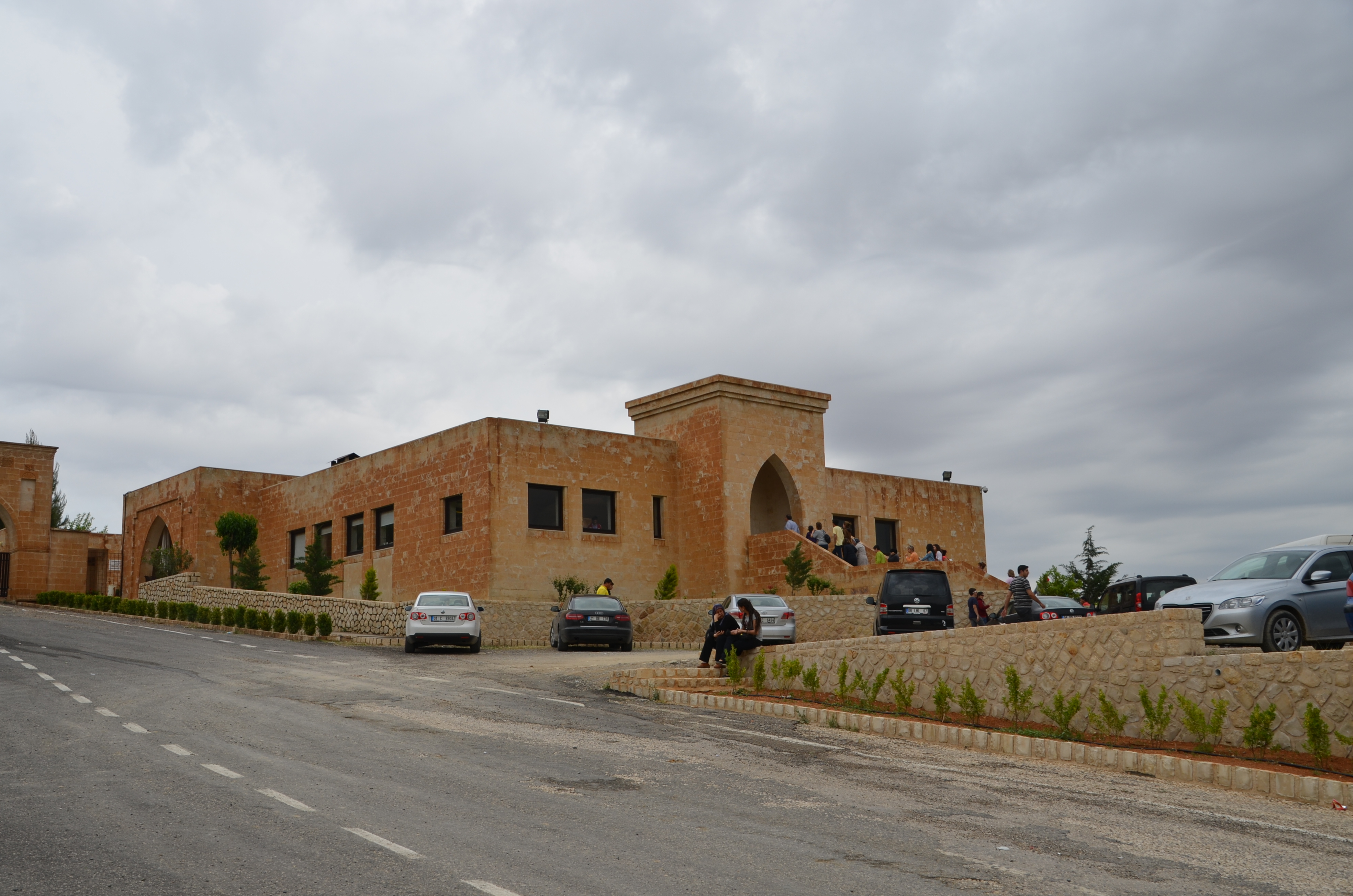
Mardin Old City & Terraced Stone Houses
Historic SiteMardin's old town is a vertical labyrinth of pale limestone spilling down a steep hillside, so tightly stacked that one house's terrace forms another's roof and stepped lanes double as stairways. From the ramparts the view drops away across the flat Mesopotamian plain toward the Syrian border, endless and hazy. Wander the single long main street and the alleys off it to find intricately carved facades, hidden courtyards, and a skyline of minarets and church towers reflecting the city's mixed Muslim and Syriac Christian heritage. Key landmarks include the Ulu Cami with its ribbed Artuqid minaret, the elegant Kasımiye and Zinciriye medreses with their fluted domes and postcard views, and the Sabancı City Museum in a former barracks. Craftsmen still work silver filigree and sell almond soap along the bazaar. Getting pleasantly lost on foot is the entire point, so wear grippy shoes for the polished, slippery stone.
Deyrulzafaran Monastery
Religious & SpiritualA few kilometers outside Mardin, set against ochre hills, Deyrulzafaran is one of the oldest working monasteries of the Syriac Orthodox Church, founded around the 5th century AD. Its name means Saffron Monastery, linked to the warm color of its stone, and for centuries, from the 12th into the early 20th, it served as the seat of the Syriac Orthodox patriarchate. Guided visits lead through a chapel with an ancient stone altar, a sombre underground chamber believed to predate Christianity and possibly used for sun worship, carved patriarchal tombs, and rooms displaying old liturgical items and printing presses. Services here are still sung in Aramaic, the language of Jesus, giving the place a rare living continuity with the ancient Near East. The setting, framed by dry hills with the plain beyond, is serene and photogenic. It is a short taxi ride from the old town and pairs naturally with a day in Mardin.
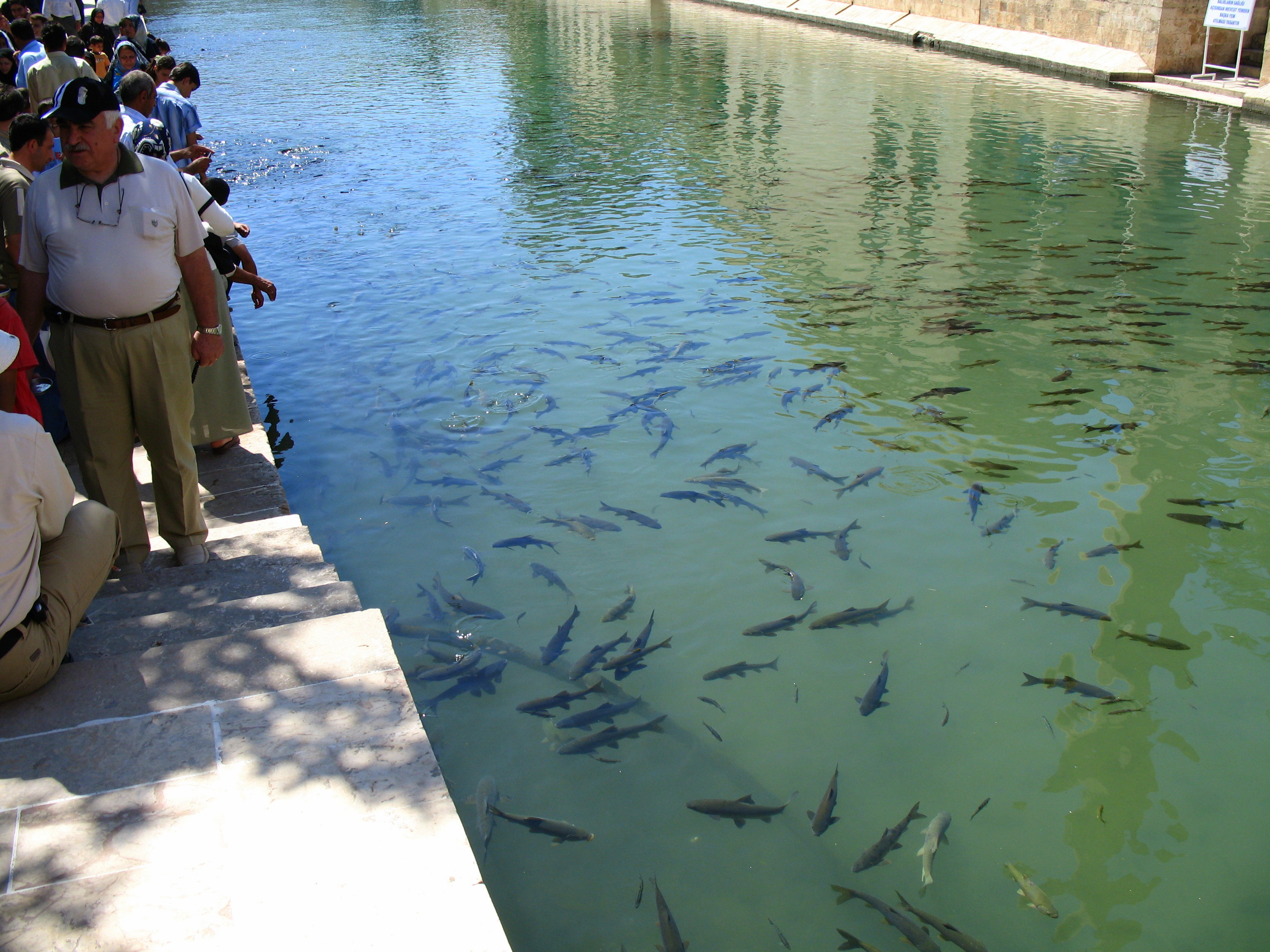
Şanlıurfa Balıklıgöl (Pool of Sacred Fish)
Religious & SpiritualAt the foot of Urfa's castle hill lies Balıklıgöl, a serene rectangular pool fed by springs and thick with sacred carp, one of Turkey's most atmospheric pilgrimage sites. Tradition holds that the prophet Abraham was hurled from the citadel into a fire by the tyrant Nimrod, whereupon God turned the flames to water and the embers to fish, which is why the carp are considered blessed and are never harmed or eaten. Pilgrims and families feed them pellets from the banks, and the pool is framed by graceful Ottoman mosques, the Rızvaniye and the Halil-ür Rahman, with arcaded courtyards and rose gardens. Nearby, the Mevlid-i Halil mosque complex shelters the cave revered as Abraham's birthplace, where visitors come to pray. The whole quarter hums with devotion, especially at prayer times and on holy days. It is free, deeply local, and best absorbed slowly, with an unhurried walk through the adjoining gardens and bazaar.
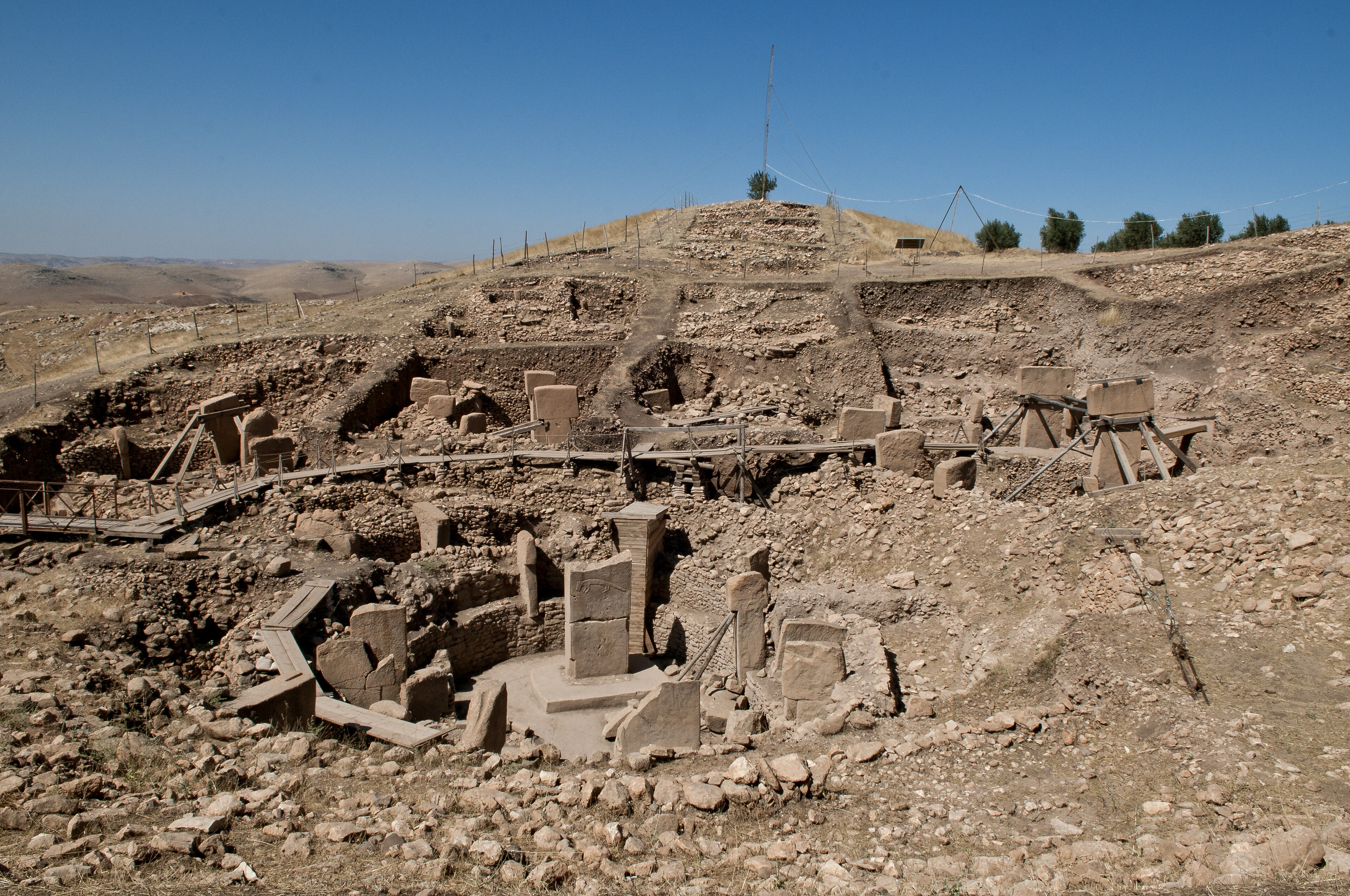
Göbeklitepe
ArchaeologyOn a windswept ridge northeast of Şanlıurfa stands Göbeklitepe, arguably the most important archaeological site of our age and a UNESCO World Heritage site. Its great enclosures of T-shaped limestone pillars, some over five meters tall and carved in relief with foxes, boars, snakes, scorpions, and vultures, were raised around 9600 BCE, making them roughly 11,500 years old, older than Stonehenge and the pyramids by many thousands of years. Built by hunter-gatherers before pottery, metal, writing, or farming, the site upended the long-held assumption that settled agriculture came first and monumental religion followed. Excavated from 1995 under the German archaeologist Klaus Schmidt, it now sits under a sweeping protective canopy with elevated walkways that let you look down into the enclosures. On-site interpretation is fairly modest, so pairing the visit with the superb Şanlıurfa Archaeology Museum in town, which holds original pillars and finds, hugely enriches the experience. It is humbling in the truest sense of the word.
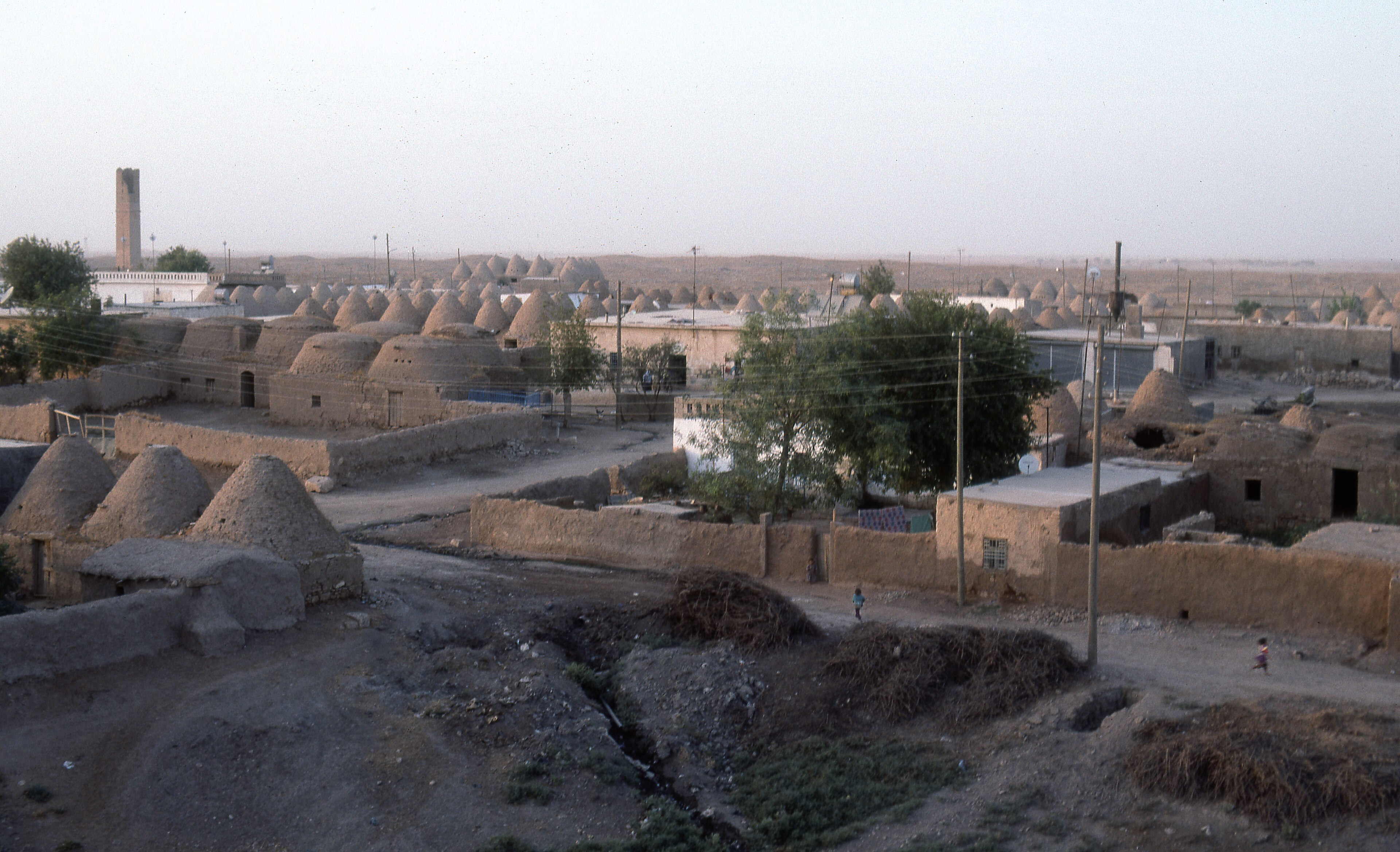
Harran Beehive Houses
Historic SiteAbout 45 kilometers south of Şanlıurfa, almost on the Syrian border, the ancient town of Harran is famous for its distinctive beehive houses, conical domes of mudbrick stacked without any wood that stay remarkably cool in the searing heat. The design is centuries old, and a preserved cluster lets visitors step inside and feel the temperature drop. Harran is one of the oldest continuously settled places on earth and appears in the Book of Genesis as a dwelling place of Abraham. Its ruins include the crumbling walls and towers of the old city, a ruined castle, and the remains of what is often described as one of the world's earliest Islamic universities, beside the standing arch and minaret of the Ulu Cami. In antiquity Harran was a renowned center of moon-god worship. The site is evocative and starkly beautiful, though very hot, so combine it with Göbeklitepe and Şanlıurfa on a full southern loop.
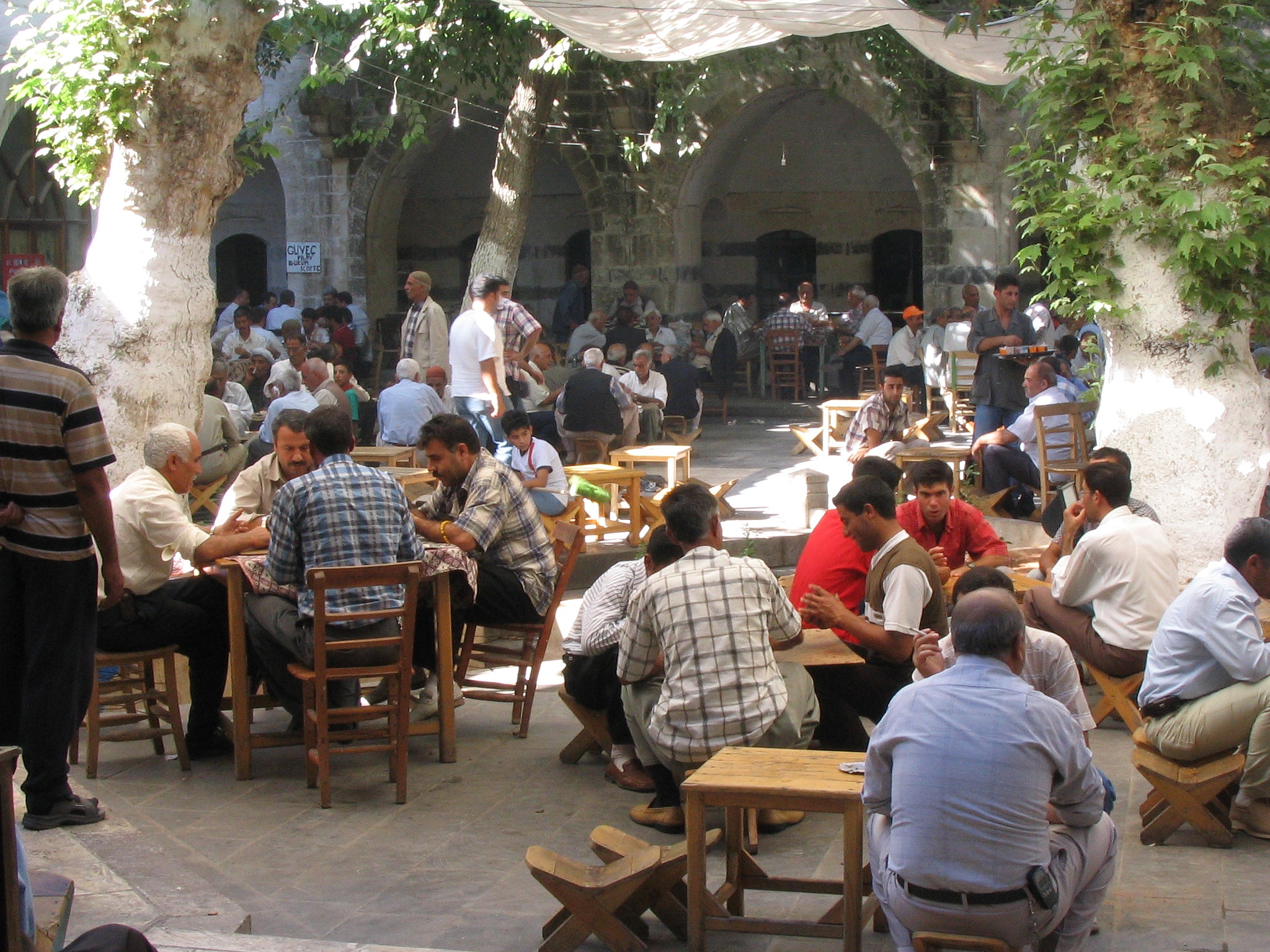
Şanlıurfa Bazaar
Market & ShoppingUrfa's old covered bazaar, spreading out near Balıklıgöl, is one of the most evocative traditional markets in Turkey, its vaulted lanes and stone khans little changed in feel for centuries. Coppersmiths, felt-makers, tailors, and spice sellers work their trades along dedicated alleys, and the air carries cumin, isot pepper, and roasting coffee. The centerpiece is the Gümrük Han, a 16th-century caravanserai whose shaded courtyard is packed with low stools where local men drink bitter, cardamom-scented mırra coffee and play games in a scene that feels ageless. Look for isot, the smoky Urfa pepper, along with hand-woven textiles and copperware to take home. It is a genuine working bazaar rather than a tourist bubble, so haggling is expected and warm banter goes a long way. Nearby, the Şanlıurfa Archaeology Museum and the Haleplibahçe Mosaic Museum are outstanding and well worth pairing with a market wander. Go slowly and let yourself get lost among the stalls.
🎯Things to do & experiences — Mardin & Şanlıurfa
🎈Watch the sun set over the Mesopotamian plain from a Mardin rooftop terrace
🎈Stand inside the roughly 11,500-year-old enclosures of Göbeklitepe
🎈Feed the sacred carp at Balıklıgöl and visit the cave revered as Abraham's birthplace
🎈Hear Aramaic prayer at the Syriac monastery of Deyrulzafaran
🎈Step inside Harran's cool mudbrick beehive houses
🎈Drink bitter mırra coffee in a centuries-old caravanserai courtyard in Urfa
🎈See the Urfa Man, the world's oldest known life-size human statue, at the Şanlıurfa Archaeology Museum
🍴Where & what to eat — Mardin & Şanlıurfa
The southeast eats fierce and flavorful, and Şanlıurfa in particular is a serious kebab city where the sun-dried isot pepper lends a smoky, raisin-like heat to almost everything. Meals are ceremonial and generous, often ending with strong tea or a tiny cup of bitter mırra. Both cities keep largely to a devout, mostly alcohol-free table.
🍽️Urfa kebab: skewered lamb seasoned with smoky isot pepper, milder-looking than its Adana cousin but deeply flavored
🍽️Çiğ köfte: raw bulgur and spice paste kneaded for hours, historically with meat, now often meat-free and eaten wrapped in lettuce with lemon
🍽️Lahmacun: thin, crisp flatbread with spiced minced lamb, a southeastern staple done especially well here
🍽️İçli köfte: bulgur shells stuffed with spiced meat and walnuts, then boiled or fried
🍽️Şıllık: a syrup-soaked, crepe-like walnut dessert typical of the Urfa region
🍽️Mırra: intensely bitter, cardamom-scented boiled coffee served in tiny cups as a ritual of hospitality
Plan your trip with Seen