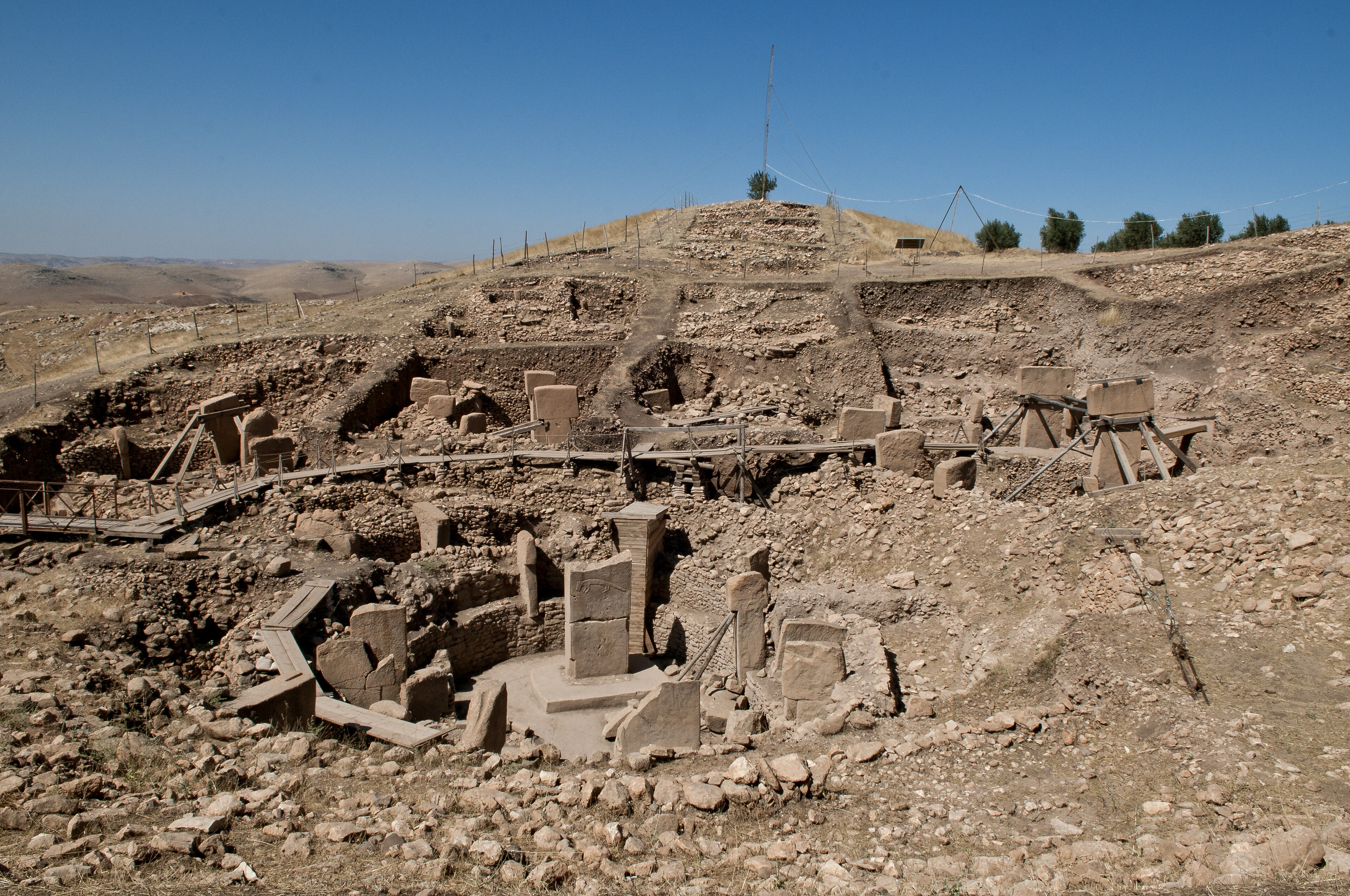
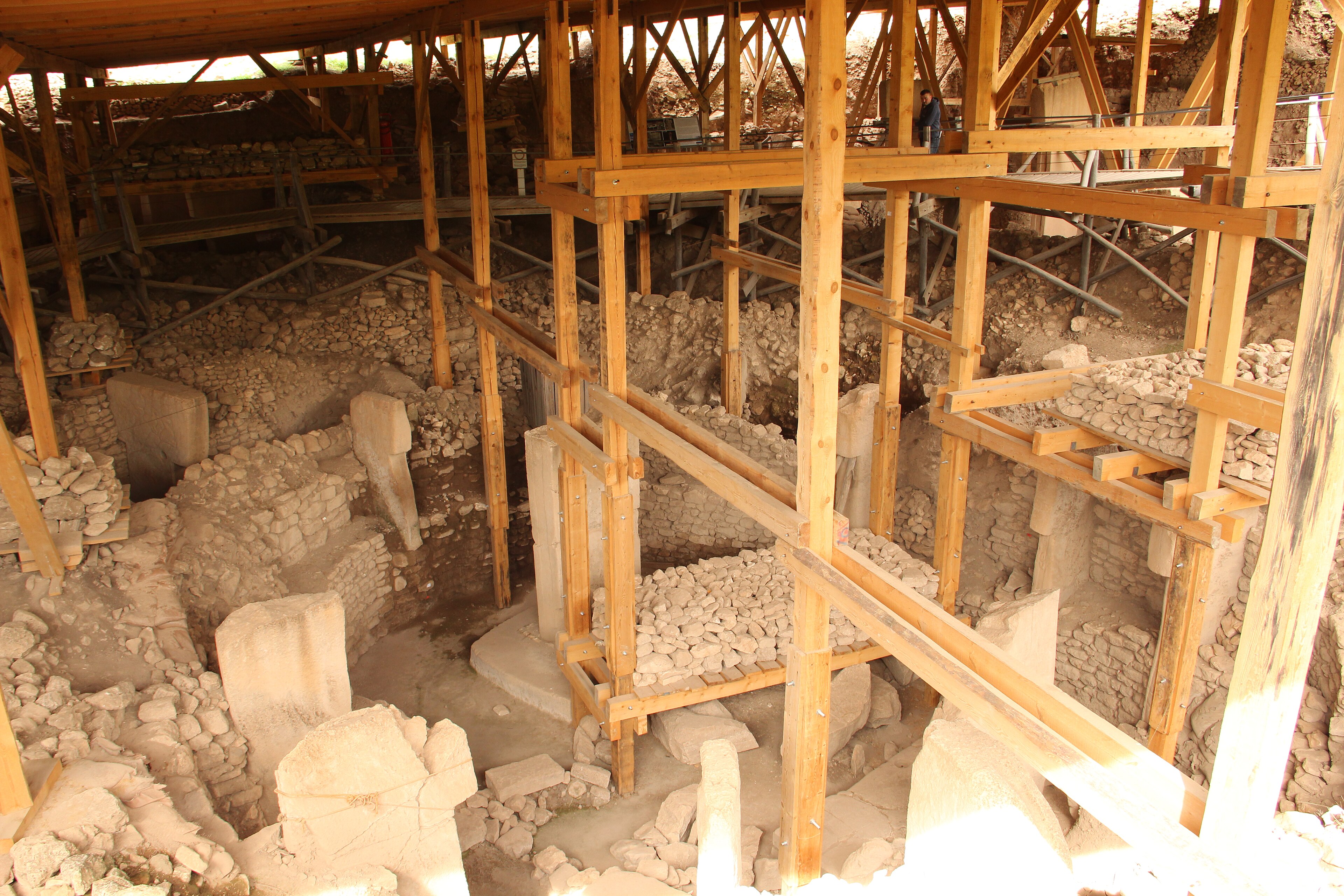
On a windswept ridge northeast of Şanlıurfa stands Göbeklitepe, arguably the most important archaeological site of our age and a UNESCO World Heritage site. Its great enclosures of T-shaped limestone pillars, some over five meters tall and carved in relief with foxes, boars, snakes, scorpions, and vultures, were raised around 9600 BCE, making them roughly 11,500 years old, older than Stonehenge and the pyramids by many thousands of years. Built by hunter-gatherers before pottery, metal, writing, or farming, the site upended the long-held assumption that settled agriculture came first and monumental religion followed. Excavated from 1995 under the German archaeologist Klaus Schmidt, it now sits under a sweeping protective canopy with elevated walkways that let you look down into the enclosures. On-site interpretation is fairly modest, so pairing the visit with the superb Şanlıurfa Archaeology Museum in town, which holds original pillars and finds, hugely enriches the experience. It is humbling in the truest sense of the word.
Plan your trip with Seen