📍Destinations — Alexandria
Pick a destination for full details
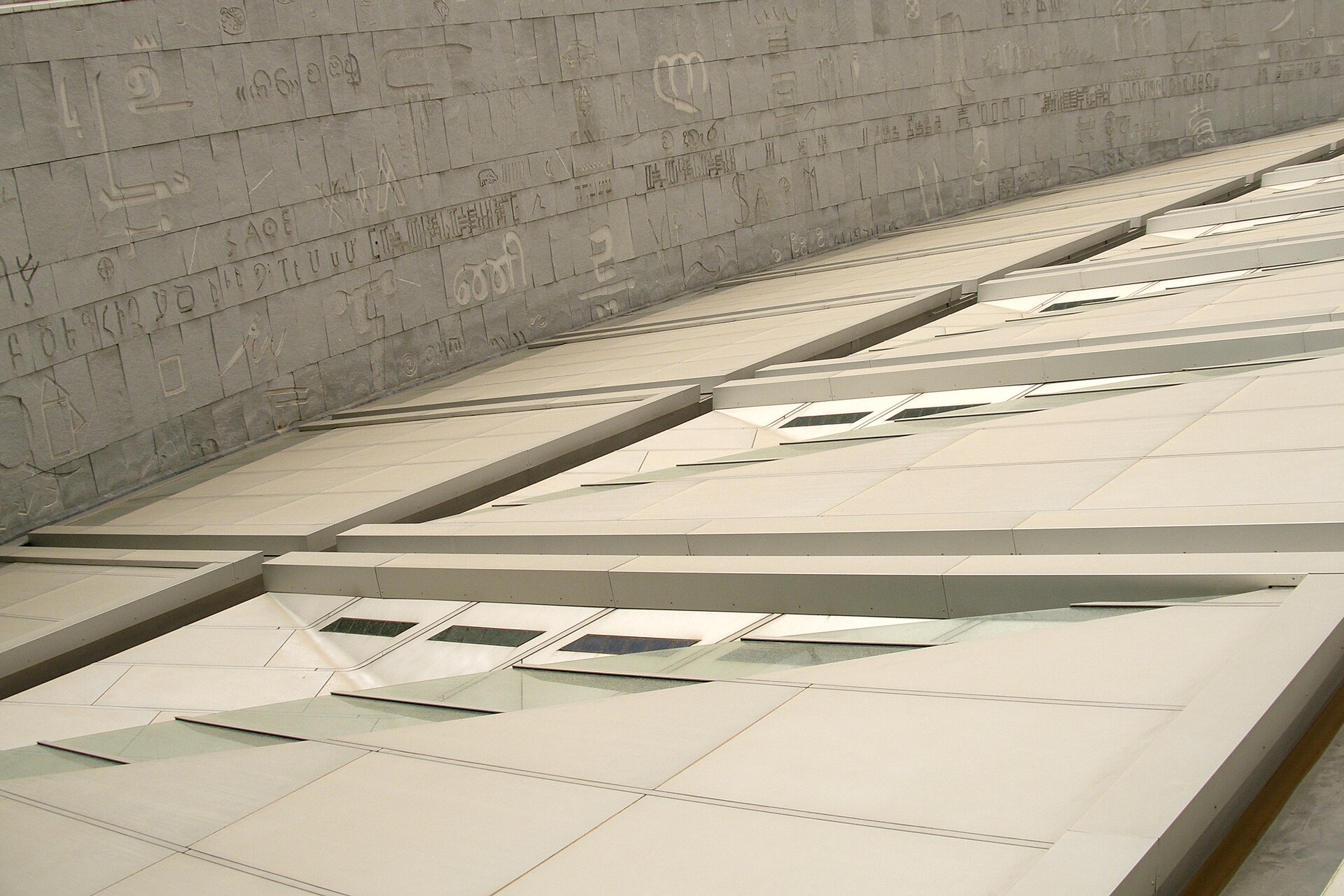
Bibliotheca Alexandrina
Modern libraryThe Bibliotheca Alexandrina is a deliberate modern echo of the lost ancient library, and the building itself is the main event: a vast tilted disc of grey Aswan granite whose outer wall is carved with letters and characters from around 120 of the world's writing systems, angled toward the sea like a second rising sun. Inside, the main reading room is one of the largest on earth, stepping down over cascading terraces beneath a great slanted glass roof, and you can walk the galleries above it even without a reader's card. The complex is really a cultural campus, holding several museums (antiquities, manuscripts, and the Sadat museum), rotating art shows, a planetarium in a suspended sphere out front, and archives of rare books and maps. Guided tours run regularly and are worth taking to make sense of the symbolism built into the design. Give it a couple of hours, and photograph the reading hall from the upper viewing gallery.
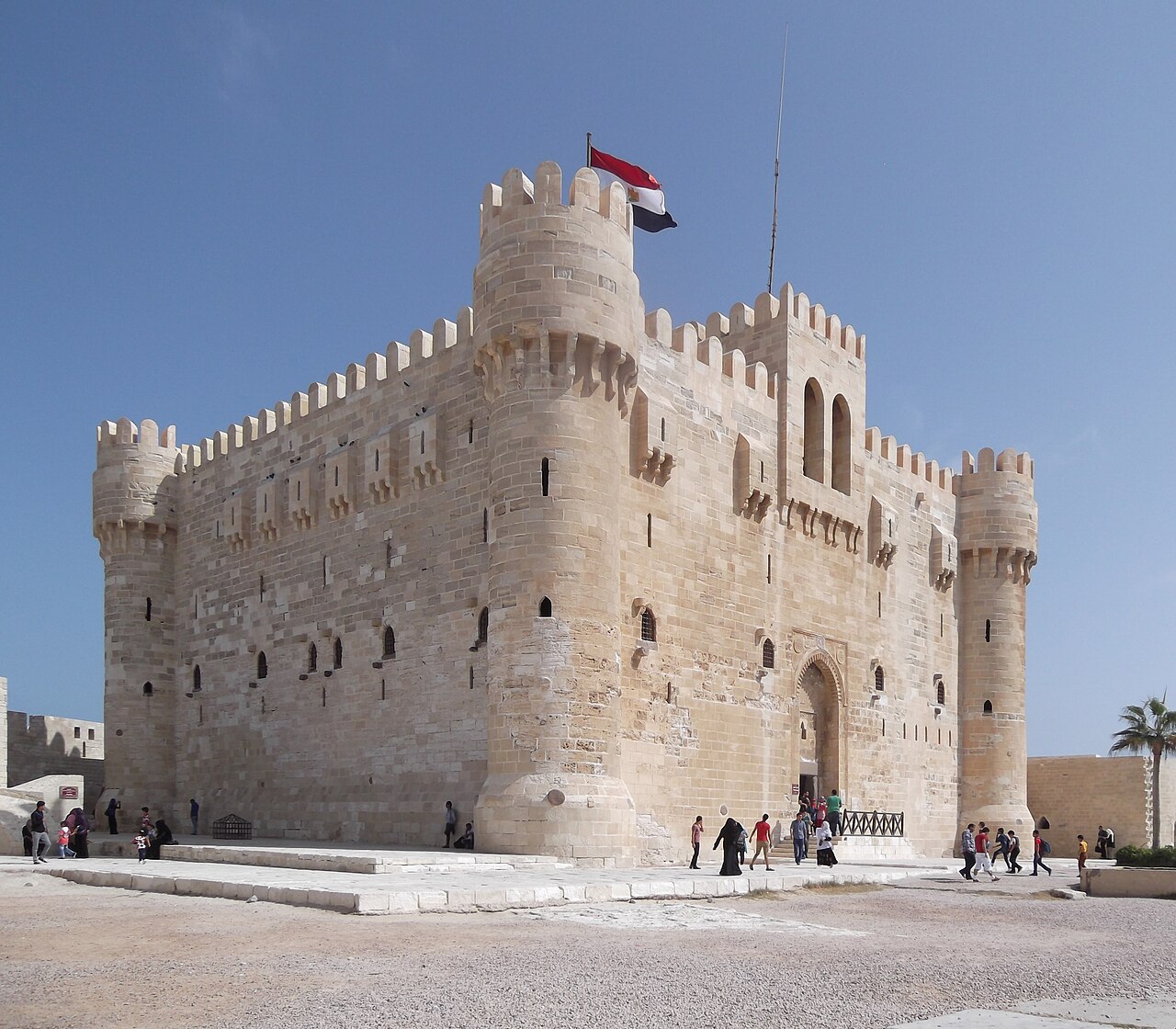
Citadel of Qaitbay
Seafront fortressQaitbay Fort stands on the tip of a spit at the mouth of the Eastern Harbour, on the exact spot where the Pharos Lighthouse, one of the Seven Wonders, stood until earthquakes finally toppled it in the 1300s. Sultan Qaitbay raised the fortress in the 1480s partly from the lighthouse's own fallen stone, and if you look closely at the base of the walls you can pick out recycled pink granite columns laid on their sides. The squat white keep is compact but atmospheric: you climb tight spiral stairs through cannon galleries and a little mosque to rooftop ramparts with a full sweep of the harbour, the fishing fleet, and the corniche curving away toward downtown. The setting is the real draw, with sea on three sides, spray on the rocks, and families fishing along the causeway. Divers have mapped fallen lighthouse blocks and ancient sphinxes lying in the harbour just offshore, though that underwater site is not casually accessible.
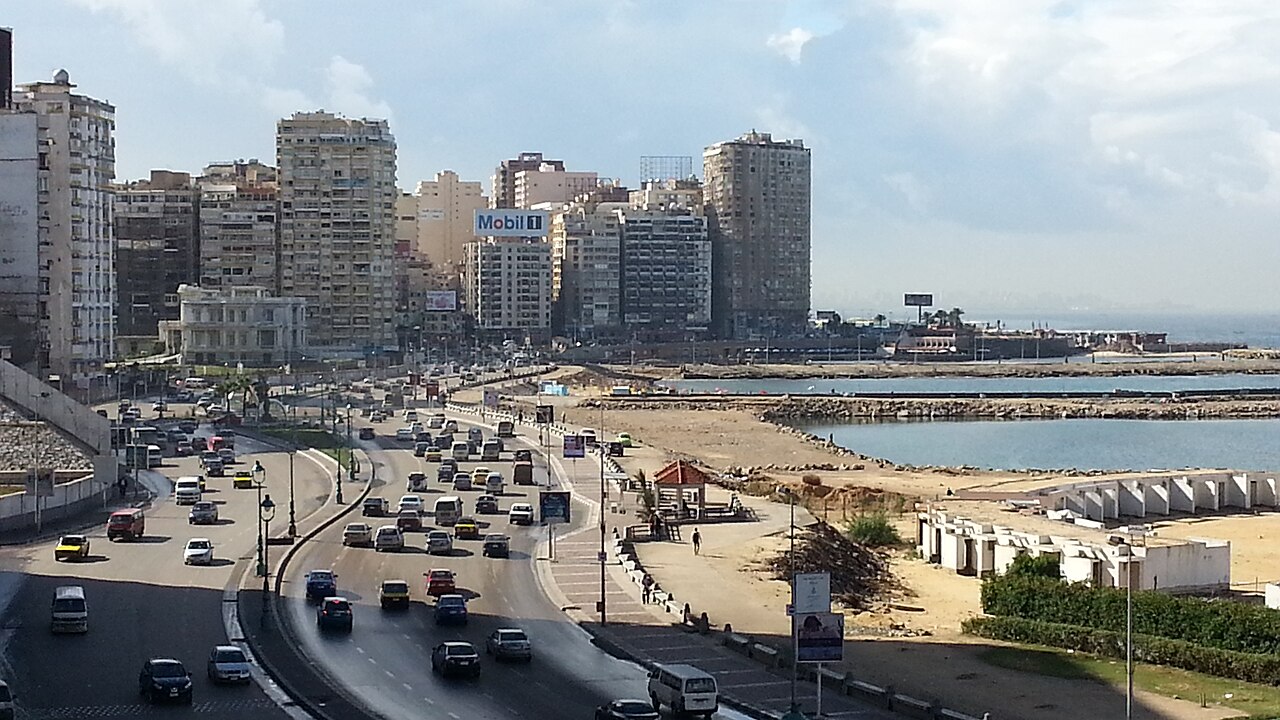
The Corniche
Seafront promenadeThe Corniche is Alexandria's spine and its social heart, a broad seafront boulevard that runs in a great curve for more than fifteen kilometres from Qaitbay past downtown to Montaza. It is less a sight than the stage on which the city lives. In the evening families spread out along the sea wall, boys dive off the rocks, vendors sell grilled corn and termis (lupini beans) and freshly pressed sugarcane juice, and the whole promenade fills with people taking the breeze. Behind it stands a wall of weathered Italianate and Art Deco apartment blocks, survivors of the cosmopolitan city of the early twentieth century, when Greeks, Italians, and Levantines shared this seafront. The stretch around Raml Station and Saad Zaghloul Square is the liveliest, near the old Trianon and Delices cafes and the historic Cecil Hotel. A caleche (horse carriage) ride or a slow walk at dusk is how locals do it.
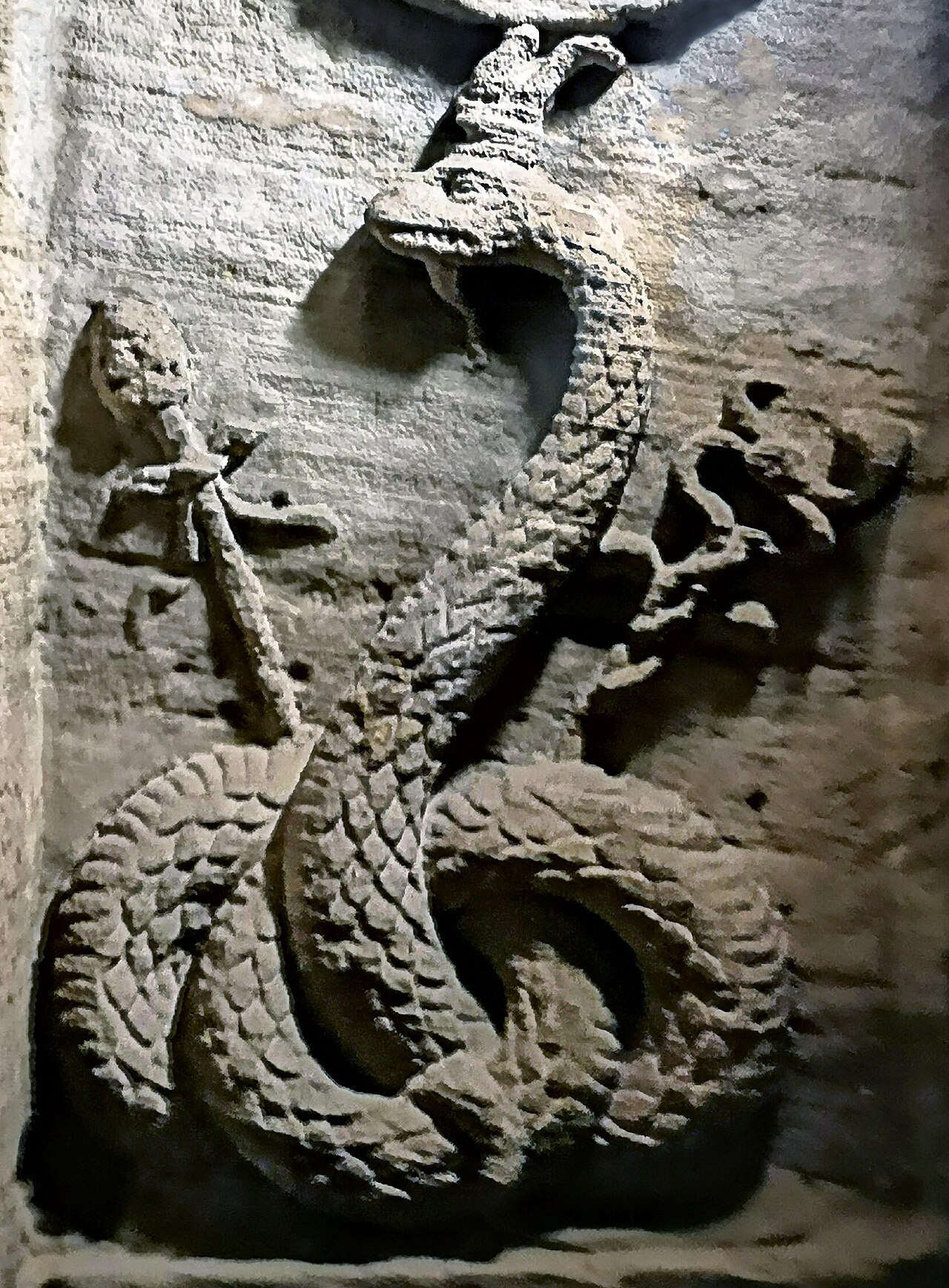
Catacombs of Kom el Shoqafa
Roman necropolisDiscovered by accident in 1900, when a donkey is said to have fallen through the ground, the Catacombs of Kom el Shoqafa are the largest known Roman burial complex in Egypt and the strangest sight in the city. You descend a spiral staircase wrapped around a deep central shaft, once used to lower the dead by rope, into three levels cut into the rock (the lowest now flooded and closed). The showpiece is a burial chamber where two worlds collide: an Egyptian-style tomb guarded by the god Anubis, but Anubis dressed as a Roman legionary, and pharaonic figures carved with Greco-Roman faces and drapery. A separate space, the Hall of Caracalla, holds the bones of people and horses tied to a Roman massacre. The name means mound of shards, after the broken pottery left by mourners who held funeral feasts down here. It is cool, dim, and genuinely eerie, unlike anywhere else in Egypt.
Montaza Palace Gardens
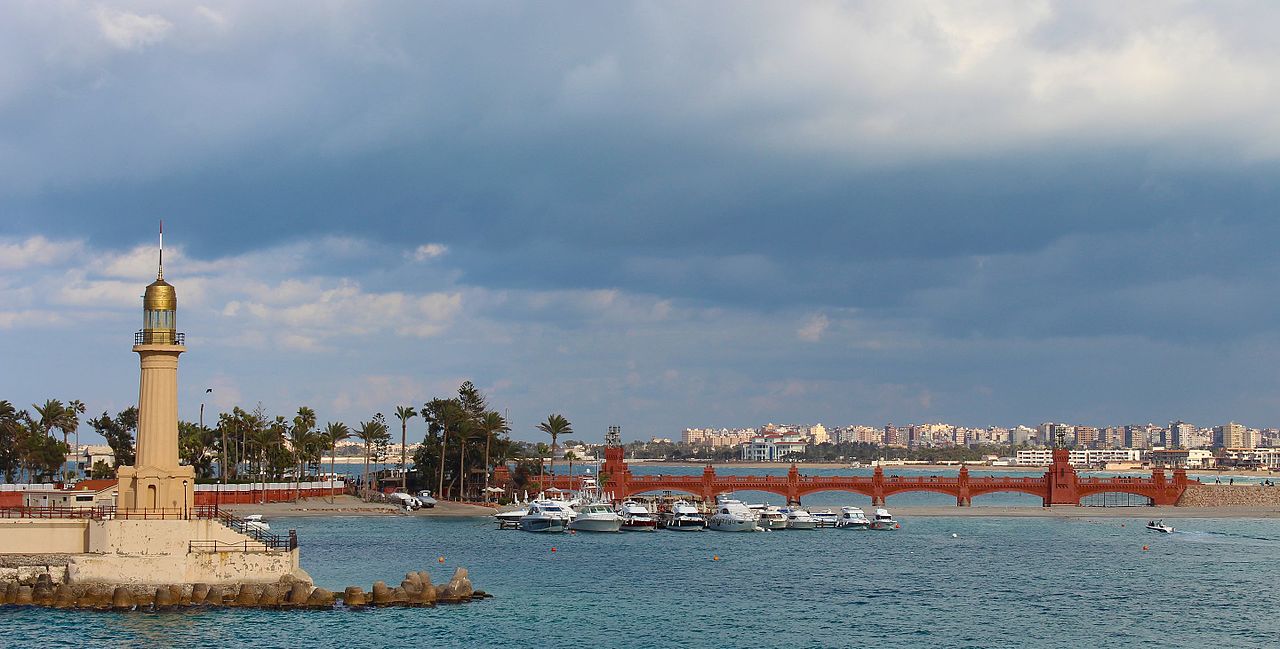
Royal gardensAt the eastern end of the city, the Montaza gardens sprawl over hundreds of acres of pine and palm along a rocky, cove-cut shoreline that was once the summer estate of Egypt's royal family. The centrepiece is the Haramlik Palace, a florid blend of Turkish and Florentine styles built by King Fuad in the 1930s, with a tall clock tower modelled loosely on Florence's Palazzo Vecchio; the interior is generally closed, so the grounds are the point. You pay to enter and wander manicured lawns, shady groves, and a much-photographed curved bridge out to a small island, with private-feeling beaches tucked into the coves below. It is a favourite weekend picnic spot for Alexandrian families and a real green escape from the dense city. A couple of hotels sit inside the estate, so you can also come simply for a meal or a beach day with the palace as a backdrop and the Mediterranean in front of you.
Pompey's Pillar & the Serapeum
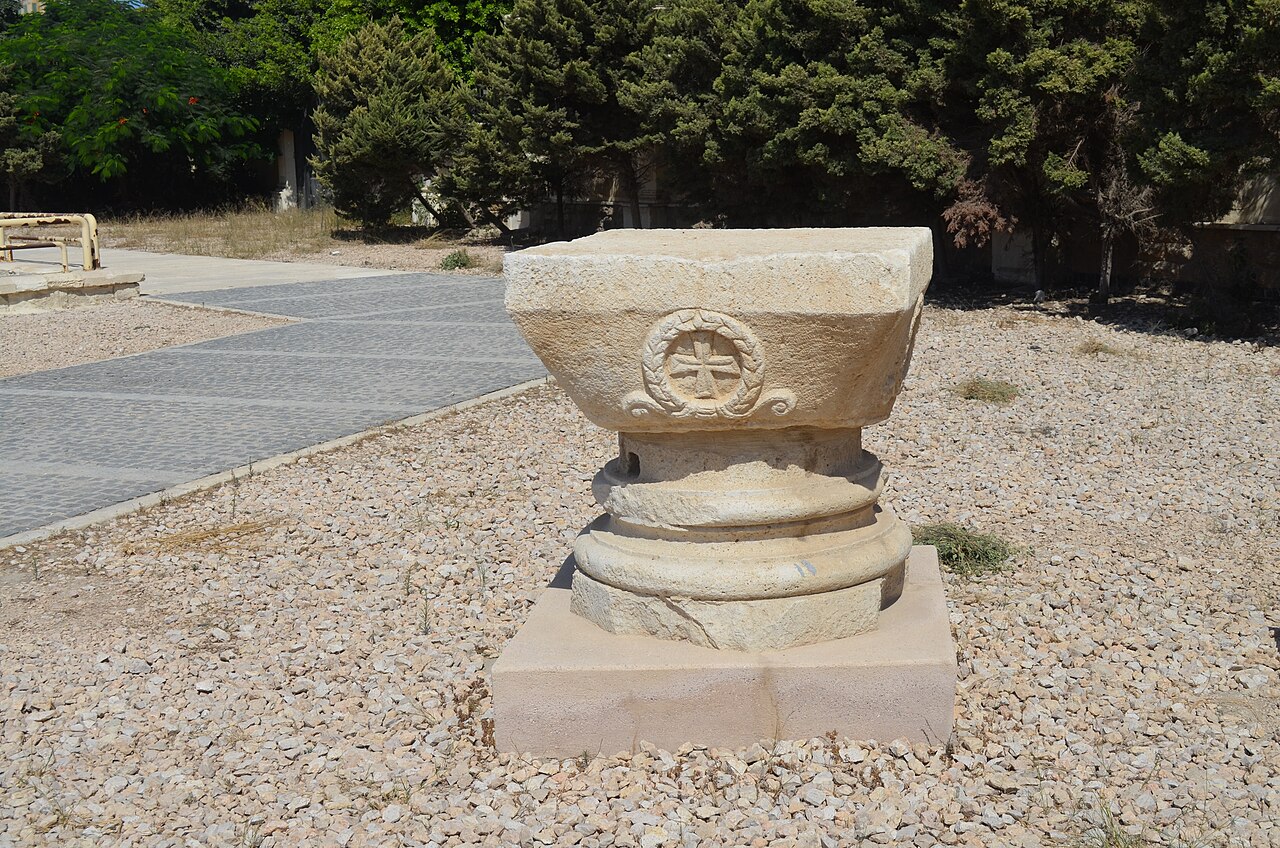
Roman monumentPompey's Pillar is a single monumental column of polished red Aswan granite, close to twenty-seven metres tall, standing on the low hill of the ancient Serapeum, the temple of the god Serapis that was once one of Alexandria's grandest sacred sites. The name is a medieval mistake: Crusaders assumed it marked Pompey's grave, but an inscription on the base shows it was actually raised around 297 AD in honour of the emperor Diocletian. It is among the tallest ancient monolithic columns still standing where it was first set up. Around it lie the scattered remains of the temple complex, a pair of granite sphinxes, and, most interestingly, underground galleries that once held the Serapeum's sacred archives and part of the great library's overflow. The site is compact and open-air, more a quick stop than a half-day, but it carries huge weight as the last above-ground trace of ancient Alexandria's most important temple.
🎯Things to do & experiences — Alexandria
The most Alexandrian thing you can do. In the Anfoushi and Bahari fishing quarter near Qaitbay, you choose your fish, prawns, and calamari fresh off the ice at the counter, watch it weighed and priced, then have it grilled or fried to order and served with salads, tahina, and bread. Go hungry, arrive mid-afternoon to beat the family dinner rush, and always confirm the price by weight before it hits the grill.
In the centre of town near Raml Station sit the excavated ruins of Kom el-Dikka, including the only Roman amphitheatre found in Egypt, with tiered marble seating, a bath complex, and the Villa of the Birds with its fine floor mosaics. It is a compact, easy, open-air site that most day-trippers skip entirely, and it fills in the Roman chapter of the city's story in under an hour.
Alexandria's old European cafes and patisseries are institutions. Trianon, Delices, and the Brazilian Coffee Store around Raml Station and Saad Zaghloul Square have poured coffee since the early 1900s. Sit where the poet Cavafy and the cosmopolitan Alexandria of Durrell's novels once did, order a coffee and a slice of gateau, and watch downtown drift past. It is the easiest way to feel the city's lost Greek and Italian decades.
The horse-drawn carriages (caleche or hantour) that wait along the seafront are a leisurely, old-fashioned way to cover a stretch of the Corniche as the light softens over the harbour. It is touristy but genuinely pleasant at golden hour. Agree the price and the route clearly before you climb in, since fares are negotiated, not fixed.
About two hours west along the coast, El Alamein was the site of the decisive Second World War desert battle, with three sombre war cemeteries (Commonwealth, German, and Italian) and a military museum. It is a moving, uncrowded half-day for history-minded travellers, and it pairs naturally with the North Coast beaches on the way back. Bring water and sun cover, as the sites are exposed.
In summer the eastern beaches at Maamoura and Montaza, and the resort strip of the North Coast (the Sahel) beyond the city, are where Alexandrians and Cairenes head for the mild Mediterranean water. The sea here is cooler and choppier than the Red Sea, better for a paddle, a sunset, and people-watching than for serious swimming, but it is the local summer ritual.
🍴Where & what to eat — Alexandria
Alexandria is, above all, a seafood city, and eating here means the day's catch from the Mediterranean, chosen fresh and cooked simply. The heart of it is the Bahari and Anfoushi fishing district near Qaitbay, but the city also has its own street-food specialities and a legacy of Greek, Italian, and Levantine cooking from its cosmopolitan past. A fish meal is priced by weight against the day's market rate, so always confirm the cost before ordering.
The signature meal: seafood restaurants clustered in the Bahari district where you choose from iced displays of sea bass, bream, red mullet, prawns, and crab, priced by weight, then have it grilled over charcoal or fried and brought to the table with salads, rice, and tahina. It is the experience to build a whole day around.
A classic Alexandrian fish-and-rice dish: white fish baked or stewed over rice cooked in a deep, caramelised onion and cumin broth that turns it golden brown. Rich, warming, and found on almost every seafood menu in the city, it is more interesting than a plain grill if you want to taste something local.
The city's most famous street food: thin slices of beef liver flash-fried with garlic, chilli, cumin, and green pepper, then piled into a baladi bread roll. Fiery and garlicky, it is sold from specialist stalls and hole-in-the-wall shops all over town, and locals are fiercely loyal to their favourite spot.
A traditional delicacy of fermented, salted grey mullet, eaten especially at the spring Sham el-Nessim festival. It is a strongly acquired taste and, importantly, a genuine food-safety risk if poorly prepared. Only ever try it from a long-established, reputable fasakhani, and many visitors are honestly better off admiring it from a distance.
Downtown institutions such as Trianon and Delices near Raml Station carry the flavour of Alexandria's Greek and Italian decades, serving European-style gateaux, ice cream, and strong coffee in grand early-twentieth-century rooms. Come for an afternoon coffee and cake rather than a full meal.
Along the seafront and in the markets, look for termis (lupini beans), roasted sweet potato in winter, freska (a crisp sesame flatbread), and the ever-present fresh sugarcane juice. These cheap snacks are part of the ritual of an evening walk on the Corniche, eaten standing by the sea wall.
Plan your trip with Seen