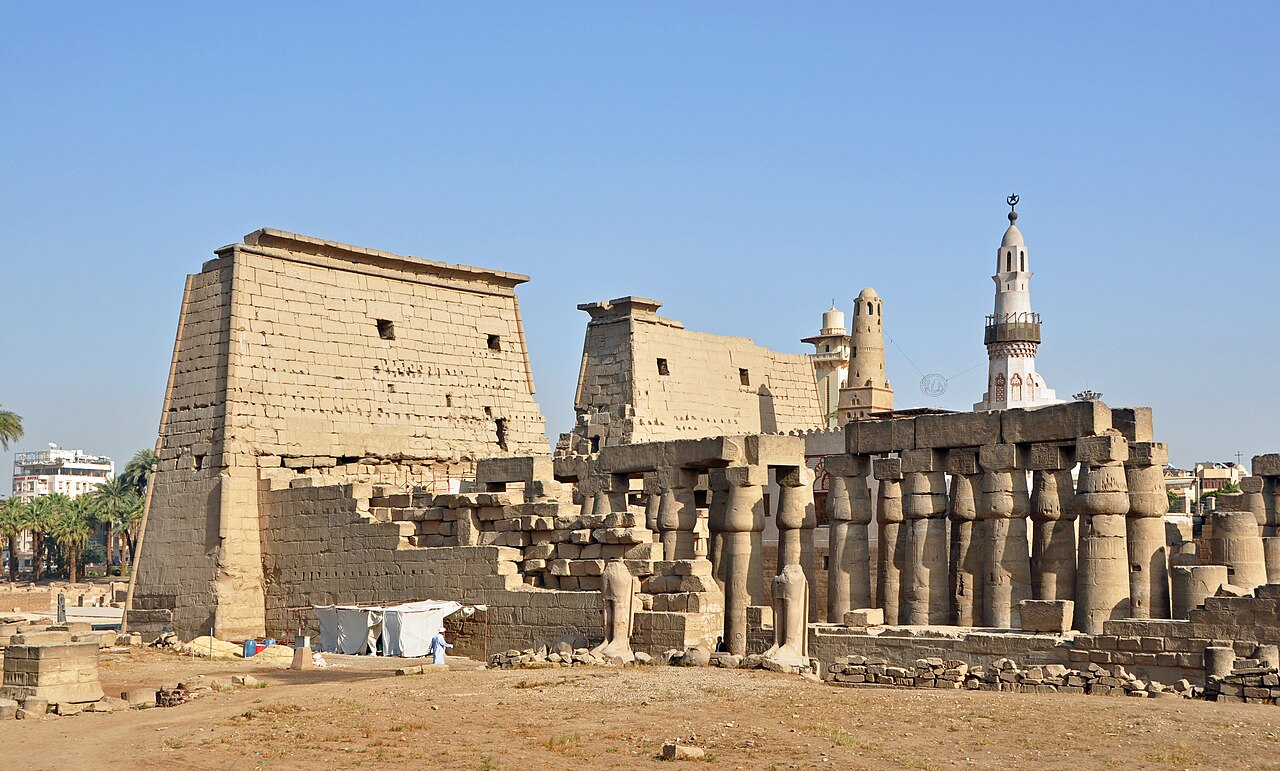
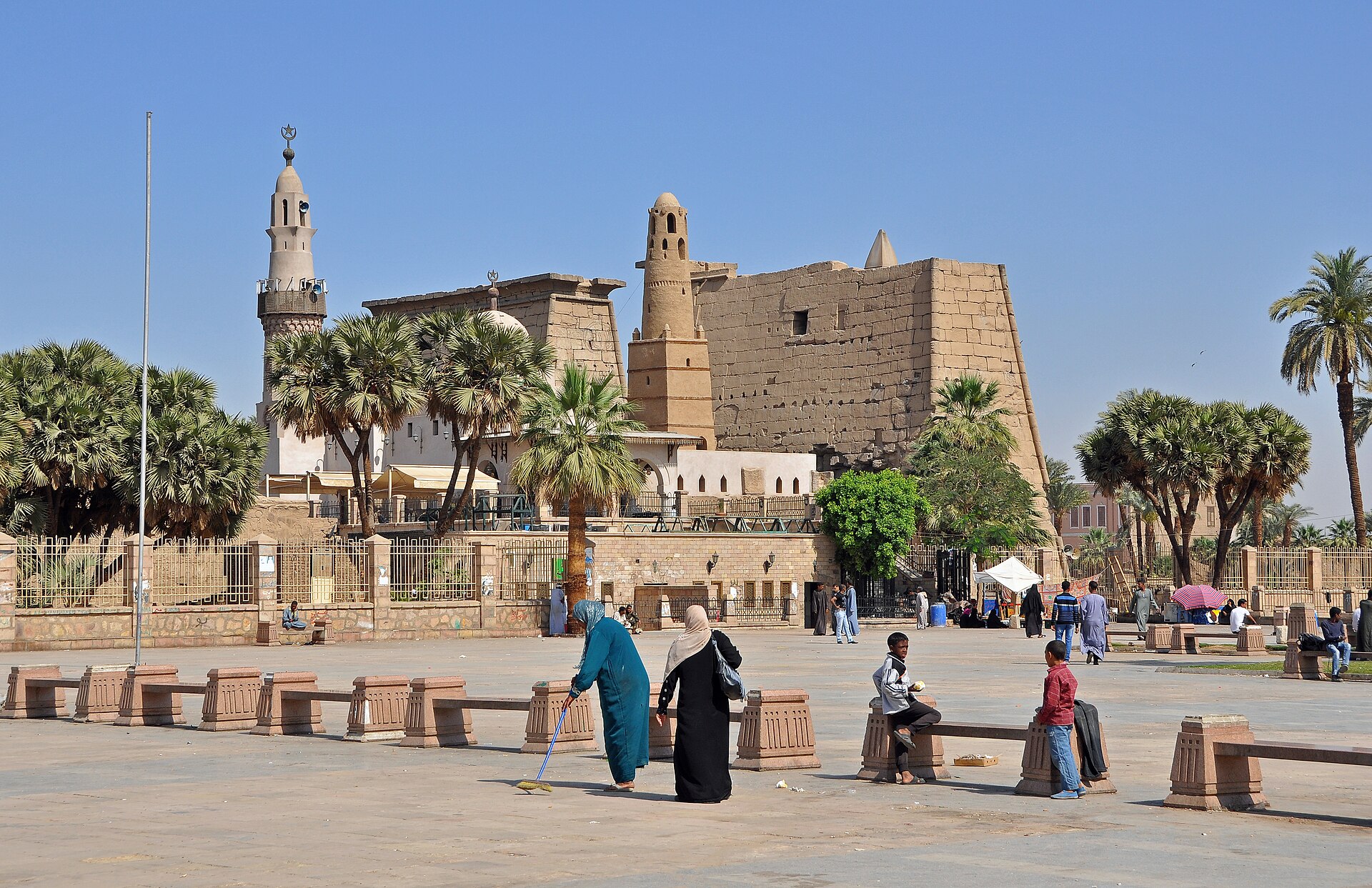
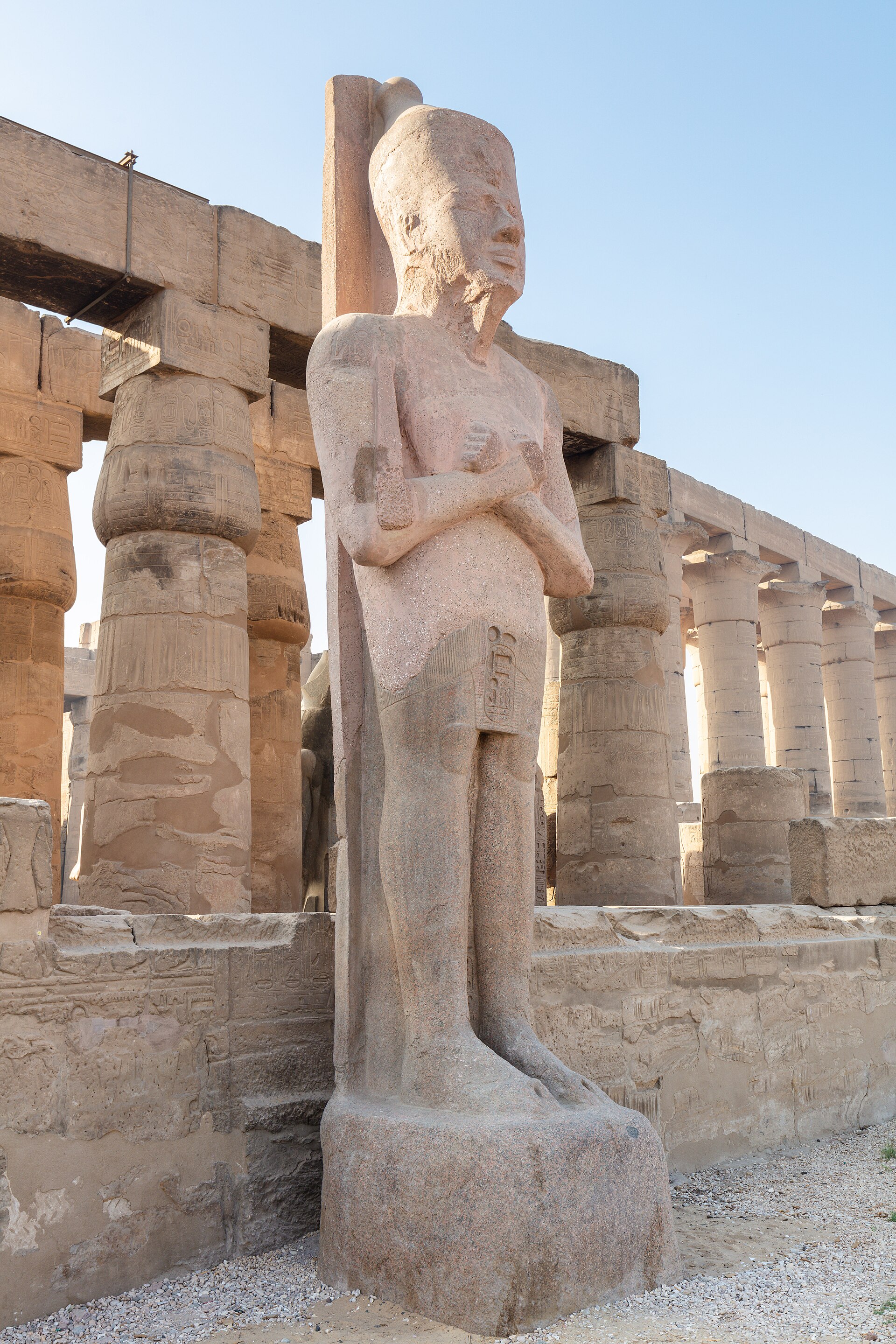
Right in the centre of town on the Nile corniche, Luxor Temple is more intimate and coherent than Karnak, and best saved for after dark. The entrance pylon is flanked by giant seated statues of Ramesses II and a single pink-granite obelisk, its twin standing in Paris on the Place de la Concorde. Beyond lies the graceful colonnade of Amenhotep III, its papyrus columns among the most elegant in Egypt, leading to sun-drenched courts and inner sanctuaries. What makes the temple unusual is its layers: a medieval mosque, still in use, perches improbably halfway up one wall, and faded Roman and early-Christian paintings mark where it once served as a church, three thousand years of continuous worship on a single spot. The recently reopened Avenue of Sphinxes, a nearly three-kilometre processional road, again links it to Karnak. Come in the evening, when floodlights turn the columns gold and the crowds thin.
Plan your trip with Seen