🧭Ways to experience — Thailand
Thailand's islands are the headline act, with enough variety to suit every style of traveler. On the Andaman side, Phuket is the big all-rounder with an airport and every kind of resort, Krabi (Railay and Ao Nang) delivers dramatic limestone cliffs reached by longtail boat, and Koh Phi Phi is the postcard of soaring karst walls over turquoise bays. Over on the Gulf, Koh Samui offers polished resorts and easy flights, while quieter Koh Lanta and Koh Yao Noi suit families who want calm, shallow water and fewer crowds.
Thailand's temples are open-air masterpieces of gilded roofs, mirrored spires, and giant reclining Buddhas. In Bangkok, the Grand Palace, riverside Wat Arun, and Wat Pho with its 46-metre reclining Buddha show the style at its most ornate. North of the capital, the UNESCO-listed ruins of Ayutthaya, a former royal capital of brick prangs and weathered Buddha statues, and the 13th-century park at Sukhothai reveal the older architecture the modern temples grew from. Dress modestly, covering shoulders and knees, to enter any active temple.
Eating is a destination in itself here. Bangkok's stalls and night markets serve wok-fried noodles, grilled satay, and papaya salad pounded to order, often for a dollar or two, and some of the city's street-food cooks have earned Michelin recognition. Beyond the capital, every region has its own repertoire, from fiery southern curries to the northern khao soi and Isaan grilled meats with sticky rice, so food alone is a reason to travel around the country.
Inland, Thailand turns wild and green. Khao Sok National Park in the south is one of the world's oldest rainforests, a landscape of towering limestone karsts, the jade-green Cheow Lan Lake, and floating raft-house stays, while Khao Yai near Bangkok has waterfalls and genuinely wild elephants. To meet elephants responsibly, choose an ethical sanctuary that lets you observe, feed, and walk beside the animals rather than ride them; reputable centers around Chiang Mai and Phuket have moved away from riding and circus-style shows.
Thailand's nightlife runs from stylish to full-throttle. Bangkok pairs sophisticated rooftop bars and riverside lounges with buzzing night markets and late-night street eats. Pattaya, about two hours from the capital, is the brash, high-energy beach resort, while the islands peak with Koh Phangan's famous Full Moon Party on the beach. For a mellower evening, Chiang Mai and the smaller islands offer night bazaars, live-music bars, and easygoing beach clubs.
Thailand is one of the world's most accessible places to get underwater. The Similan Islands off the Andaman coast are a bucket-list dive destination for clear water, granite boulders, and abundant reef life, usually reached by liveaboard between November and April. Koh Tao in the Gulf is famous as one of the cheapest and busiest places on the planet to earn a scuba certification, with warm, shallow water ideal for beginners, and snorkelers find easy reefs off Phi Phi, the Surin Islands, and countless day-trip bays.
Thailand is a global wellness hub, and Thai massage, an ancient stretch-and-pressure therapy recognized by UNESCO as intangible cultural heritage, is available everywhere from simple shophouse parlors (often a few dollars an hour) to luxury spa resorts. The islands and Chiang Mai are dotted with yoga retreats, detox and wellness resorts, and traditional herbal-compress and spa treatments. A foot massage after a long day of temples or beaches is practically a national ritual.
✈️Getting there & around
Getting to Thailand from the Gulf is straightforward, with frequent direct and one-stop flights from cities like Jeddah, Riyadh, Dubai, Abu Dhabi, Doha, Kuwait, Manama, and Muscat. The main international gateway is Bangkok's Suvarnabhumi Airport (BKK); the capital's second airport, Don Mueang (DMK), handles many budget and domestic flights. If a beach holiday is your goal you can also fly straight into the south: Phuket (HKT), Krabi (KBV), Koh Samui (USM), or Chiang Mai (CNX) in the north, often via a quick connection in Bangkok. Carriers such as Thai Airways, Emirates, Qatar Airways, Etihad, Saudia, Gulf Air, and Kuwait Airways serve these routes.
Getting around is easy and part of the fun. Domestic flights are cheap and quick, linking Bangkok with every major region in about an hour, on airlines like Bangkok Airways, Thai AirAsia, Nok Air, and Thai Lion Air. In Bangkok itself the BTS Skytrain and MRT metro glide above and below the traffic, while breezy express boats run up and down the Chao Phraya River. Ride-hailing through the Grab app is reliable and metered in the cities, and the famous tuk-tuks are worth trying at least once (agree the price first). Between the southern islands you travel by ferry, longtail boat, or speedboat, and intercity travel is served by comfortable trains and buses.
Because the logistics of islands, ferries, and connecting flights can get complicated, especially for families, Seen Travels can arrange private airport transfers, inter-island transport, and fully tailored programs, so you spend your time enjoying Thailand rather than working out timetables.
🌤️Climate & best time
Thailand has a tropical monsoon climate with three broad seasons, and it is warm to hot all year, generally between the mid-20s and high-30s Celsius. The cool, dry season runs roughly from November to February and is the most pleasant time to visit almost everywhere: sunny skies, lower humidity, and comfortable evenings. The hot season follows from March to May, when temperatures climb, humidity builds, and Bangkok and the plains can feel intense. The rainy or monsoon season lasts from around June to October, brought by the southwest monsoon; rain often comes as heavy afternoon or evening downpours rather than all-day gloom, and the landscape turns lush and green.
The most important thing to understand is that Thailand's two coasts follow different rain patterns, because they face different seas. The Andaman coast in the west, home to Phuket, Krabi, and the Phi Phi Islands, is at its best from about November to April and tends to be wettest from May to October. The Gulf of Thailand coast in the east, home to Koh Samui, Koh Phangan, and Koh Tao, runs on a different clock: its heaviest rain falls late in the year, roughly October to December, with November usually the wettest month, while the middle of the year stays comparatively dry.
In practice this is great news for planning. When the Andaman side is soaked in the mid-year monsoon, the Gulf islands are often calm and sunny, so July and August can be excellent on Koh Samui. Conversely, for guaranteed December and January beach weather, the Andaman coast (Phuket, Krabi) is usually the safer bet, since Samui may still see some showers. The far north around Chiang Mai is cooler and drier in winter, with chilly mountain mornings, but note a hazy burning season from roughly late February into April when farmers clear fields.
🍽️Food & cuisine — Thailand
Thai food balances four core tastes (sweet, sour, salty, and spicy), often within a single dish, and meals are typically shared, with several plates around a communal bowl of rice. It is one of the world's great street-food cultures, cooked fresh to order at stalls and markets, and heat levels can almost always be adjusted if you ask. Note too that halal Thai-Muslim food is widely available in tourist areas and across the Muslim south, so Gulf travelers rarely struggle to eat well.
The country's signature stir-fried rice noodles, tossed with egg, tofu or shrimp, bean sprouts, and crushed peanuts in a sweet-sour tamarind sauce. It arrives with a wedge of lime and chili flakes on the side so you can tune it to taste, making it a perfect, mild introduction to Thai food.
Thailand's iconic hot-and-sour shrimp soup, fragrant with lemongrass, galangal, kaffir lime leaves, and chili. Bright, spicy, and aromatic, it is eaten as part of a shared meal, spooned over rice or sipped between other dishes.
Coconut-milk curries built on a pounded paste of chilies and herbs. Green curry (from fresh green chilies) is herbaceous and often the spicier of the two, while red curry (from dried red chilies) is deeper and a touch sweeter. Both come with chicken, beef, or vegetables and are ladled over steamed jasmine rice.
A rich, mild curry of Muslim-Thai origin, warmed with cinnamon, cardamom, star anise, and peanuts and slow-cooked with beef or chicken and potato. Comforting rather than fiery, it is a favorite for travelers who prefer gentler heat, and it lends itself naturally to halal versions.
Shredded unripe papaya pounded in a mortar with lime, chili, garlic, tomato, long beans, and fish sauce (peanuts and dried shrimp in the Thai-style version). Crunchy, sour, and often very spicy, it is the classic partner to grilled chicken and sticky rice; ask for fewer chilies if you are unsure of the heat.
The signature dish of northern Thailand: a coconut curry noodle soup topped with a tangle of crispy fried noodles and served with chicken or beef, shallots, pickled greens, and a squeeze of lime. Creamy and only mildly spiced, it is at its best in Chiang Mai.
Small, intensely flavored bowls of dark, herb-and-spice broth with noodles, beef or pork, and meatballs, historically sold from canal boats, which is how they got the name. They are served tiny and cheap, so locals happily stack up several empty bowls in one sitting.
Thailand's beloved dessert: sweet glutinous rice steamed in coconut milk and served with slices of ripe mango and a drizzle of salty-sweet coconut cream. Best during mango season (roughly March to June), it is sold everywhere from street carts to smart restaurants.
Skewers of marinated, turmeric-yellow grilled chicken, pork, or beef served with a rich peanut dipping sauce and a small dish of cucumber relish. A smoky, mild street-food staple and an easy crowd-pleaser for children.
The famous bright-orange sweet tea, brewed strong and served over ice with condensed and evaporated milk. Sweet and cooling in the heat, it is the classic street drink to wash down a spicy meal.
🚫Customs — what you can't bring
Thailand enforces its import rules strictly, and several items that are perfectly legal at home can lead to fines, confiscation, or even arrest here, with the ban on e-cigarettes and vapes the one that catches tourists most often. Separately, every arriving traveler must now complete the free Thailand Digital Arrival Card (TDAC) online within 72 hours before arrival and show its QR code at immigration. The list below covers the main restrictions on what you can bring in; always confirm the current details with the Thai Customs Department and your airline before you fly, as rules do change.
It is illegal to bring in, sell, possess, or use e-cigarettes, vape pens, vape liquid, or heat-not-burn devices (IQOS included) anywhere in Thailand, a ban in force since 2014. Being caught can mean on-the-spot confiscation, heavy fines, and in serious cases arrest or imprisonment, and enforcement happens right at the airport. Simply having a device in your luggage counts as possession, so leave all vaping gear at home.
Electronic hookah and shisha devices, known locally as 'baraku', fall under the same law as e-cigarettes and are prohibited to import or possess. Traditional waterpipe (nargileh) equipment and shisha tobacco are also treated as restricted, so do not pack them.
You may bring in up to 200 cigarettes (one carton), or 250 grams of cigars or smoking tobacco, per adult aged 20 or over, duty-free. This limit is strictly enforced: exceeding it can bring large fines (often several times the value of the goods) and confiscation, so never carry extra cartons for friends.
The duty-free allowance is 1 litre of wine or spirits per adult traveler aged 20 or over. Anything above the limit should be declared and duty paid; undeclared excess can be confiscated and fined at the border.
Some medications that are ordinary elsewhere are controlled in Thailand, including those containing pseudoephedrine, codeine, or other narcotic or psychotropic ingredients. Carry only a personal supply (roughly up to 30 days), keep everything in its original packaging, and bring a doctor's prescription or letter; controlled drugs may need prior approval from the Thai FDA, so check before travelling.
Drones must be registered with the Thai authorities (the CAAT civil-aviation body and the NBTC) before you fly them, and operating an unregistered drone can bring fines or confiscation. Arrange registration in advance if you plan to bring one.
Foreign currency equivalent to more than US$20,000 must be declared to Customs on arrival. There are also limits on carrying Thai baht in and out of the country, so declare large sums to avoid trouble.
Narcotics carry severe penalties in Thailand, up to life imprisonment or death for trafficking. Also prohibited or restricted are counterfeit goods, obscene material, and certain protected wildlife and ivory products. When in doubt, declare an item or leave it behind, and verify anything uncertain with Thai Customs.
ℹ️Practical info
🛂Visa & entry
Entry rules depend on nationality and change frequently, so always confirm the current requirements before you book. Many nationalities, including most Gulf and GCC travelers, can enter under a visa exemption or apply through Thailand's e-Visa system; note that visa-exempt stay lengths were revised in 2026, so check your exact allowance. Separately, all arrivals by air, land, or sea must now complete the free Thailand Digital Arrival Card (TDAC) online, generally within 72 hours before arrival, as it has replaced the old paper arrival card. Verify the latest rules on the official Thai e-Visa portal (thaievisa.go.th) and the Thai Immigration Bureau website, or ask Seen Travels to confirm for your passport.
See the latest visa updates in our news →💳Money
The currency is the Thai Baht (THB). Cards are widely accepted in hotels, malls, and larger restaurants in the cities and resort areas, but carry cash for markets, street food, tuk-tuks, longtail boats, and the smaller islands. ATMs are common though they often charge a fixed foreign-card withdrawal fee, and it is worth carrying smaller notes for taxis and vendors.
📶Connectivity
Local SIM cards and tourist data packages from providers like AIS, TrueMove, and dtac are cheap and sold at every airport arrivals hall, or you can buy an eSIM before you fly. Coverage is excellent in cities and main resort areas; free Wi-Fi is standard in hotels, cafes, and malls.
🛡️Safety
Thailand is generally safe and welcoming for visitors, including families. Take normal precautions with valuables in crowds and nightlife areas. Two practical cautions matter most: only travel between islands with licensed operators and check the weather, avoiding overloaded boats in rough seas; and think carefully before renting a scooter, as road accidents are the biggest risk to tourists, so always wear a helmet and be sure you are properly insured and licensed.
🤝Etiquette
Thai culture is gentle and respectful, and a little courtesy goes a long way. Dress modestly at temples, covering shoulders and knees, and remove your shoes before entering temple buildings and many homes and shops. The monarchy and Buddhist monks are deeply revered, so treat images of the king and all religious sites and objects with respect; women should not touch monks. Avoid pointing your feet at people or Buddha images, and keep public behaviour calm. Halal food is easy to find, especially in Bangkok, Phuket, and the southern provinces, and many hotels can cater to halal and family needs on request.
🗺️Cities & regions — Thailand
Pick a city to explore its destinations
📍 Bangkok
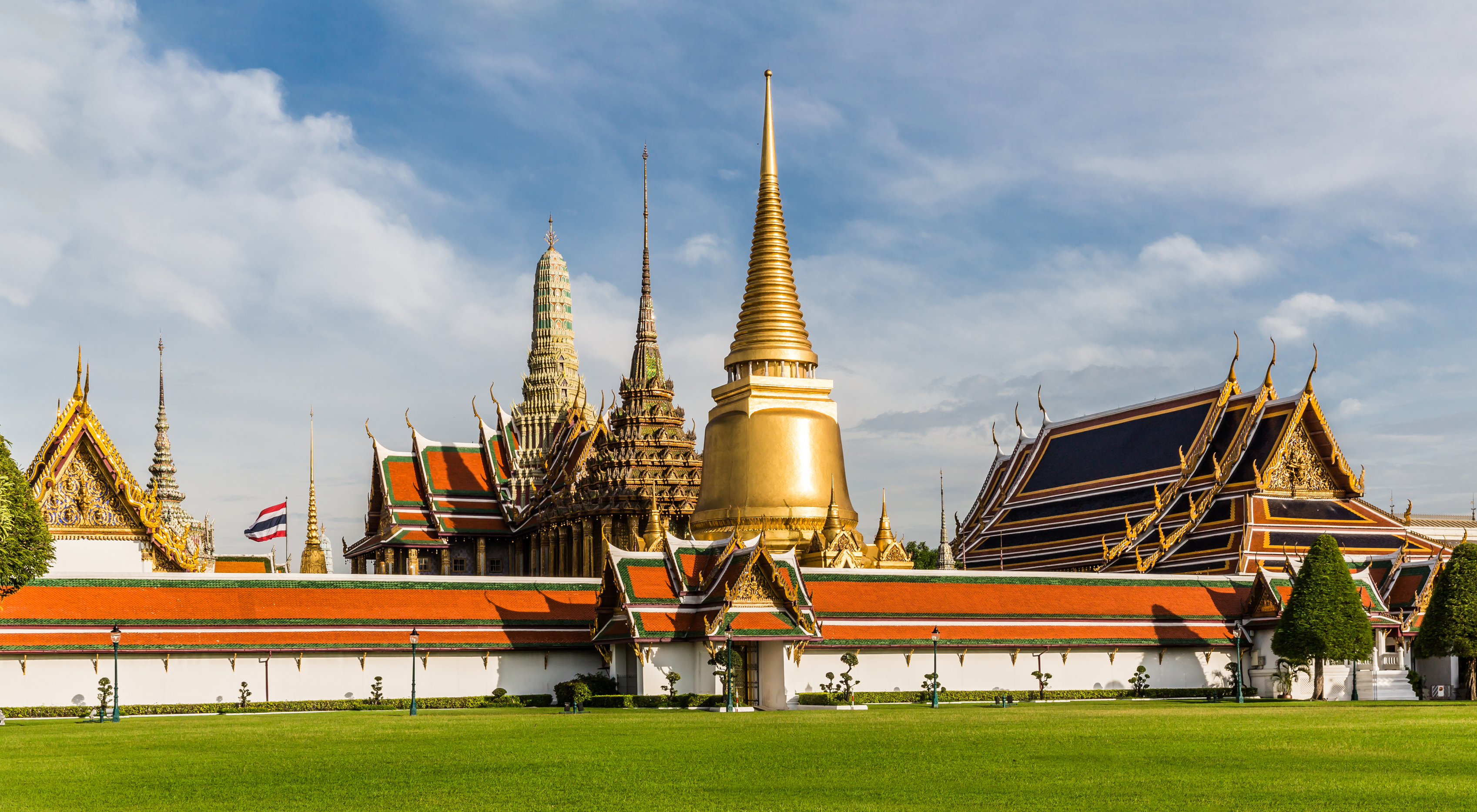
5 DestinationsBangkok, or Krung Thep to the Thais, is a city that runs on beautiful contradiction. Gilded royal temples and the wide, working Chao Phraya River sit in the shadow of glass towers, sky-high rooftop bars, and some of Asia's biggest air-conditioned malls. This is where almost every Thailand trip begins, and even two or three days reward you with grand palaces, a street-food culture that is genuinely world class, and shopping that runs from weekend flea markets to designer floors. The old royal quarter of Rattanakosin holds the headline sights, while neighbourhoods like Chinatown (Yaowarat) and the Arab-and-halal district around Sukhumvit Soi 3 give the city its round-the-clock energy. Get around above the jams on the BTS Skytrain and MRT metro, or glide past the temples by river boat. It is hot, loud, and endlessly rewarding, and it makes an easy, comfortable landing point for Gulf families.
Explore →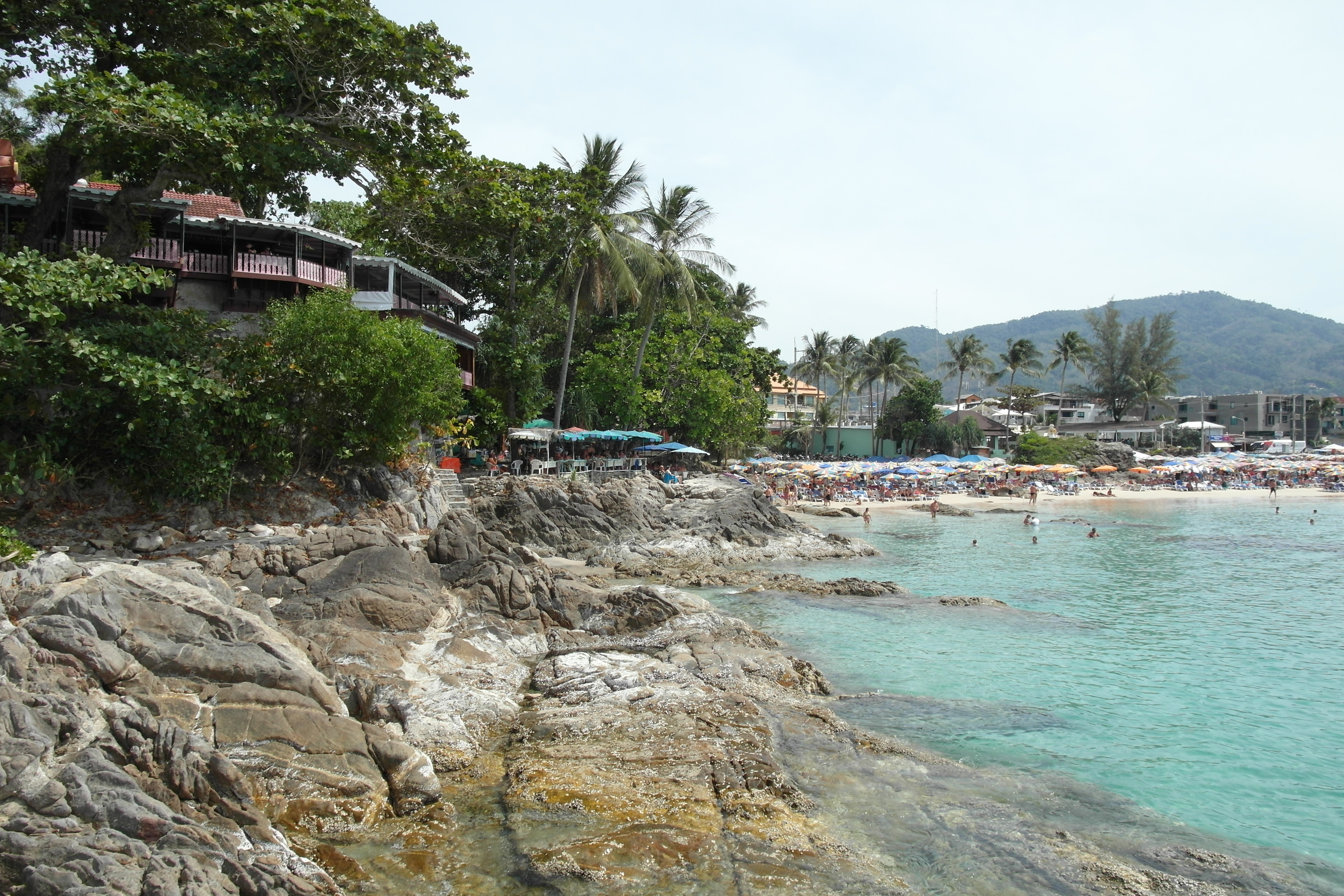
📍 Phuket
6 DestinationsPhuket is Thailand's largest island and the busy, beautiful anchor of the Andaman coast, joined to the mainland by a bridge so you can drive straight in from the airport in the north. The west coast is one long string of beaches, from the neon buzz of Patong to the calmer family sands of Kata, Karon, Kamala, and Surin, and the upscale villa enclaves of Bang Tao. Away from the sea, an atmospheric old town of pastel Sino-Portuguese shophouses recalls the tin-mining fortunes that built the island. Phuket is also the launch pad for the region's headline day trips, with Phi Phi, Phang Nga Bay, and the Similans all within reach of its piers. Crucially for Gulf visitors, Phuket has long-established Muslim fishing communities, so halal food and prayer facilities are easy to find. Whether you want nightlife, a honeymoon pool villa, or a safe beach for the kids, it is all within a short drive.
Explore →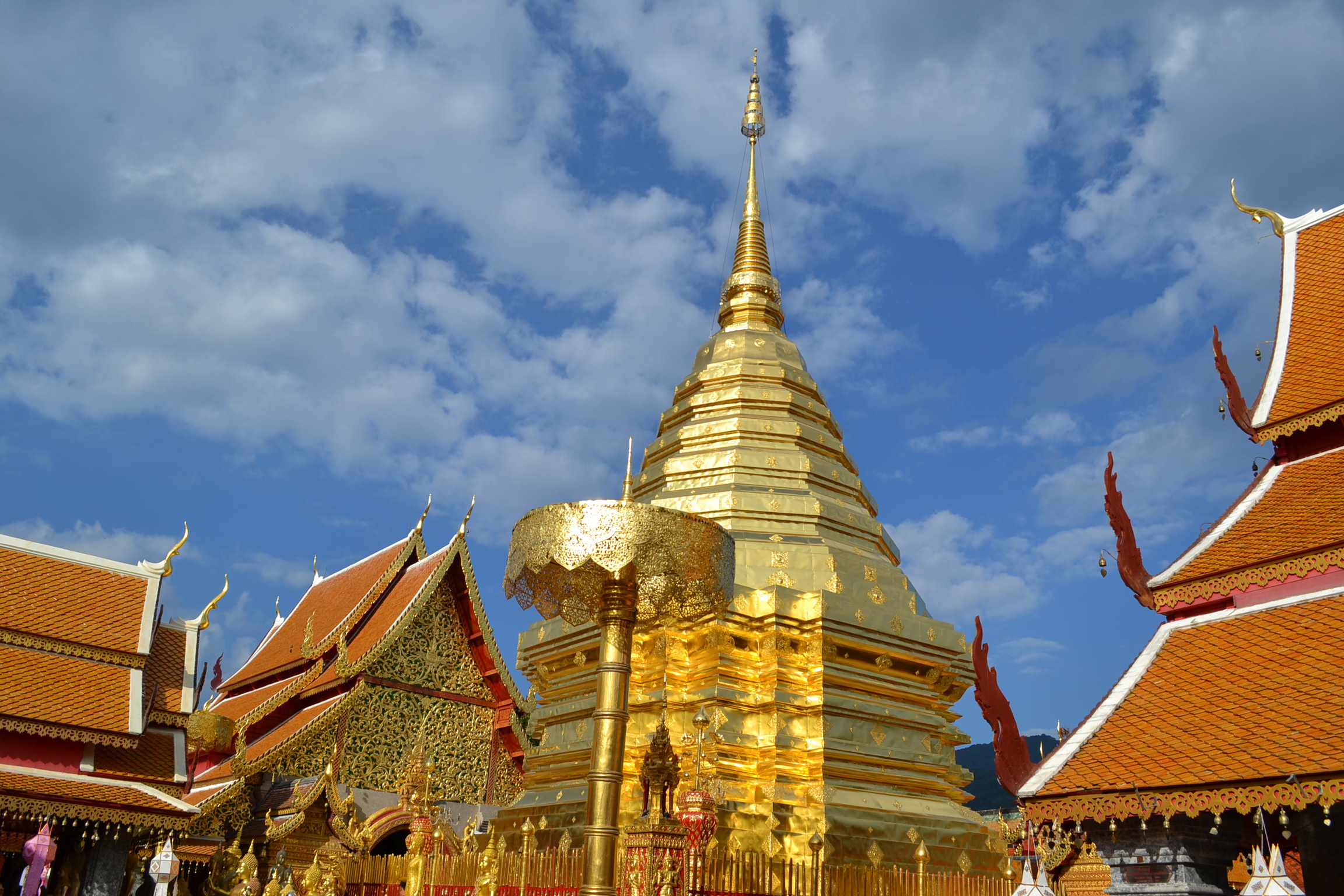
📍 Chiang Mai
6 DestinationsChiang Mai is the cultural capital of the north and a complete change of pace from the beaches and the big city. Founded in 1296 as the seat of the Lanna kingdom, its compact old town still sits inside a square moat and crumbling walls, packed with centuries-old temples you can explore on foot or by bicycle. The mountain setting makes it noticeably cooler than the south, and those green hills hold jungle waterfalls, ethical elephant sanctuaries, hill-tribe villages, and Thailand's highest peak. It is also a city of makers and lingerers, with a famous handicraft tradition, a thriving cafe and wellness scene around the Nimman district, and some of the country's best night markets. One caveat worth planning around: from roughly late February into April, farmers burn fields and a smoky haze can settle over the valley, so the cool, clear months of November to February are the sweet spot.
Explore →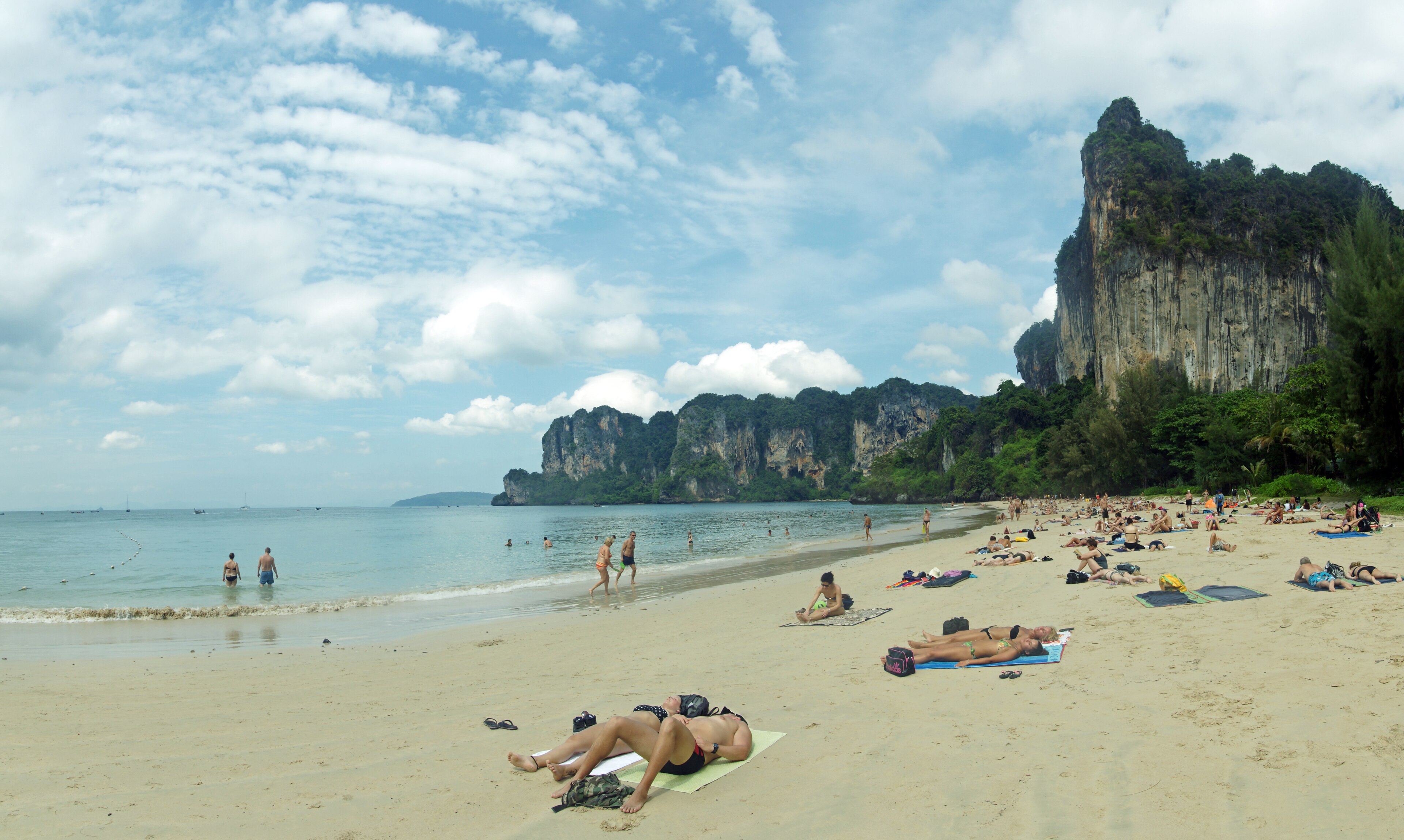
📍 Krabi
6 DestinationsIf Phuket is the Andaman coast at its busiest, Krabi is the same coastline at its most dramatic and laid-back. This is a province of sheer limestone cliffs rising straight from the sea, hidden lagoons, jungle-backed beaches, and more than a hundred islands scattered offshore, with the beach town of Ao Nang as the main hub and the cliff-bound Railay peninsula as its poster child. Quieter and more nature-focused than its famous neighbour, Krabi draws beach lovers, kayakers, and rock climbers (Railay is one of the world's great climbing spots), as well as families after calm turquoise water and postcard scenery. Inland you can swim in emerald jungle springs and climb to hilltop temples. Krabi has its own airport and is easy to combine with Phi Phi or Phuket, and as part of Thailand's Muslim-majority south it is one of the most comfortable regions for Gulf travellers, with halal food genuinely everywhere.
Explore →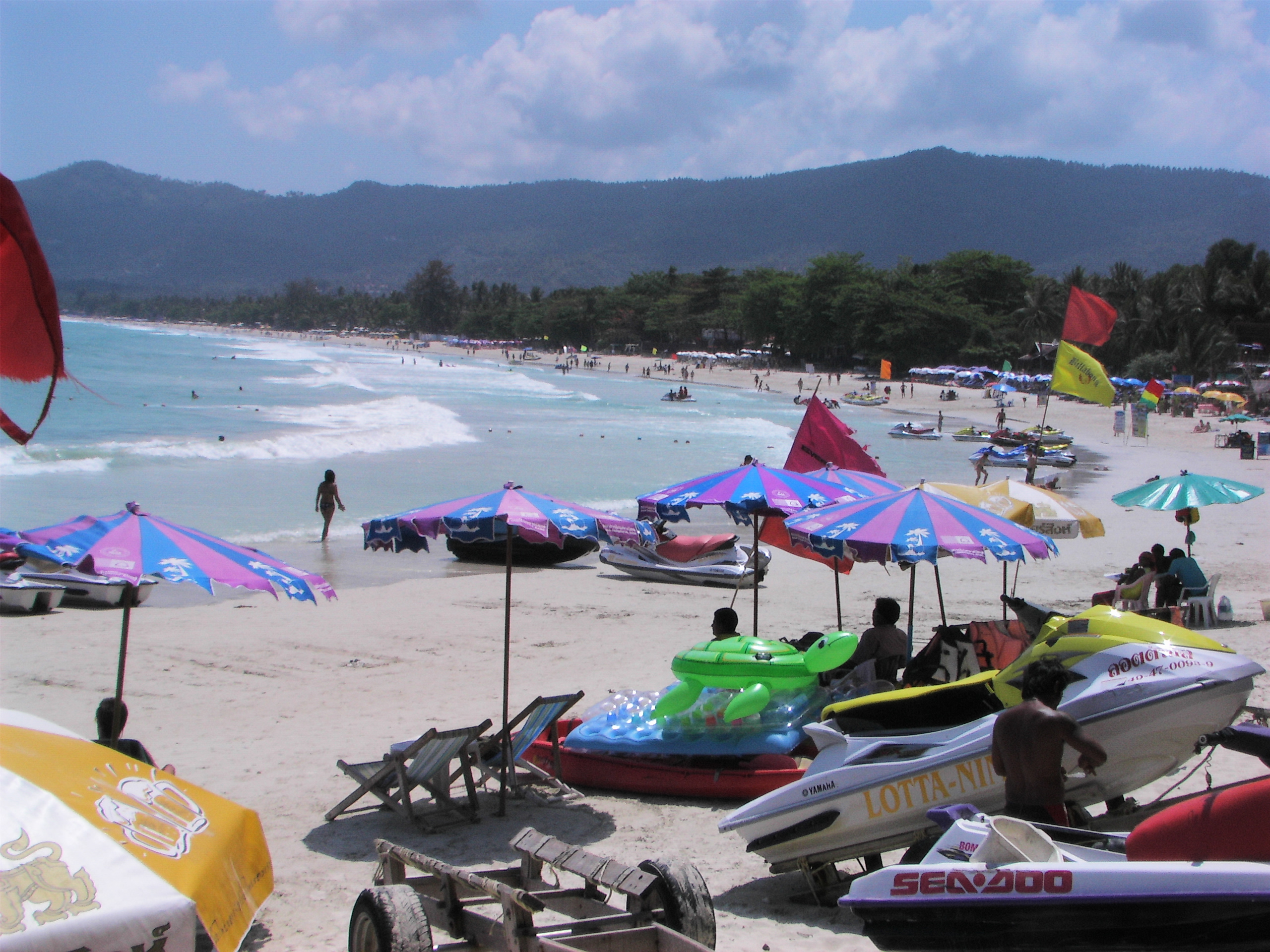
📍 Koh Samui
6 DestinationsThailand's second-largest island sits in the Gulf of Thailand and dances to a different weather beat than the Andaman coast, which makes it a rare mid-year tropical escape when Phuket and Krabi turn wet. Ringed by palm-backed beaches and a coconut-planted interior, Samui blends easygoing island life with polished resorts, an emerald marine park just offshore, and enough dining and nightlife to suit every kind of traveller. Families settle into the calm, shallow bays of Chaweng and Lamai, while couples find boutique boltholes in old Bophut and private-pool villas on the quieter coasts. Between beach days there are jungle waterfalls, a golden hilltop Buddha, and boat trips out to the hidden lagoons of Ang Thong. It is compact enough to circle by car in a single day, yet varied enough to fill a relaxed week.
Explore →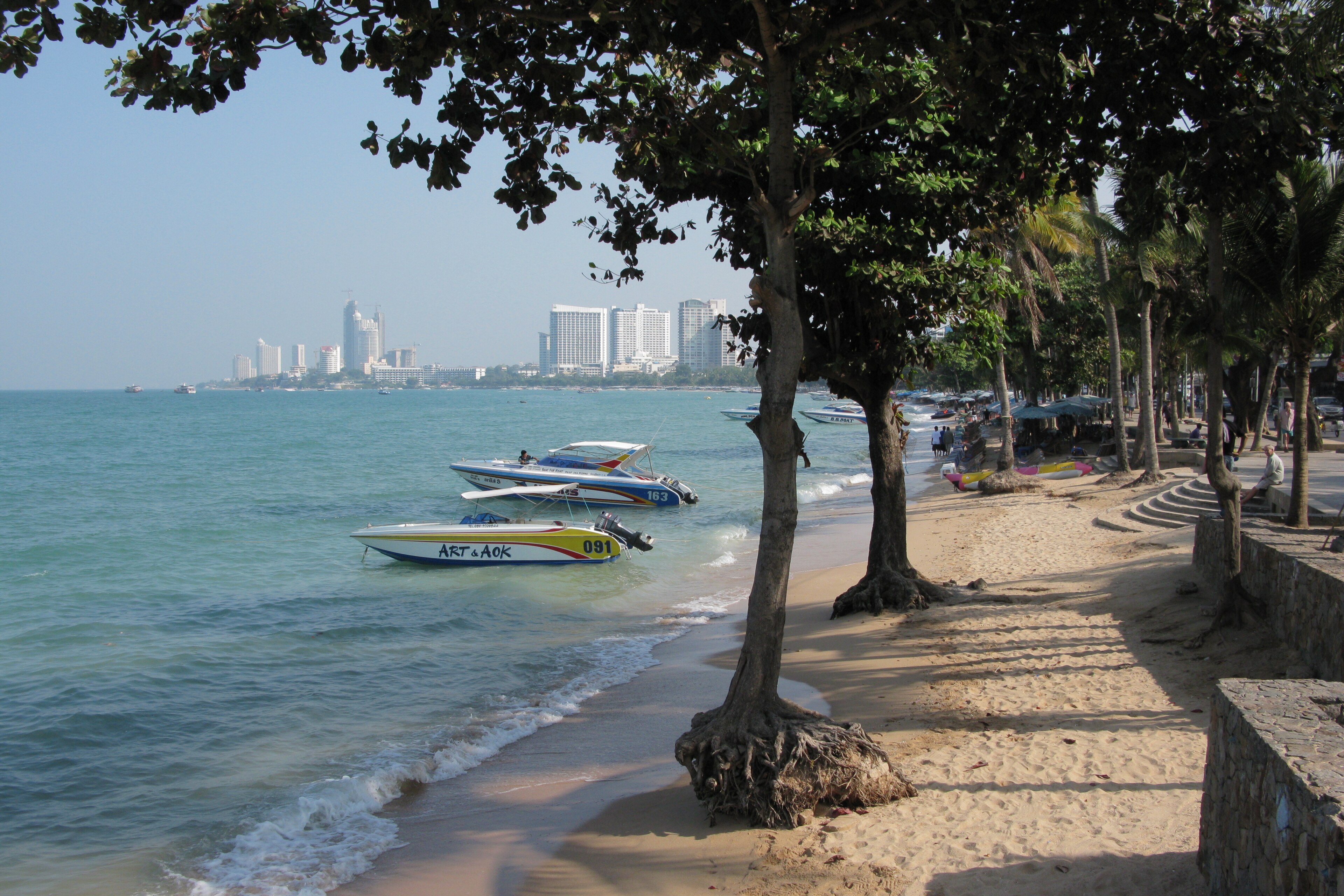
📍 Pattaya
6 DestinationsPattaya is Thailand's most accessible beach city, an easy ninety-minute to two-hour drive south-east of Bangkok on the Gulf coast, which makes it a favourite for short breaks and family weekends. Once known mainly for its nightlife, the city has broadened enormously and now wraps its curving main beach in a huge range of daytime attractions: waterparks, tropical gardens, cultural shows, museums and one of Thailand's most extraordinary works of wooden architecture. Just offshore lie clear-water islands reached in minutes by ferry, while quieter Jomtien and the headland beaches give families a calmer base away from the busy centre. Modern malls, international hotels and a wide choice of halal and international dining make it easy and comfortable for Gulf travellers. It works equally well as a two- or three-day add-on to Bangkok or as a relaxed beach base in its own right.
Explore →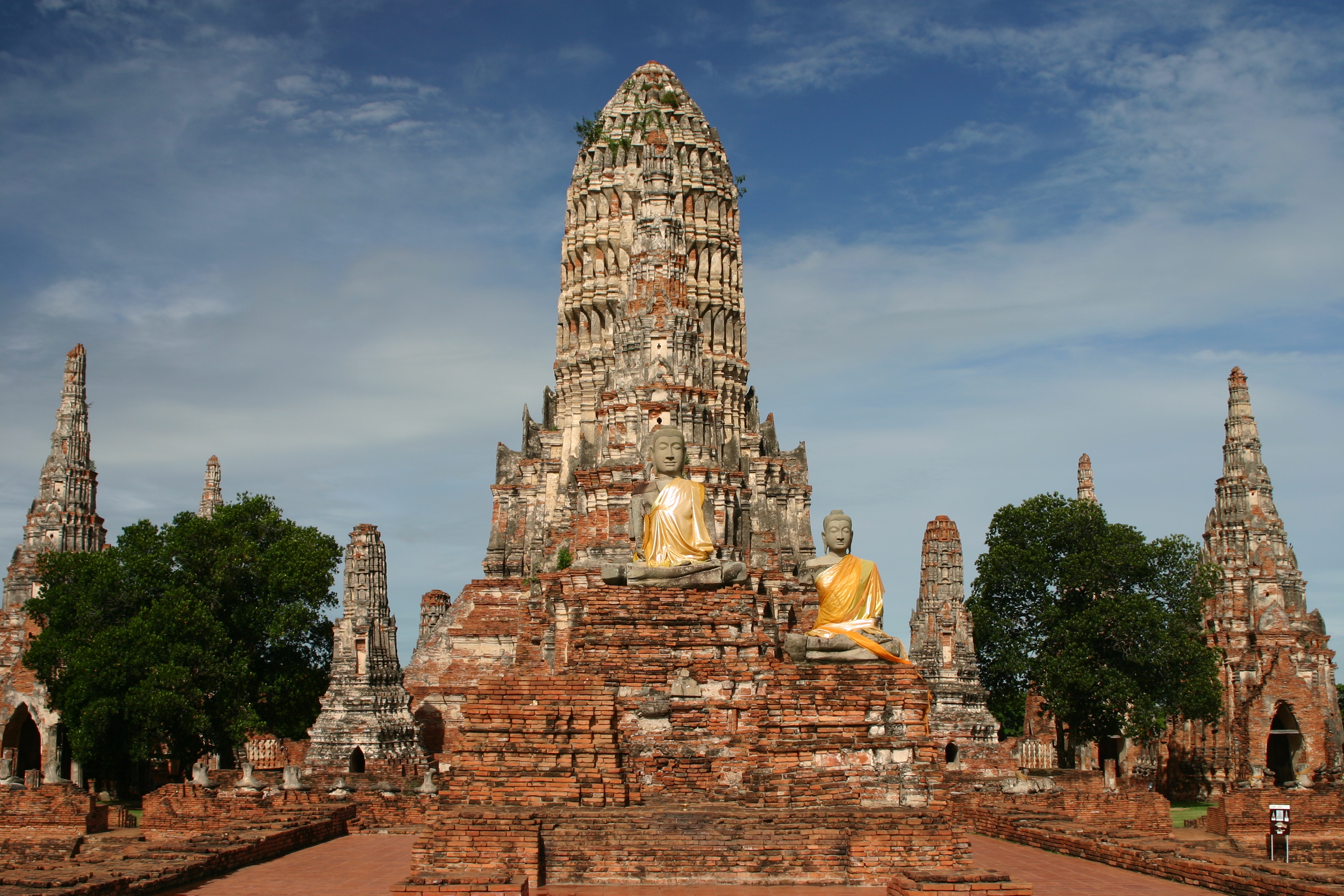
📍 Ayutthaya
6 DestinationsAyutthaya was the magnificent capital of the Kingdom of Siam for more than four centuries, from 1350 until its destruction by a Burmese army in 1767, and at its height it was one of the largest and richest cities in the world, a cosmopolitan trading hub visited by merchants from across Asia and Europe. Today its heart is a UNESCO World Heritage historical park, an evocative landscape of brick temple ruins, towering prangs and rows of weathered Buddha images spread across an island ringed by three rivers. It sits about eighty kilometres north of Bangkok, which makes it one of Thailand's most rewarding day trips or an atmospheric overnight stay. The ruins are best explored slowly, by bicycle, tuk-tuk or boat, ideally in the soft light of early morning or late afternoon. Beyond the temples lie a royal summer palace and gentle river scenery. It is a place to read Thailand's history in stone rather than a beach or shopping destination.
Explore →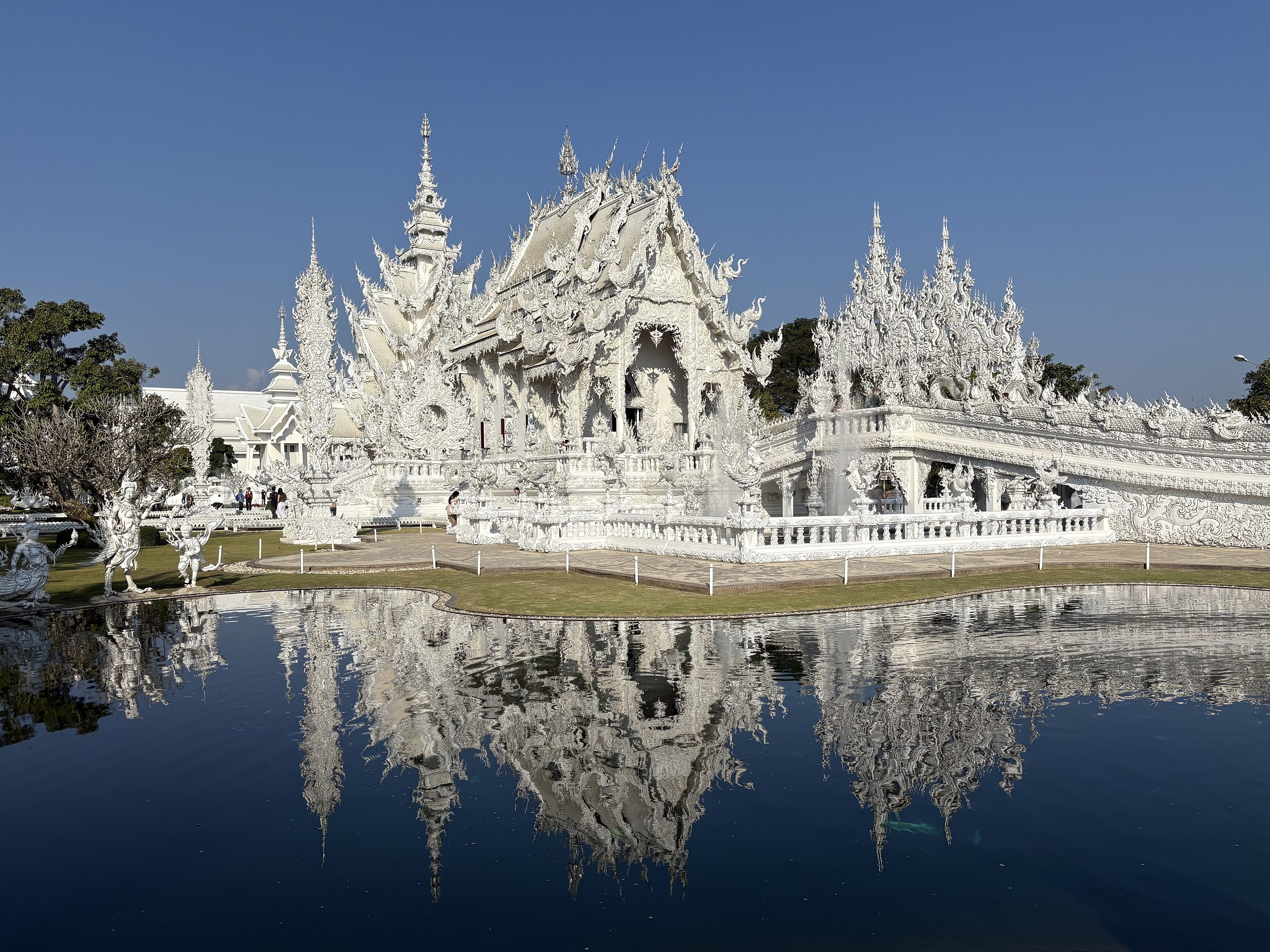
📍 Chiang Rai
6 DestinationsChiang Rai is Thailand's northernmost province and a cooler, quieter, more contemplative counterpart to nearby Chiang Mai, set among misty mountains where Thailand meets Laos and Myanmar. The small riverside city has become one of the country's most surprising art destinations, home to a trio of extraordinary contemporary temples and museums, dazzling white, deep blue and brooding black, created by celebrated local artists. Beyond the city stretch some of Thailand's most scenic highlands: rolling tea plantations, hill-tribe villages, waterfalls and the storied meeting point of three countries known as the Golden Triangle. The mountain climate keeps things fresher than the lowlands, with genuinely cool mornings in winter. It is an easy few hours by road or a short flight north of Chiang Mai, and rewards travellers looking for landscape, culture and creativity rather than beaches. A couple of unhurried days let you pair the headline art sites with a drive into the tea country.
Explore →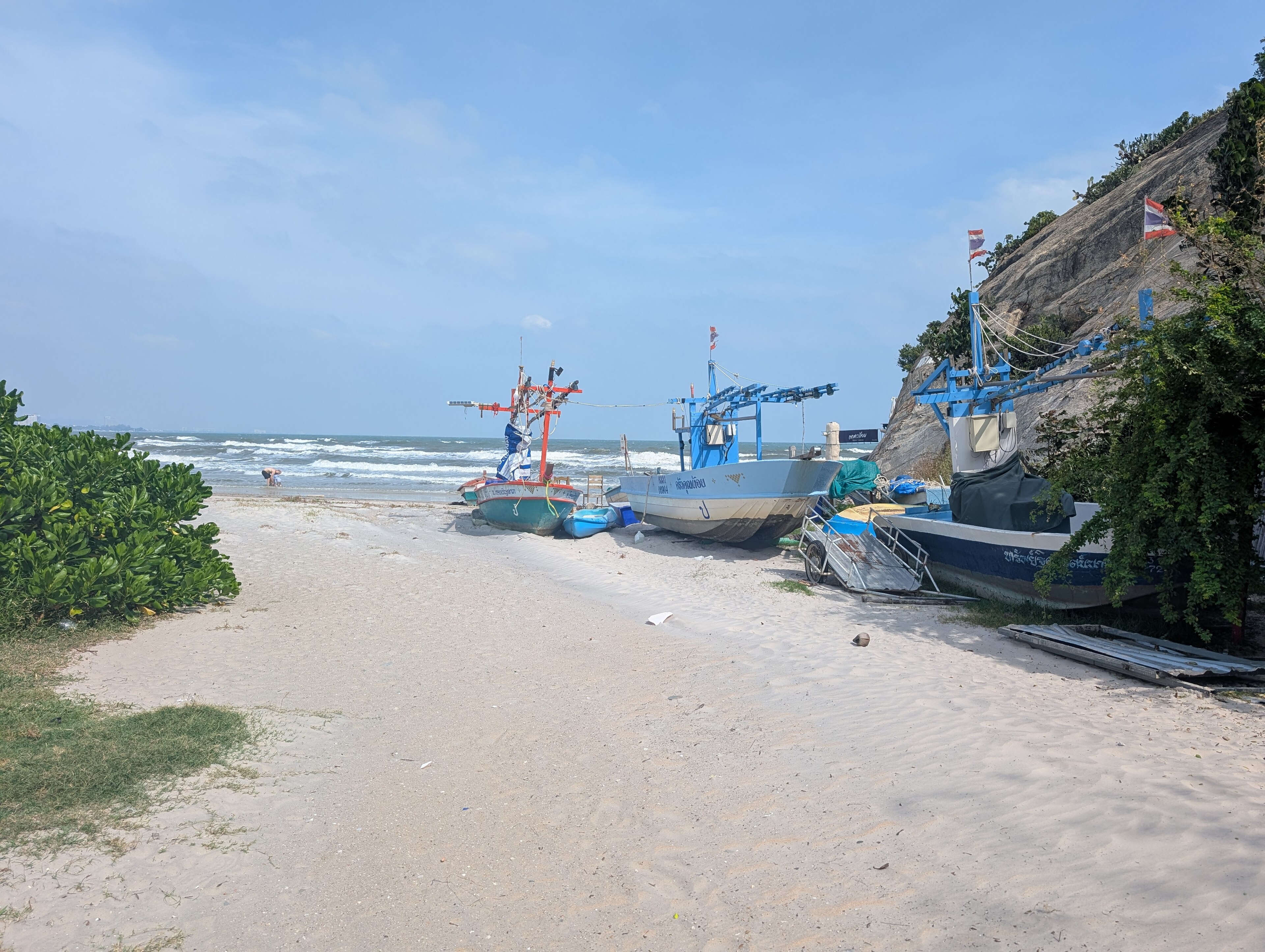
📍 Hua Hin
6 DestinationsHua Hin is Thailand's original beach resort, the place where Bangkok's royalty and elite have escaped the heat since the 1920s. It sits about three hours south of the capital on the Gulf of Thailand, in Prachuap Khiri Khan province, and still carries a genteel, unhurried air that sets it apart from the party-driven coasts. The royal summer palace here is even named Klai Kangwon, meaning 'Far from Worries', which tells you everything about the mood. You get a long, walkable beach, a beautifully preserved railway station, weekend art markets, and easy day trips to limestone national parks. It suits families, couples and golfers far more than backpackers. Seafood is superb and the pace is calm.
Explore →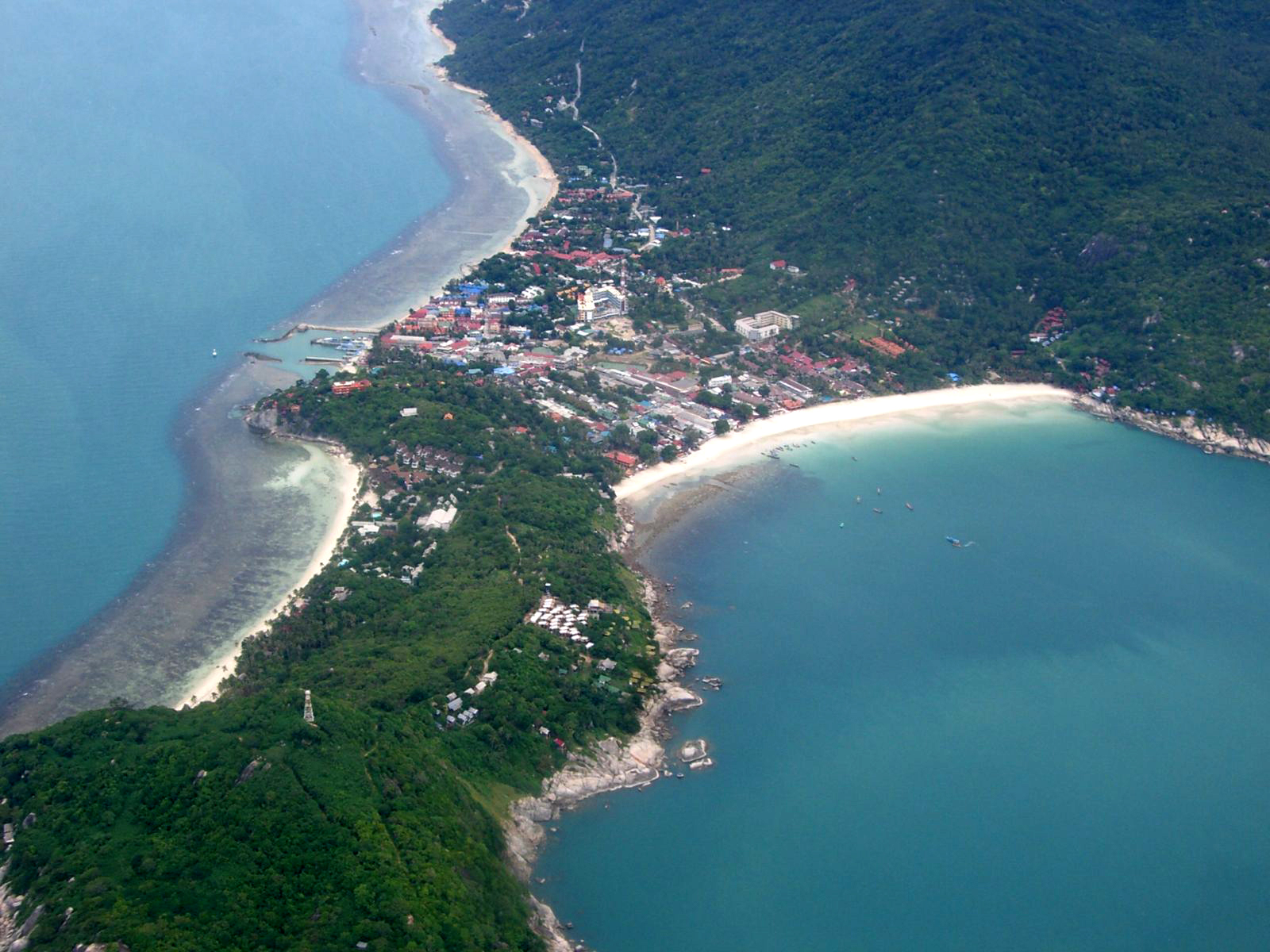
📍 Koh Phangan
6 DestinationsKoh Phangan has a split personality, and that is exactly its appeal. To most of the world it is the home of the Full Moon Party, the monthly beach event at Haad Rin that draws tens of thousands. Step away from that one southern corner, though, and you find one of the Gulf of Thailand's most beautiful and least developed islands: jungle-covered hills, waterfalls with royal history, hidden northern coves reached only by boat, and a growing wellness scene of yoga retreats on the west coast. It sits between busy Koh Samui and tiny Koh Tao, reached by ferry from Surat Thani or its island neighbours. Rent a scooter with care, as the roads are steep and rough in places. There is room here for families, couples and solo travellers, not just partygoers.
Explore →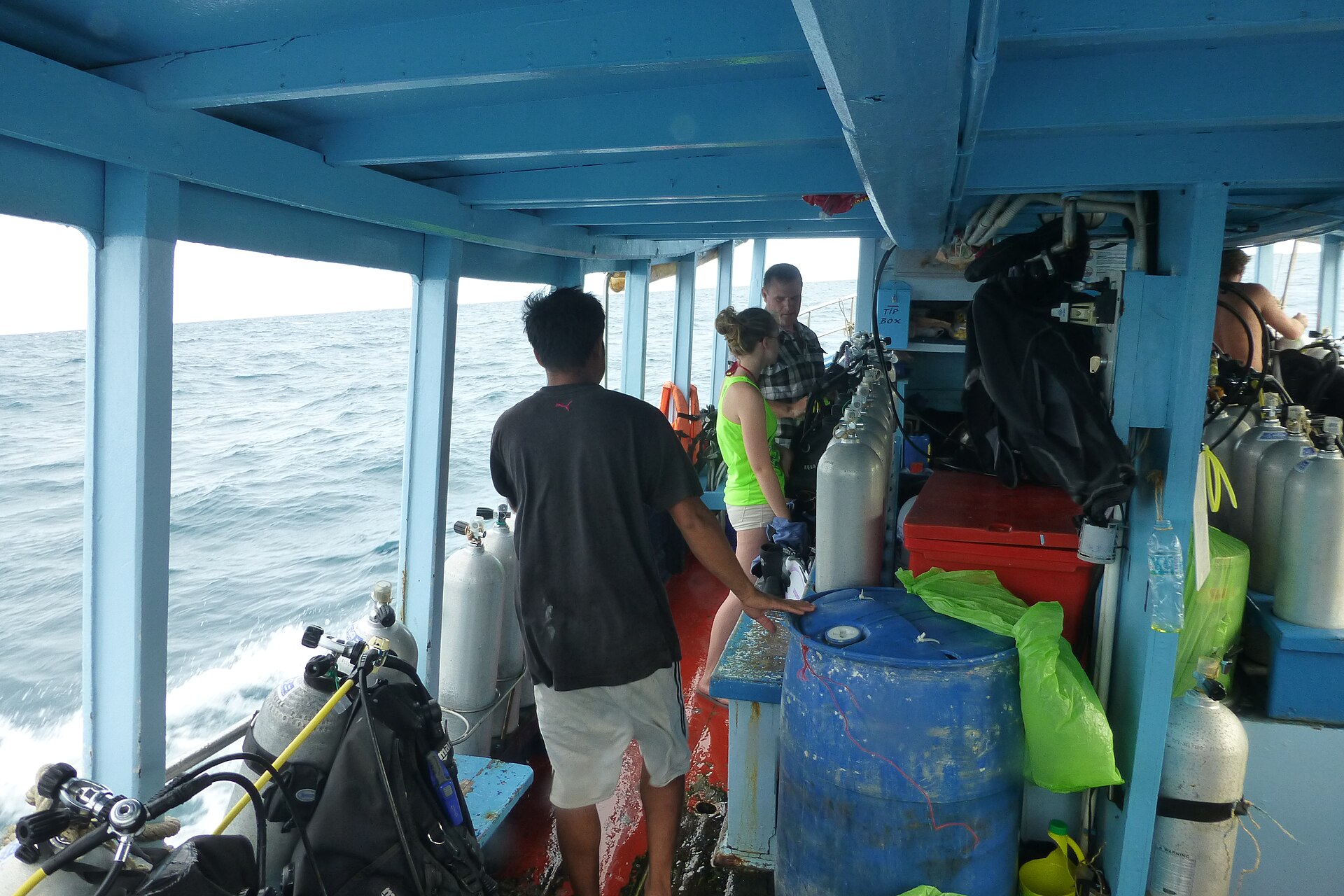
📍 Koh Tao
6 DestinationsKoh Tao, or 'Turtle Island', is small, steep and green, and it has built a global reputation on one thing above all: scuba diving. It is one of the cheapest and most popular places on earth to earn a PADI certification, and in any given week its dive schools turn thousands of first-timers into open-water divers. But you do not need a tank to enjoy it. The snorkelling is superb, the granite viewpoints are spectacular, and the beaches range from the buzzy main strip of Sairee to hidden southern coves. It is the northernmost of the three main Gulf islands, reached by ferry from Koh Phangan, Koh Samui or Chumphon on the mainland. The island is tiny enough to feel intimate, with a friendly, dive-obsessed traveller crowd. Roads are rough, so many people get around by boat or on foot.
Explore →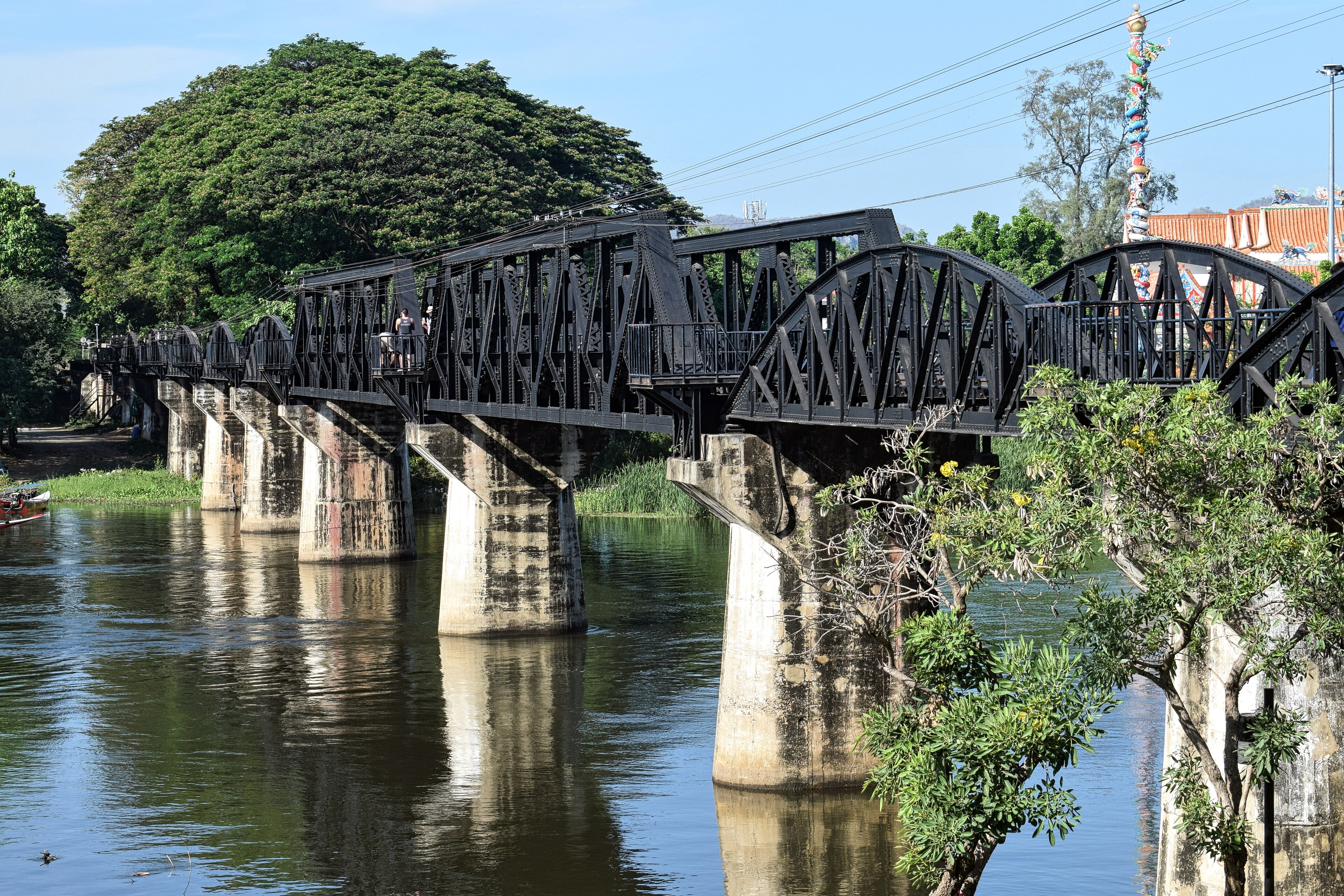
📍 Kanchanaburi
6 DestinationsKanchanaburi is where Thailand's natural beauty and its most sombre history meet. Two hours west of Bangkok, near the Myanmar border, the town sits on the River Kwai and is known worldwide for the Death Railway, the Thailand-Burma line built during the Second World War by Allied prisoners of war and conscripted Asian labourers under horrific conditions. Tens of thousands died, and the bridge, cuttings, cemeteries and museums here are places of remembrance that deserve to be visited with respect. Yet the same province is also gloriously green, home to the seven-tiered Erawan waterfall, jungle national parks, caves, and floating raft-house stays moored on the river. It makes for a powerful trip: mornings among memorials, afternoons swimming in emerald pools. Many travellers come as a long day trip from Bangkok, but staying a night or two does the area justice.
Explore →❓FAQ
When is the best time to visit Thailand?
The best overall window is November to March, when the whole country is coolest, driest, and sunniest. Because Thailand has two coasts with opposite rain patterns, though, you can find good beach weather almost year-round by choosing the right region: the Andaman coast (Phuket, Krabi) shines from November to April, while the Gulf coast (Koh Samui) is best from roughly January to September.
Andaman or Gulf coast, and which islands when?
Pick your coast by season. The Andaman side, including Phuket, Krabi, and the Phi Phi Islands, is at its best from November to April and wettest around May to October. The Gulf side, including Koh Samui, Koh Phangan, and Koh Tao, runs on the opposite clock, with its own rainy season from October to December (November wettest) and reliably good weather from January to September, so it is the smart choice for a mid-year trip. You travel between islands by ferry, speedboat, or short domestic flights, all of which Seen Travels can arrange for you.
How many days do I need in Thailand?
A week to ten days is a comfortable first trip, typically three to four nights in Bangkok combined with four or more nights at one beach destination. Two weeks lets you pair the capital with both a northern stay in Chiang Mai and an island escape, or combine two different coasts without rushing.
Is Thailand good for families and honeymooners?
Very much both. Families love the safe swimming beaches, water parks, ethical elephant sanctuaries, and spacious villa and family-room resorts, while honeymooners are spoiled with private pool villas, sunset dinners on the sand, spa retreats, and secluded island hideaways. Many resorts are experienced with Arab guests and can tailor arrangements for either kind of trip.
Is halal food available in Thailand?
Yes, halal food is widely available, particularly in Bangkok, Phuket, and across the Muslim-majority southern provinces, where you will find halal restaurants, hotel menus, and street food. Many hotels can arrange halal dining on request, and Seen Travels can recommend suitable restaurants and family-friendly resorts.
Do I need a visa, and what is the arrival card?
It depends on your nationality, and the rules changed in 2026, so always confirm before booking. Many travelers, including most Gulf nationals, enter under a visa exemption or the e-Visa system. In addition, every visitor must now complete the free online Thailand Digital Arrival Card (TDAC) before arrival, which replaced the old paper form. Check the official Thai e-Visa and immigration websites for the latest details, or let Seen Travels verify your requirements.
✈️ Plan your trip with Seen